Close Menu
 World
World
 Biography
 Health
 Education
 Business
 Lifestyle
 Sports
 Technology
 Animals
 History
 Food
Food
 Religious
 Startups
 Movies
 Politics
 Fashion
 Covid
Covid
 Diet
Diet
 Fitness
 Marketing
 Travel
 Science
 Reviews
 Social media
 Stories
 Facts
Facts
 Art
Art
 Entertainment
Redbank Group

Business
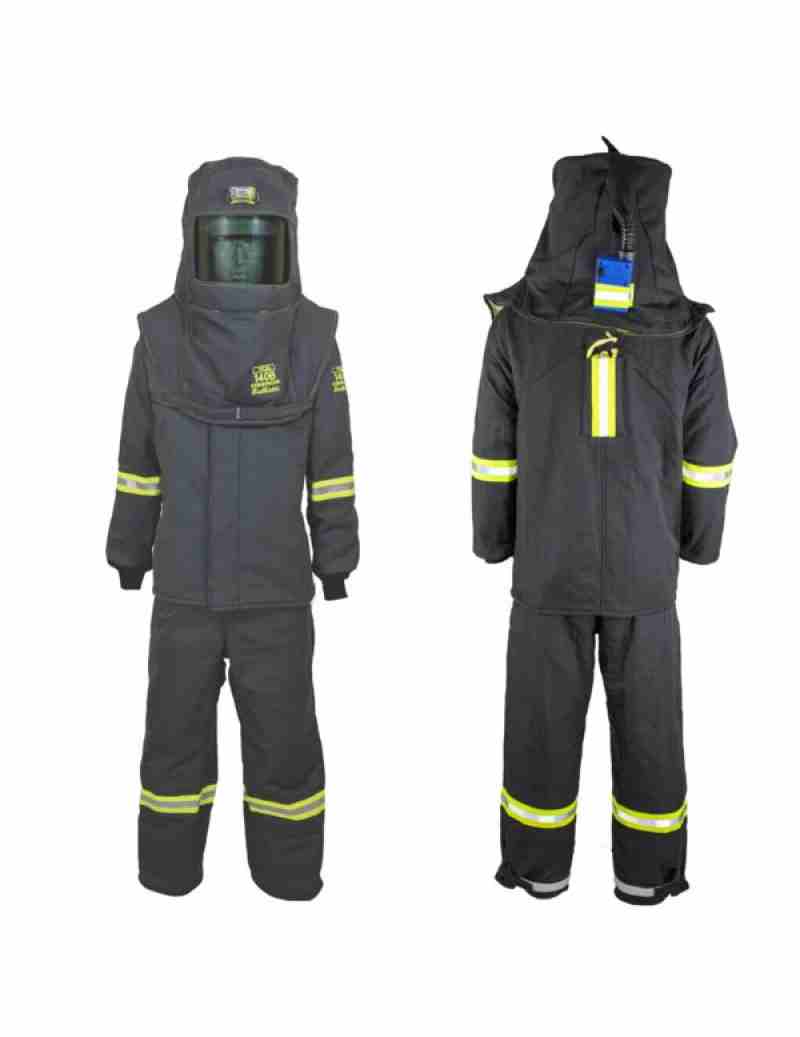
Comfort vs Protection: Balancing Mobility in a 100 Cal Arc Flash Suit and 140 Cal Arc Flash Suit
 Redbank Group
Learn the key differences between 100 CAL and 140 CAL arc flash suits and how they impact worker mobility, comfort, and protection. This article explains protection levels, mobility challenges, and important factors such as material design, ventilation, and weight distribution to help workers choose the right electrical safety gear for high-risk environments.
Electrical safety equipment is designed to protect workers from severe hazards, but mobility and comfort are something that it lacks. If you are a worker who works continuously in a high-risk electrical environment, then you must rely on specialized personal protective equipment, such as a 100 CAL Arc Flash Suit and a 140 CAL Arc Flash Suit. While both options are strong enough to protect the workers from any kind of flash incident, they differ in multiple aspects. Every suit has its pros and cons and is designed according to the work the worker is doing. Choosing the right gear for your specific job conditions will definitely help you to safeguard yourself from any kind of risk.
Understanding the Protection Level Arc Flash Suits
Arc flash suits are rated based on their ability to withstand thermal energy exposure during any kind of electrical hazard. A 100 CAL arc flash suit is designed to protect workers in environments where potential energy incidents are extremely high. This suit will protect the workers against strong heat and flames, ultimately resulting in the reduction of risk of serious burns during electrical maintenance or repair work.
140 CAL suit is an advanced suit that offers protection at a higher level. This suit is typically used in environments where electrical systems are extremely high and produce life-threatening energy. In this suit, you can find added layers and protective materials that will make the suit heavier, but allow you to safeguard from any kind of unfortunate event.
Mobility Challenges in High-Rated Productive Gear
One of the biggest concerns while wearing a high-calorie-rated protective suit is mobility. As the protection level increases, the suits become more bulky, and mobility will be reduced significantly. The workers who are working with 140 CAL suits will experience difficulty in flexibility, especially when they are performing tasks, like bending or climbing. This suit will help you to keep safe from high-level electrical hazards without compromising your mobility.
On the other hand, a 100 CAL suit is generally more mobile, allowing it to move easily without any struggle. It is slightly lighter than a 140 CAL suit and allows the technicians to move freely while maintaining a higher level of safety.
Factors that Affect Comfort in Arc Flash Suits
Comfort is another important factor that affects work efficiency. If the productive gear is too heavy or restrictive, the workers will get fatigued more quickly, and the efficiency will be reduced in performing the specific task. There are multiple factors that influence how comfortable arc flash suits feel during extended use.
- Material design: Advanced flame-resistant fabric will produce the same weight while keeping the same level of production.
- Ventilation system: Multiple suits include airflow features that significantly reduce heat and humidity buildup inside the suit.
- Ergonomic constructions: Flexible joints and improved stretching will make movement better.
- Weight distribution: A balanced design will definitely help the workers to reduce strain on their shoulders and back.
The designs will definitely improve the efficiency of the work.
Balancing protection and mobility is essential before choosing an arc flash suit. Both 100 and 140 arc flash suits are designed to safeguard the worker against critical situations where they are exposed to electrical hazards.
For more information, you can visit https://redbank.net.au/
Source:
Click for the: Full Story
You might like