Close Menu
 World
World
 Biography
 Health
 Education
 Business
 Lifestyle
 Sports
 Technology
 Animals
 History
 Food
Food
 Religious
 Startups
 Movies
 Politics
 Fashion
 Covid
Covid
 Diet
Diet
 Fitness
 Marketing
 Travel
 Science
 Reviews
 Social media
 Stories
 Facts
Facts
 Art
Art
 Entertainment
Roof side pro

Business
Common Mistakes During DIY Roof Repair Projects
 Roof side pro
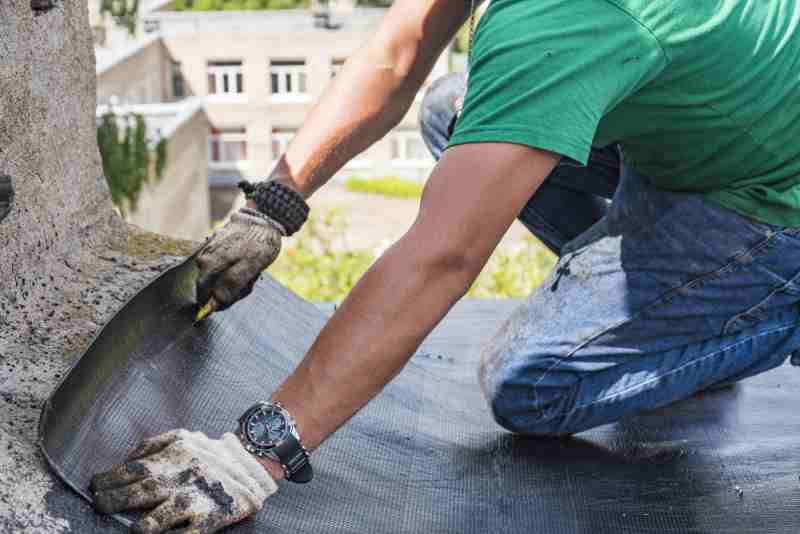
A leaking ceiling or a missing shingle can frequently lead to a sudden burst of determination. Homeowners look at their houses and decide to fix them themselves to save money. Taking care of your property is a satisfying experience and gives you a wonderful feeling of self-pride. But working on the exterior of a house needs a lot of accuracy because small mistakes can cause big difficulties later. A bit of oversight now can lead to a big tragedy during the next significant rain event. Your home stays dry and secure when you understand the hidden dangers of amateur structural construction. Real success is identifying what ordinarily fails before you ascend the ladder.
Amateur Mistakes Destabilize Your Home Exterior Security
It’s a common myth that a surface problem is simple to repair. They get their supplies from a local shop and begin work without any investigation of the deep structural levels underneath the surface. A big mistake is not checking the wood decking under the felt. When you drive new material into rotten timber, the whole structure loses its holding ability. The nails will pull loose in heavy wind, resulting in total system failure.
Another common mistake is simply laying new shingles right over the old, worn shingles. Homeowners use this to save time and to prevent the messy cleanup. This double layer traps heat and moisture and speeds up decomposition. It also adds tremendous weight to the structural frame of your home. This extra pressure puts stress on the beams and creates sagging ceilings over time.
Skipping the preparation stage undermines the ultimate outcome. Before you can lay down new materials, you have to clear away all the trash, old nails, and dust. The wood must be clean for the adhesive to adhere effectively. If you don't do this critical cleanup, your seals will fail in a few months.
Improper Fastener Placement Destroys System Longevity
Nails hold the whole protective barrier together against the raging winds. If you drive a fastener at the wrong angle, the head will not seal flush to the surface. High nails protrude and pierce the overlying substance above. This develops small places of entry for water, which you cannot immediately see from the ground.
Using the wrong sort of fastener can spell disaster in a hurry. Standard nails will rust quickly if exposed to strong downpours and the morning dew. You need the specialist galvanized nails that withstand corrosion for decades. If you choose the inexpensive alternatives, your heads will rust away and your shingles will come entirely free.
Each nail must be placed exactly as the manufacturer's instructions dictate. If the fasteners are too high on the material, they will miss the reinforcing zone below. The next time there is a severe wind, your house will fall apart. Patience is required for spacing and alignment, which novices sometimes lack.
Neglecting Vital Ventilation Traps Destructive Moisture
The house needs to breathe to keep structure healthy across changing seasons. Many homeowners may cover up existing soffit vents and repair the margins. These tubes are blocked; the natural movement of air through the attic space is interrupted. This mistake causes the materials to heat up excessively during scorching summer days.
Trapped heat can deform the wood decking, ruining the adhesive characteristics of your materials. In winter, the warm air from your living space rises into a cold attic and condenses into water droplets. It is always wet, making it an excellent place for mold to thrive. It gradually deteriorates the support beams, leaving no visible signs.
Getting the appropriate balance of intake and exhaust takes some careful consideration. The amateurs will just throw vents in willy-nilly, not knowing how the air travels in the building. This produces dead spaces where stagnant air rots the framework. A balanced system will maintain your living environment healthily and give your materials a longer life.
Flashing Errors Guarantee Future Interior Water Damage
Water wants to get down, and it seeks every little minuscule crack. Metal valleys and borders, called flashing, guide this water away from walls and chimneys. If you place these metal pieces in the wrong sequence, the water flows under the barrier rather than over. This mistake sends rain straight into your drywall.
Caulking is always a helpful tool for sealing joints. This type of repair is temporary and prone to leaking. Caulking splits and shrinks when exposed to hot sun and freezing conditions. Actual water protection is provided by overlapping metal geometry, not chemical sealants. When the sealant dries out, the barrier disappears completely.
After a weekend project, if you see moist spots near your chimney, inverted flashing is a common problem. Fixing it means ripping up hours of arduous labor. By carefully considering how the corners overlap, these annoying setbacks are avoided. For those living around New England, seeking professional roof repair in Raynham ensures these critical metal details are handled flawlessly before the next storm hits.
Conclusion: Choosing Experienced Specialists Ensures Ultimate Property Protection
Major home exterior modifications require some specialized knowledge and physical energy. It may seem cost-effective to attempt to patch things up yourself, but the structural hazards frequently outweigh the initial savings. Small misalignment or ventilation problems led to pricey secondary repairs in your living space. Professional execution is an investment in protecting the value of your asset and keeping your family safe. Roof Side Pro’s experienced team offers a full range of exterior maintenance services to safeguard your home from extreme weather conditions. Their professional crew has years of hands-on experience to produce enduring effects using high-quality materials and exacting installation methods. Choosing them means you can trust their craftsmen, dedicated to their trade, to complete the job perfectly the first time.
Source:
Click for the: Full Story
You might like