Close Menu
 World
World
 Biography
 Health
 Education
 Business
 Lifestyle
 Sports
 Technology
 Animals
 History
 Food
Food
 Religious
 Startups
 Movies
 Politics
 Fashion
 Covid
Covid
 Diet
Diet
 Fitness
 Marketing
 Travel
 Science
 Reviews
 Social media
 Stories
 Facts
Facts
 Art
Art
 Entertainment
Tyler Cox

Business
Discover How the Rubik’s Cube Unlocks Brain Power, Creativity, and Critical Thinking Skills
 Tyler Cox
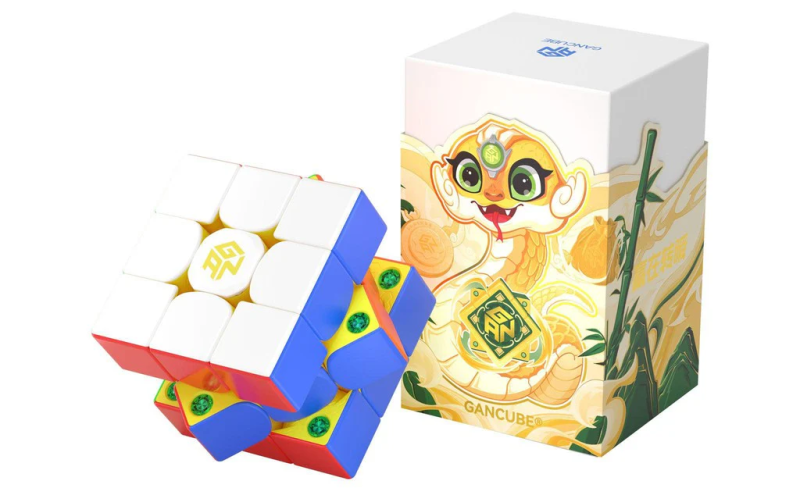
The Rubik's Cube is not just a colorful puzzle; it is a powerful tool for developing the mind. Despite its simple design, this iconic cube offers complex problem-solving opportunities that have fascinated generations. Since its creation, it has evolved into a global symbol of intelligence, focus, and perseverance.
A Challenge that Sharpens the Brain
Each twist of the Rubik's Cube engages the brain in multiple ways. It activates problem-solving abilities, strengthens spatial reasoning, and encourages critical thinking. Unlike typical games or mobile apps, solving the cube requires memory, pattern recognition, and patience.
Many educators now recommend the Rubik's Cube for children and students to help improve cognitive functions. The process of solving it step by step teaches logical reasoning, strategic planning, and how to break complex tasks into smaller parts. These mental exercises prove beneficial in academic performance and real-life decision-making.
The Psychology of Persistence
The cube teaches an important life lesson: failure is part of learning. Rarely does someone solve it on their first try. Many spend days or even weeks trying to figure it out. This struggle builds patience and resilience. The ability to stick with a problem until it is solved can shape stronger minds, especially in a time where instant gratification is the norm.
Solving the Rubik's Cube provides a rewarding experience. Every correct move boosts confidence and brings the solver closer to the goal. The sense of achievement upon solving it encourages trying more difficult versions or learning faster solving techniques.
Different Types of Cubes for Different Minds
The original 3x3 version may be the most recognized, but it’s far from the only one. The Rubik's family includes 2x2 (Mini Cube), 4x4 (Rubik's Revenge), and even more complex designs like the 17x17, Mirror Cube, Ghost Cube, and others.
Each type demands a different approach and understanding of algorithms. These puzzles provide new challenges and ensure that enthusiasts are never bored. Even after solving the standard cube, these variants keep interest alive and minds sharp.
Competitive and Social Aspects of Cube Solving
Cubing is now a competitive activity. Speedcubing tournaments are held globally, attracting solvers of all ages. In these events, participants attempt to solve cubes in the shortest possible time, often achieving times under ten seconds. Such competitions have grown due to their supportive communities, where enthusiasts share knowledge, strategies, and innovations.
These social interactions create a sense of belonging and encourage collaboration. Many solvers mentor newcomers, explaining techniques and helping others develop skills. In this way, the Rubik’s Cube fosters a community based on shared learning and improvement.
The Role of the Internet in the Cube’s Popularity
The internet has transformed how people learn to solve the cube. YouTube tutorials, Reddit threads, and step-by-step guides are available for free. Online timers, apps, and simulation tools allow solvers to practice and track their progress. Beginners no longer feel lost—they are guided every step of the way.
Social media has also played a major role in keeping the cube relevant. Viral videos of incredibly fast solvers or unique solving styles attract millions of views. These clips inspire others to start their own cubing journey.
Conclusion
The Rubik's Cube has remained a timeless symbol of intelligence, challenge, and creative thinking. Whether used for educational development, personal improvement, or friendly competition, it has proven to be more than a toy. In every twist and turn, it brings growth, joy, and a sense of accomplishment to anyone who accepts the challenge.
Source:
Click for the: Full Story
You might like