Close Menu
 World
World
 Biography
 Health
 Education
 Business
 Lifestyle
 Sports
 Technology
 Animals
 History
 Food
Food
 Religious
 Startups
 Movies
 Politics
 Fashion
 Covid
Covid
 Diet
Diet
 Fitness
 Marketing
 Travel
 Science
 Reviews
 Social media
 Stories
 Facts
Facts
 Art
Art
 Entertainment
Tyler Cox

Business
Does Skin Resurfacing Treatment Hurt?
 Tyler Cox
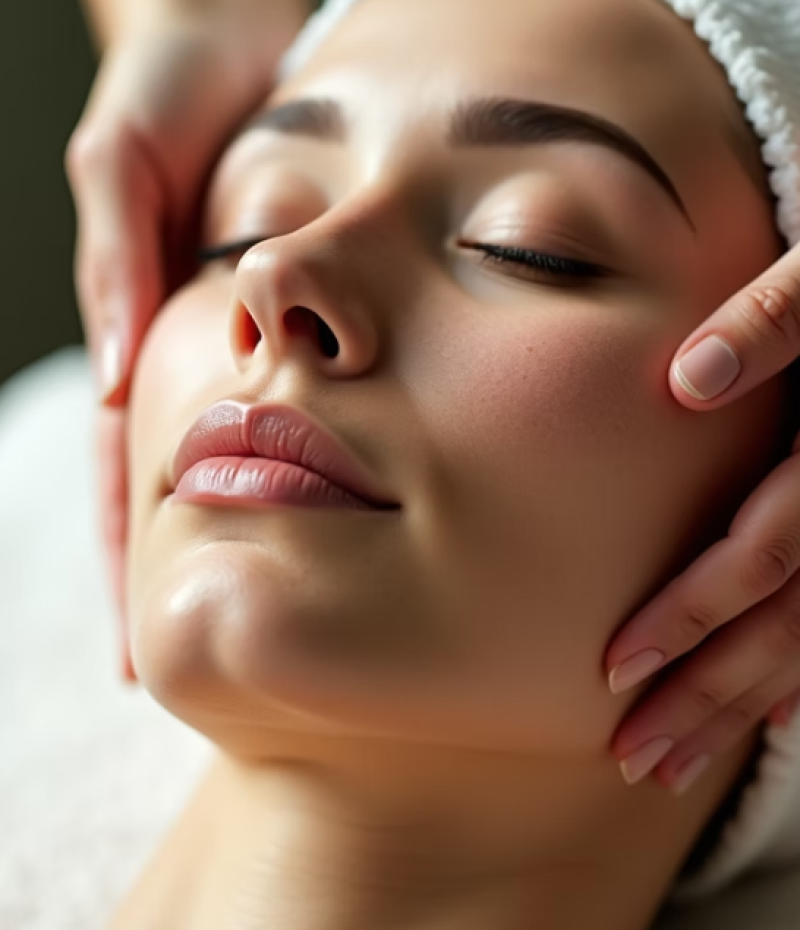
Many people considering a Skin Resurfacing Treatment often ask the same question before booking their appointment: does it hurt? The idea of improving skin texture, reducing scars, and achieving a smoother complexion sounds appealing, but concerns about discomfort can make some individuals hesitant. Fortunately, modern aesthetic technology has made these treatments far more comfortable than many people expect.
At EMerge Beauty & Wellness in Chicago, clients receive personalized care in a relaxing and professional environment. Every treatment plan is customized based on skin type, goals, and comfort level, helping patients feel confident throughout the entire process. Whether someone is addressing acne scars, uneven skin tone, sun damage, or signs of aging, understanding what to expect during a Skin Resurfacing Treatment can ease anxiety and improve the overall experience.
What Is a Skin Resurfacing Treatment?
A Skin Resurfacing Treatment is a cosmetic procedure designed to improve the appearance and texture of the skin. These treatments work by removing damaged outer layers of skin or stimulating collagen production beneath the surface. The result is smoother, brighter, and healthier-looking skin over time.
There are several types of resurfacing procedures available today, including laser resurfacing, chemical peels, microdermabrasion, and radiofrequency-based treatments. Some methods are gentle with little downtime, while others are more intensive for deeper skin concerns. The level of sensation or discomfort depends largely on the type of treatment being performed.
How Much Discomfort Should You Expect?
Most people describe a Skin Resurfacing Treatment as mildly uncomfortable rather than painful. Clients often compare the sensation to a warm tingling feeling, light snapping against the skin, or mild stinging. The intensity varies based on the treatment depth and the sensitivity of the area being treated.
For lighter resurfacing procedures, discomfort is usually minimal and short-lived. Patients may feel warmth or slight irritation during treatment, but it generally remains manageable. More advanced laser treatments can create stronger sensations because they penetrate deeper into the skin to stimulate collagen and correct more significant imperfections.
To help maximize comfort, many providers apply a topical numbing cream before beginning the procedure. Cooling devices, soothing gels, and modern treatment technology also help reduce discomfort during the session.
Factors That Affect Pain Levels
Not everyone experiences a Skin Resurfacing Treatment the same way. Several factors influence how comfortable the procedure feels.
Skin Sensitivity
People with naturally sensitive skin may notice stronger sensations during treatment. Areas around the eyes, nose, and mouth also tend to be more delicate than other facial regions.
Type of Treatment
Gentle resurfacing methods like microdermabrasion or superficial chemical peels usually involve very little discomfort. Fractional laser resurfacing or deeper chemical peels may feel more intense because they target deeper layers of skin.
Treatment Depth
The deeper the treatment penetrates, the stronger the sensation may become. More aggressive resurfacing often provides dramatic results but can involve additional recovery time.
Individual Pain Tolerance
Every person has a different threshold for discomfort. Some clients tolerate treatments easily, while others prefer extra numbing support to stay comfortable.
What Does Recovery Feel Like?
After a Skin Resurfacing Treatment, the skin may feel similar to a mild sunburn for several hours or days depending on the procedure. Redness, tightness, dryness, and slight swelling are common temporary effects during healing.
For lighter treatments, recovery is typically fast and comfortable. Patients may return to normal activities within a day or two. More advanced resurfacing procedures can involve peeling, flaking, or sensitivity for up to one or two weeks.
Following aftercare instructions carefully is essential for both comfort and results. Keeping the skin moisturized, avoiding direct sun exposure, and using gentle skincare products can help support the healing process.
Tips to Make the Treatment More Comfortable
There are several ways clients can improve comfort before and after a Skin Resurfacing Treatment.
Stay Hydrated
Well-hydrated skin often responds better to treatment and heals more efficiently afterward.
Avoid Harsh Products
Retinoids, exfoliants, and strong acids should typically be avoided before treatment unless instructed otherwise by a provider.
Follow Pre-Treatment Instructions
Your provider may recommend avoiding sun exposure or certain medications before the procedure to minimize irritation.
Use Recommended Aftercare Products
Post-treatment skincare products help soothe the skin and reduce discomfort during recovery.
Why Professional Care Matters
Choosing an experienced medical spa plays a major role in ensuring both safety and comfort during a Skin Resurfacing Treatment. Skilled professionals understand how to tailor settings, techniques, and aftercare recommendations to each client’s skin type and goals.
At EMerge Beauty & Wellness, treatments are performed with patient comfort and personalized care in mind. The experienced team focuses on delivering effective results while helping clients feel relaxed and informed throughout the process. By combining advanced technology with a calming environment, the practice creates a supportive experience for individuals seeking healthier, rejuvenated skin.
Conclusion
So, does Skin Resurfacing Treatment hurt? For most people, the discomfort is mild and temporary. Modern resurfacing techniques are designed to be both effective and comfortable, especially when performed by trained professionals. While some treatments may involve temporary redness or sensitivity, the long-term improvements in skin texture, tone, and radiance often make the experience worthwhile.
Source:
Click for the: Full Story
You might like