Close Menu
 World
World
 Biography
 Health
 Education
 Business
 Lifestyle
 Sports
 Technology
 Animals
 History
 Food
Food
 Religious
 Startups
 Movies
 Politics
 Fashion
 Covid
Covid
 Diet
Diet
 Fitness
 Marketing
 Travel
 Science
 Reviews
 Social media
 Stories
 Facts
Facts
 Art
Art
 Entertainment
Merry Gomez

Business
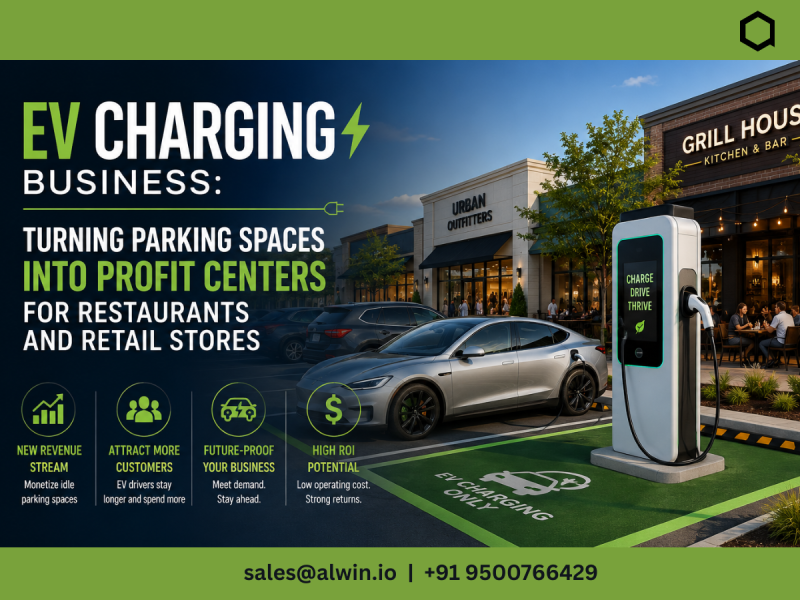
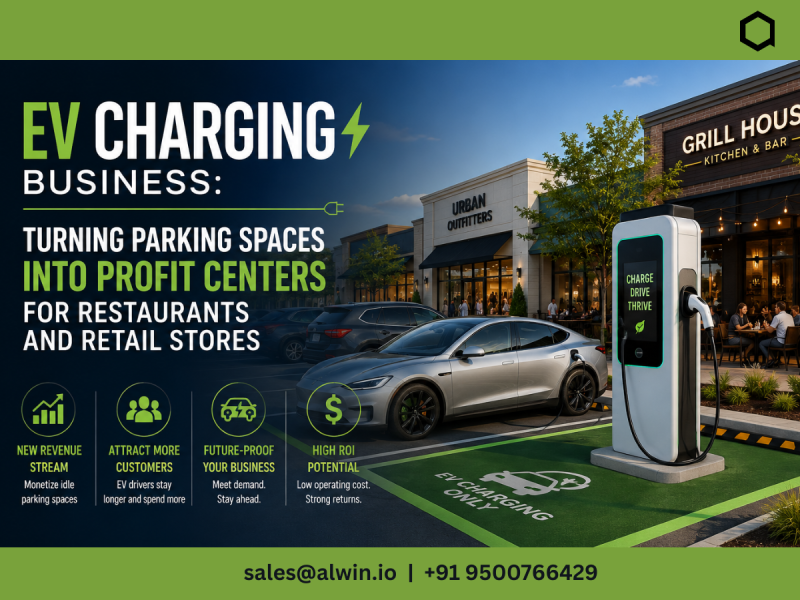
EV Charging Business: Turning Parking Spaces into Profit Centers for Restaurants and Retail Stores
 Merry Gomez
The growth of electric vehicles is no longer a future trend; it is happening right now. As EV adoption increases across cities and highways, businesses like restaurants and retail stores are discovering a new way to earn: EV charging infrastructure. What was once just a parking area is becoming a powerful revenue-generating asset that is changing how customers interact with physical spaces.
This shift is not only about technology. It is about behavior. When people charge their vehicles, they stay longer, spend more, and engage deeply with the environment around them. That simple change is creating a new business model that blends energy, mobility, and commerce.
EV Charging as a Business Growth Trigger
Traditional businesses depend heavily on attracting new customers through marketing, discounts, or branding. EV charging business introduces a different kind of growth, an organic footfall increase.
When a charging station is available:
- EV drivers actively choose that location over competitors
- The business becomes part of travel planning
- Customers stay for the full charging duration
- Foot traffic becomes more predictable and repeatable
Instead of chasing customers, businesses become natural stopping points. This alone changes the economics of restaurants and retail stores.
Restaurants: Increasing Order Value Through Extended Dine Time
For restaurants, EV charging is like adding an invisible “dining timer” that works in favor of revenue.
When customers plug in their EVs, they are not in a rush anymore. This changes their mindset from quick consumption to relaxed dining.
As a result:
- Customers order full-course meals instead of single items
- Add-ons like desserts, starters, and beverages increase
- Families and groups are more comfortable staying longer
- Table turnover becomes more valuable rather than faster
The impact is direct: A longer stay equals a higher bill value.
For example, a highway cafe that previously served quick ₹200–₹300 orders may now see ₹600–₹1000 bills simply because customers have 30–60 minutes of charging time.
This makes EV charging a silent but powerful revenue multiplier.
Retail Stores: Turning Waiting Time into Shopping Time
Retail environments benefit in a slightly different way. Shopping behavior is heavily influenced by time availability. When customers are in a hurry, they buy less. When they have time, they explore more.
EV charging changes this dynamic completely.
During charging time, customers tend to:
- Walk through more sections of the store
- Compare products instead of making quick buying decisions
- Discover items they didn’t plan to purchase
- Engage with promotions and offers
This leads to higher basket size and better conversion rates.
Even small increases in dwell time can significantly impact revenue in supermarkets, fashion stores, electronics outlets, and shopping malls.
The Power of “Destination Charging”
One of the most important concepts in this business model is destination charging.
Instead of charging being just a utility, it becomes a reason to visit a location.
A restaurant or retail store with EV charging is no longer just a stop; it becomes a destination where customers plan their time.
This creates several advantages:
- Consistent customer inflow
- Reduced dependency on peak-hour traffic
- Stronger brand positioning in local markets
- Increased visibility on EV navigation apps
Over time, these businesses become part of EV's regular routes.
Direct Income + Indirect Business Growth
EV charging offers a dual-income structure that makes it highly attractive for business owners.
Direct income sources:
- Charging fees per unit (kWh-based pricing)
- Fast charging premium charges
- Subscription-based charging memberships
- Time-based billing models
Indirect income sources:
- Higher restaurant sales
- Increased retail purchases
- More repeat customers
- Higher brand visibility
In many cases, indirect revenue becomes more valuable than charging revenue itself, especially in high-footfall locations.
Sustainability and Modern Brand Positioning
Today’s consumers are more aware of environmental impact than ever before. Businesses that support EV infrastructure automatically gain a stronger, modern image.
Installing EV charging helps businesses:
- Position themselves as eco-friendly
- Align with global sustainability trends
- Attract environmentally conscious customers
- Improve brand reputation on digital platforms
For restaurants and retail stores, this is not just marketing; it is long-term brand building.
Location Strategy: Where EV Charging Works Best
Not every location guarantees success. EV charging business works best where people naturally spend time.
High-performing locations include:
- Highway restaurants and food courts
- Shopping malls and large retail complexes
- Cinema theatres and entertainment hubs
- Office campuses and business districts
- Tourist attractions and transit zones
The key idea is simple: charging must align with waiting time activities.
The Future of EV Charging in Commercial Spaces
The next few years will completely transform how EV charging works in public spaces.
We can expect:
- Ultra-fast charging reduces wait times drastically
- Smart AI-based energy management systems
- App-based reservations for charging slots
- Dynamic pricing based on demand
- Integration with renewable energy sources like solar
Eventually, EV charging will become a standard feature in all commercial parking spaces, just like Wi-Fi is today.
Conclusion
EV charging is not just an infrastructure upgrade; it is a business transformation strategy. For restaurants and retail stores, it unlocks new revenue streams, increases customer engagement, and improves overall profitability.
By converting idle parking spaces into smart charging hubs, businesses can turn everyday waiting time into valuable earning time.
In the evolving EV ecosystem, businesses that adapt early will not only increase revenue but also secure a strong competitive position for the future.
EV charging is no longer optional; it is becoming a smart investment for how physical businesses grow in a digital mobility era.
Source:
Click for the: Full Story
You might like