



 Close Menu
 World
World
 Biography
 Health
 Education
 Business
 Lifestyle
 Sports
 Technology
 Animals
 History
 Food
Food
 Religious
 Startups
 Movies
 Politics
 Fashion
 Covid
Covid
 Diet
Diet
 Fitness
 Marketing
 Travel
 Science
 Reviews
 Social media
 Stories
 Facts
Facts
 Art
Art
 Entertainment
DrNeerav Goyal

Health
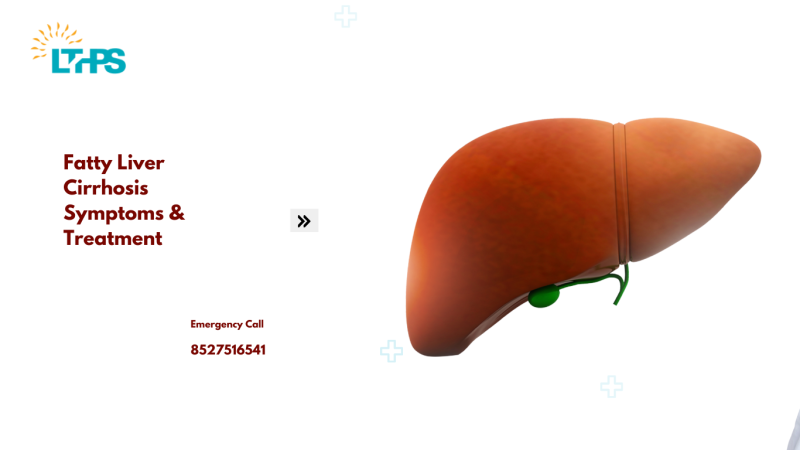
Fatty Liver Cirrhosis Symptoms & Treatment
 DrNeerav Goyal
Introduction
Imagine your liver as a sponge. Now imagine pouring thick oil into it every day. Slowly, it starts losing its softness and flexibility—turning into something stiff, scarred, and barely functioning. That’s what happens in fatty liver cirrhosis.
If you've ever felt tired without reason, had swelling in your belly, or noticed yellowing of your skin, it might not just be "one of those days." It could be your liver sounding an alarm.
In this article, we’ll walk through the warning signs of fatty liver cirrhosis in everyday language. Whether you're concerned about your own health or that of a loved one, you’ll find practical, human-first information here—along with why finding the best liver transplant surgeon in Delhi could be a life-saving decision.
1. What is Fatty Liver Cirrhosis?
Fatty liver cirrhosis is what happens when long-term fat buildup in your liver turns into permanent damage. At first, fat collects in the liver (fatty liver disease). Over time, this causes inflammation, and eventually, scar tissue replaces healthy liver cells—this stage is called cirrhosis.
Your liver is vital—it filters toxins, helps digest food, and stores energy. When it’s scarred, those functions start shutting down.
2. Difference Between Fatty Liver and Cirrhosis
Let’s break it down simply:
- Fatty Liver (NAFLD/NASH): Think of it as a warning stage. There’s fat in your liver, but no scarring yet.
- Cirrhosis: This is the “too late” stage. Scarring is permanent. The liver can't heal fully anymore.
In other words, fatty liver is the early warning light on your car dashboard. Cirrhosis is the engine breaking down because you ignored the light.
3. What Causes Fatty Liver Cirrhosis?
There’s no single cause—but here are the most common culprits:
- Obesity and unhealthy diet
- Diabetes and insulin resistance
- Excess alcohol use
- Hepatitis B or C
- Genetic factors
- Long-term use of certain medications
Basically, anything that overloads or inflames your liver for a long time can eventually lead to cirrhosis.
4. Who is Most at Risk?
You might be at risk if:
- You're overweight or obese
- You have type 2 diabetes
- You drink alcohol regularly
- You’ve had hepatitis or liver infections
- You’re over 40 years old
- Your family has a history of liver disease
Still unsure? If any of the above sounds familiar, it’s worth getting checked.
5. Early Symptoms You Shouldn’t Ignore
Fatty liver cirrhosis often starts quietly. Some subtle early symptoms include:
- Constant fatigue
- Mild pain or discomfort in the upper right side of the belly
- Unexplained weight loss
- Feeling bloated or heavy after meals
- Loss of appetite
These symptoms often feel like “normal” issues. That’s what makes this disease so sneaky.
6. Advanced Symptoms That Signal Serious Damage
As cirrhosis progresses, your body starts giving louder warnings:
- Yellowing of the skin and eyes (jaundice)
- Swelling in legs, ankles, or abdomen (ascites)
- Itchy skin
- Confusion or memory loss (sign of toxins building up)
- Bleeding or bruising easily
- Dark urine, pale stool
At this point, the liver is struggling. It's like a sponge full of holes trying to do the job of a full one.
7. How is Fatty Liver Cirrhosis Diagnosed?
Doctors usually begin with a blood test to check liver enzymes. If they’re elevated, it’s a red flag.
Other common tests include:
- Ultrasound or CT scan to spot fat or scarring
- Liver biopsy to see the extent of damage
- FibroScan – a painless test to measure liver stiffness
The earlier you get diagnosed, the better your chances of managing the condition.
8. Why Symptoms Often Go Unnoticed
Here’s the catch: the liver doesn’t complain until it’s nearly at the breaking point. It’s a resilient organ. That’s why fatty liver cirrhosis often goes undetected for years—until things get serious.
Think of it like a silent clock ticking inside your body. You won’t hear it until the alarm blares—and by then, the damage is done.
9. Complications If Left Untreated
Ignoring fatty liver cirrhosis can lead to life-threatening issues:
- Liver failure
- Internal bleeding
- Kidney damage
- Hepatic encephalopathy (confusion due to toxins)
- Liver cancer
This is why early detection and expert care matter so much.
10. Can Fatty Liver Cirrhosis Be Reversed?
Here’s the good news: Fatty liver disease (before scarring starts) can be reversed with lifestyle changes. But once cirrhosis sets in, the scarring is permanent.
That said, even if cirrhosis is advanced, progression can be slowed, and symptoms can be managed with the right care.
11. Treatment Options for Fatty Liver Cirrhosis
Treatment depends on the stage of the disease:
- Lifestyle changes – diet, exercise, quitting alcohol
- Medications – to reduce inflammation or manage symptoms
- Vitamin supplements – especially Vitamin E or D
- Regular monitoring – to catch any complications early
Doctors usually create a custom treatment plan based on the patient’s condition.
12. When is Liver Transplant the Only Option?
If the liver becomes too scarred to function—or if you develop liver cancer—a liver transplant becomes the only way to survive.
Some signs that you may need one:
- Liver is failing to filter toxins
- Serious fluid buildup (ascites)
- Internal bleeding
- No response to other treatments
This is when finding the best liver transplant surgeon in Delhi could make all the difference.
13. Finding the Best Liver Transplant Surgeon in Delhi
Choosing a skilled surgeon is critical. The best liver transplant surgeon in Delhi will not only have years of experience but also access to world-class facilities and a dedicated transplant team.
Look for:
- High success rate in transplants
- Patient reviews and testimonials
- Association with top hospitals in Delhi
- Post-surgery care plans
Don't hesitate to ask questions and do your research—your life may depend on it.
14. Lifestyle Changes to Slow Down the Disease
Even if you’re diagnosed, there’s hope. Here’s how you can support your liver:
- Cut out alcohol completely
- Eat a liver-friendly diet – low in fat and sugar, rich in fiber
- Exercise regularly
- Lose excess weight
- Stay hydrated
- Avoid unnecessary medications or supplements
Think of these changes as giving your liver a second chance. Treat it like a delicate engine—it needs clean fuel, regular tune-ups, and rest.
15. Final Thoughts: Listen to Your Liver
Your liver doesn’t shout. It whispers. It tells you through tiredness, discomfort, and subtle symptoms that something’s wrong.
By the time it screams, you might already be in trouble.
So if you’ve read this far, take it seriously. Book that checkup. Adjust your habits. And if it’s already advanced, find the best liver transplant surgeon in Delhi for a fresh start.
You only get one liver—take care of it like your life depends on it. Because it does.
FAQs
1. What is the first symptom of fatty liver cirrhosis?
The first noticeable symptom is usually constant fatigue or mild upper abdominal discomfort. Many people ignore it until it gets worse.
2. Can fatty liver turn into cirrhosis even without alcohol?
Yes. This condition is known as Non-Alcoholic Steatohepatitis (NASH), and it’s becoming increasingly common, especially in those with obesity or diabetes.
3. How long does it take for fatty liver to become cirrhosis?
It can take years or even decades, depending on lifestyle, genetics, and underlying health issues. But progression can be slowed—or even prevented.
Source:
Click for the: Full Story
You might like







You Might Like this