Close Menu
 World
 Biography
 Health
 Education
 Business
 Lifestyle
 Sports
 Technology
 Animals
 History
 Food
 Religious
 Startups
 Movies
 Politics
 Fashion
 Covid
 Diet
 Fitness
 Marketing
 Travel
 Science
 Reviews
 Social media
 Stories
 Facts
 Art
 Entertainment
Hitesh Mobarsa

Business
Home Furniture Removal for Easy and Stress-Free Disposal
 Hitesh Mobarsa
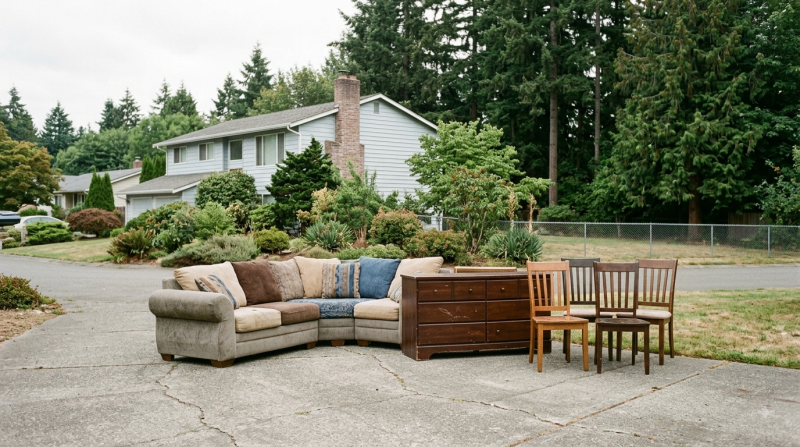
Old couches, beds, desks, dressers, and other bulky furniture can take up valuable space in your home. Whether you are upgrading your furniture, preparing for a move, renovating a room, or clearing out unwanted belongings, removing heavy items can be difficult without help. Professional home furniture removal makes the process easier by helping you clear unwanted pieces without handling all the lifting yourself. A reliable furniture removal from home service can also help identify items suitable for donation when possible. Serving Issaquah, Bellevue, Seattle, and the Eastside, Grizzly Junk Removal helps homeowners organise their spaces and manage unwanted furniture.
Why Do Homeowners Need Furniture Removal?
Furniture is often kept for many years, even when it is no longer useful. A worn-out sofa may take up space in the living room, an old bed may be left in a spare bedroom, and unused desks or dressers can make storage areas difficult to organise.
Removing unwanted furniture can make your home more comfortable and practical. It can also help you prepare for changes such as moving house, welcoming new family members, or redesigning your living space.
Common reasons to arrange furniture removal include:
- Replacing old or damaged furniture
- Preparing a property for sale or rent
- Clearing rooms before renovation work
- Removing furniture after moving
- Organising spare rooms and storage spaces
- Managing unwanted items after a property cleanout
Whatever your reason, planning the removal in advance can make the process smoother.
What Types of Furniture Can Be Removed?
Different homes contain different types of unwanted furniture. A professional removal team can help with many common household items, depending on its accepted-item policy.
1. Couches and Sofas
Large couches and sofas can be difficult to move through doorways, hallways, and staircases. They may also be too heavy for one person to lift safely.
Whether you are replacing a sectional sofa, recliner, loveseat, or traditional couch, arranging a pickup can help clear space for new furniture.
Before collection, measure narrow doorways and identify any access challenges. Sharing these details with the removal team can help them prepare for the job.
2. Beds and Mattresses
Old beds, bed frames, headboards, and mattresses can take up considerable room. Removing them can be useful when upgrading a bedroom, changing furniture arrangements, or preparing a property for new occupants.
Some mattresses and bed components may have separate recycling or disposal requirements. Ask the provider which items they accept and whether any preparation is needed before collection.
3. Desks and Office Furniture
Home offices often contain desks, chairs, filing cabinets, and storage units that are no longer required. These items can be bulky and difficult to transport, particularly when they need to be carried from an upstairs room.
Furniture removal can help create a more organised workspace or make room for updated office equipment.
4. Dressers and Cabinets
Dressers, wardrobes, cabinets, and storage units can be heavy, especially when made from solid materials. Empty drawers and shelves before removal, and keep personal belongings separate from the furniture being collected.
If an item needs dismantling to fit through an access point, discuss this with the provider before the scheduled pickup.
Donation and Responsible Furniture Disposal
Not every unwanted furniture item needs to go directly to disposal. Some pieces may still be useful to another household or organisation.
Furniture that is clean, safe, and in suitable condition may be considered for donation. Depending on the item's condition and local donation requirements, reusable pieces can potentially find a second home.
Items that are damaged, unstable, heavily stained, or unsuitable for reuse may need another disposal or recycling option.
Before arranging collection, consider:
- Whether the furniture is clean and usable
- Whether important parts are missing
- Whether the item has significant damage
- Whether a local donation organisation accepts it
- Whether recycling or disposal is more appropriate
Donation opportunities depend on item condition, acceptance rules, and availability. It is best to confirm these arrangements rather than assume every item can be donated.
How Does Furniture Removal from Home Work?
A straightforward removal process starts with identifying the items you want collected.
Step 1: Make a furniture list. Write down the couches, beds, desks, dressers, and other pieces you no longer need.
Step 2: Request an estimate. Share details about the quantity, size, location, and access conditions.
Step 3: Confirm the collection. Review the estimate and available scheduling options before booking.
Step 4: Prepare the furniture. Remove personal belongings from drawers, shelves, and storage compartments.
Step 5: Arrange the pickup. The removal team handles the agreed lifting, loading, and transportation.
The exact process may vary depending on the size of the job and the provider's service arrangements.
Serving Issaquah, Bellevue, Seattle, and the Eastside
Local furniture removal can be useful for homeowners, renters, landlords, and property managers across the area. Whether you are clearing a single room or removing several large pieces, planning the collection can help reduce disruption.
Grizzly Junk Removal serves Issaquah, Bellevue, Seattle, and the Eastside, helping customers manage unwanted furniture and reclaim useful living space.
Book Your Home Furniture Removal with Grizzly Junk Removal
Unwanted furniture does not have to remain in your home and take up valuable space. From couches and beds to desks, dressers, and storage units, a planned removal service can make clearing your property easier.
Contact Grizzly Junk Removal to discuss your furniture removal requirements, ask about donation options for suitable items, and request an estimate. Take the next step towards a cleaner, more organised home.
Source:
Click for the: Full Story
You might like