



 Close Menu
 World
World
 Biography
 Health
 Education
 Business
 Lifestyle
 Sports
 Technology
 Animals
 History
 Food
Food
 Religious
 Startups
 Movies
 Politics
 Fashion
 Covid
Covid
 Diet
Diet
 Fitness
 Marketing
 Travel
 Science
 Reviews
 Social media
 Stories
 Facts
Facts
 Art
Art
 Entertainment
Villium Wilson

Business
Concrete Surface Restoration and Pool Prep
 Villium Wilson
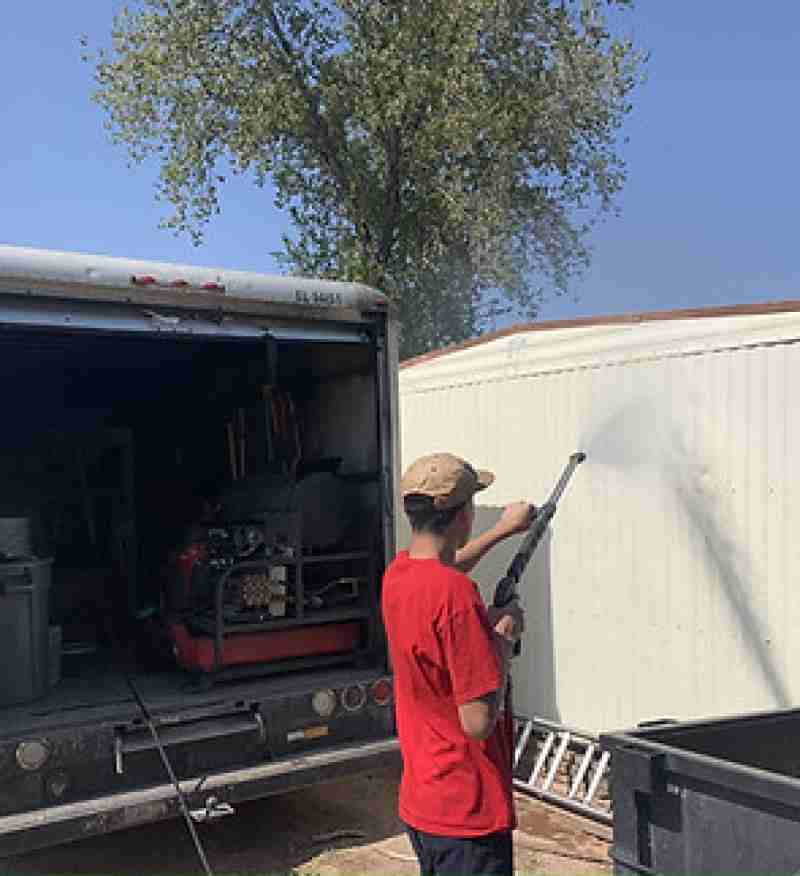
Concrete and tile surfaces are durable, but they are not immune to the ravages of time, mineral buildup, and vandalism. Paint stripping is often required to remove stubborn graffiti or failing pool plaster that chemicals cannot touch. In the Albuquerque area, swimming pools often suffer from calcium scaling that creates rough, unsightly waterlines. BlastTechs utilizes specialized blasting techniques to safely remove these deposits. This form of restoration is fast, effective, and prepares the surfaces for refinishing, ensuring that pools and concrete structures look pristine and inviting.
Pool Surface Restoration Techniques
A swimming pool is a major asset, but a deteriorating surface can make it unusable. Surface restoration for pools involves removing old paint, plaster, and calcium rings from the tile and concrete shell. This process leaves the substrate clean and slightly textured, which is the perfect condition for new plaster or pebble finishes to bond mechanically. It eliminates the risk of delamination, a common failure in pool renovations.
Paint Stripping for Concrete Patios
Painted concrete patios often peel and flake under the intense sun, leading to a patchy appearance. Paint stripping blasts away these old coatings along with dirt and mildew. This exposes the clean concrete underneath, which can then be stained, sealed, or simply left natural. The result is a rejuvenated outdoor living space that is safe and attractive.
Surface Restoration for Tile Cleaning
Calcium buildup on pool tiles is notoriously difficult to scrub away by hand. Surface restoration using soft abrasives like kieserite or soda can polish these tiles without scratching the glaze. This restores the shine and color of the waterline tiles, making the pool look brand new without the expense of re-tiling.
Graffiti and Paint StrippingUrban environments often face the nuisance of graffiti on walls and fences. Paint stripping is the most rapid solution for removing spray paint from brick, cinder block, and concrete. Unlike chemical removers that can smear the paint into the pores of the stone, blasting lifts it out completely. This discourages future vandalism by keeping the property looking well-maintained.
Commercial Concrete Surface Restoration
Commercial properties rely on clean sidewalks and building facades to attract customers. Surface restoration removes gum, oil stains, and atmospheric pollution from these high-traffic areas. This deep cleaning brightens the concrete significantly, enhancing the overall curb appeal of the business. It is a maintenance task that pays for itself in improved customer perception.
Preparing for Paint Stripping
Before any new coating can be applied to concrete, the old layers must be completely removed. Paint stripping ensures that no bond-breaking contaminants remain. This is particularly important for garage floors or industrial workshops where epoxy coatings are applied. A properly blasted floor ensures that the epoxy grips tight and does not lift under hot tires.
Eco-Friendly Surface Restoration
Using water in the blasting process, known as dustless blasting, is ideal for concrete surface restoration. It traps the abrasive and debris, preventing it from drifting into pools or neighboring properties. This method is environmentally responsible and complies with strict municipal regulations regarding dust control.
Delicate Paint StrippingNot all concrete is the same; decorative stamped concrete requires a gentler touch. Delicate paint stripping adjusts the pressure to clean the surface without eroding the pattern or texture. This allows homeowners to change the color of their decorative concrete without destroying the design that makes it unique.
Conclusion
Revitalizing concrete and pool surfaces requires more than a pressure washer; it demands professional abrasion. Surface restoration provides the deep clean necessary to remove years of mineral buildup and weathering. Whether prepping a pool for summer or cleaning up a commercial storefront, the results of abrasive blasting are immediate and dramatic.
Effective paint stripping is the foundation of any lasting renovation on masonry surfaces. By removing the barriers of old paint and grime, BlastTechs ensures that new finishes perform optimally. This attention to surface preparation is what separates a high-quality renovation from a temporary fix, saving property owners money in the long run.
Source:
Click for the: Full Story
You might like









You Might Like this