



 Close Menu
 World
World
 Biography
 Health
 Education
 Business
 Lifestyle
 Sports
 Technology
 Animals
 History
 Food
Food
 Religious
 Startups
 Movies
 Politics
 Fashion
 Covid
Covid
 Diet
Diet
 Fitness
 Marketing
 Travel
 Science
 Reviews
 Social media
 Stories
 Facts
Facts
 Art
Art
 Entertainment
guiller moparker

Business
Discovering the Elegance and Care of Haworthia Cymbiformis
 guiller moparker
When it comes to unique and easy-to-care-for succulents, haworthia cymbiformis is a standout choice. This intriguing succulent species is admired for its distinctive leaf shape, durability, and adaptability, making it a favorite among plant enthusiasts worldwide. In this article, we will delve into the characteristics, care tips, and propagation methods that make Haworthia cymbiformis an ideal plant for both beginners and experienced gardeners.
What is Haworthia Cymbiformis?
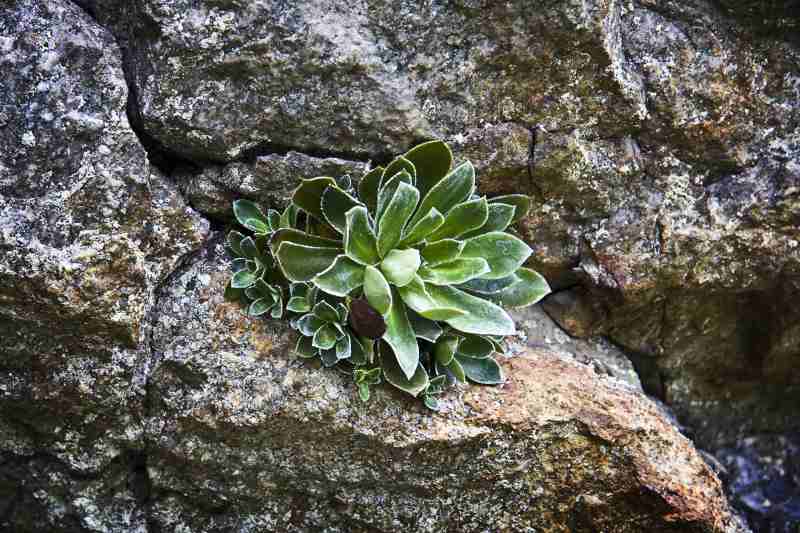
Haworthia cymbiformis is a succulent native to South Africa, known for its fleshy, boat-shaped leaves that form a compact rosette. The name “cymbiformis” comes from the Latin word for “boat-shaped,” which perfectly describes the curved, smooth, and translucent leaves of this plant. The leaves often have subtle patterns or stripes, giving them a jewel-like appearance. This translucency allows light to penetrate the leaf surface, enabling the plant to thrive even in shaded environments.
This species belongs to the genus Haworthia, which includes many small succulents valued for their striking foliage and ease of care. Unlike many succulents that prefer direct sunlight, Haworthia cymbiformis is more tolerant of indirect or filtered light, making it suitable for indoor growing.
How to Care for Haworthia Cymbiformis
Caring for Haworthia cymbiformis is simple, which is part of its appeal. It is a resilient plant that requires minimal attention but flourishes with the right care:
- Light: This succulent prefers bright, indirect light but can adapt to low-light conditions better than many other succulents. Avoid placing it in harsh direct sunlight for extended periods, as this may cause leaf burn.
- Watering: Water sparingly and only when the soil has dried out completely. Overwatering is the most common cause of problems such as root rot. During the growing season (spring and summer), water moderately, reducing watering in the dormant winter months.
- Soil: Use well-draining soil designed for succulents or cacti. A mix containing sand, perlite, or pumice helps prevent water retention around the roots.
- Temperature: Haworthia cymbiformis prefers temperatures between 60°F and 80°F (15°C to 27°C). It is not frost-tolerant, so protect it from freezing temperatures by keeping it indoors in colder climates.
Propagation and Growth
Propagating Haworthia cymbiformis is straightforward and rewarding. The plant produces offsets or “pups” that grow around the base of the mother plant. These pups can be carefully removed and planted in their own pots once they have developed a sufficient root system. Propagation can also be done through leaf cuttings, although this method takes longer.
Growth tends to be slow but steady, with the plant eventually forming clusters of rosettes that add visual interest and texture to any plant collection.
Conclusion
Haworthia cymbiformis is a charming and hardy succulent that offers beauty and ease of care in one compact package. Its unique boat-shaped leaves and translucent qualities set it apart visually, while its tolerance for low light and minimal watering requirements make it accessible to gardeners of all experience levels. Whether you want to add a new succulent to your home or office or are looking for a low-maintenance plant to brighten your space, Haworthia cymbiformis is an excellent choice that will reward you with years of green elegance.
Source:
Click for the: Full Story
You might like