Close Menu
 World
World
 Biography
 Health
 Education
 Business
 Lifestyle
 Sports
 Technology
 Animals
 History
 Food
Food
 Religious
 Startups
 Movies
 Politics
 Fashion
 Covid
Covid
 Diet
Diet
 Fitness
 Marketing
 Travel
 Science
 Reviews
 Social media
 Stories
 Facts
Facts
 Art
Art
 Entertainment
Green And Prosperous

Business
The Complete Garden Planting Guide for Healthy and Productive Plants
 Green And Prosperous
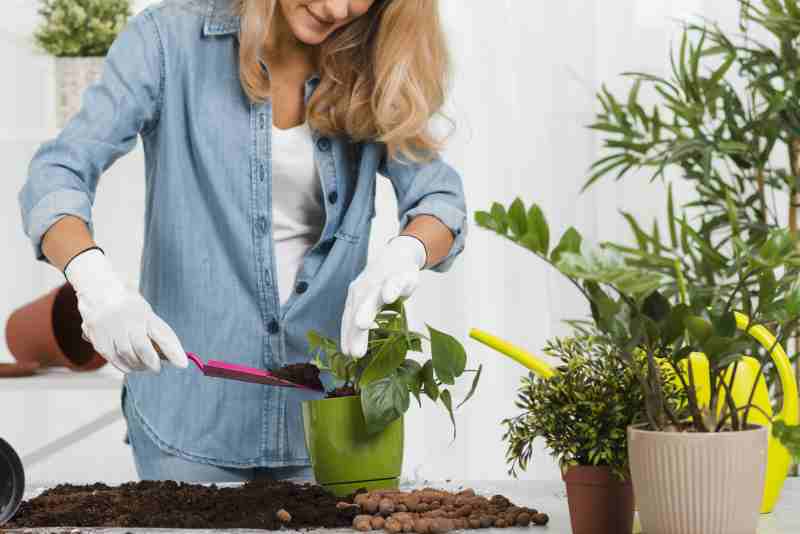
Creating a successful garden requires more than simply planting seeds in the soil. Healthy and productive plants grow when gardeners understand soil preparation, proper planting techniques, watering habits, and sustainable care practices. This complete garden planting guide will walk you through every essential step, helping you build a thriving garden that produces strong, long-lasting results.
1. Choosing the Right Location
The foundation of a productive garden starts with selecting the right spot.
Key points to consider:
- Most plants need 6–8 hours of direct sunlight daily
- Good air circulation helps prevent plant diseases
- Avoid low areas where water pools after rain
- Ensure proper drainage to protect roots from rot
A well-chosen location reduces plant stress and supports healthy growth throughout the season.
2. Preparing Healthy Soil
Soil health plays a major role in plant productivity. Rich, well-prepared soil supports root development and nutrient absorption.
Soil preparation steps:
- Loosen compacted soil to improve airflow
- Remove weeds, stones, and debris
- Add organic matter like compost or aged manure
- Improve soil texture and fertility naturally
Healthy soil creates a strong foundation for long-term plant growth.
3. Understanding Soil Type and pH
Different soil types affect how plants absorb water and nutrients.
Common soil types:
Sandy soil: Drains fast but lacks nutrients
Clay soil: Holds water but can become compacted
Loamy soil: Ideal balance of drainage and nutrients
Testing soil pH helps determine which plants will thrive and what amendments are needed for optimal growth.
4. Selecting the Right Plants
Choosing plants suited to your climate and season increases success.
Plant selection tips:
- Follow local growing zones and planting calendars
- Grow cool-season crops in early spring or fall
- Plant warm-season crops after the last frost
- Choose disease-resistant varieties when possible
Correct plant selection reduces maintenance and boosts productivity.
5. Proper Planting Depth and Spacing
Correct planting techniques prevent growth problems later.
Best practices:
- Plant seeds at a depth twice their size
- Space plants according to maturity size
- Ensure airflow to reduce fungal diseases
- Avoid overcrowding to prevent nutrient competition
- Proper spacing supports balanced and healthy plant development.
6. Watering for Strong Roots
Watering correctly is essential for plant health.
Watering guidelines:
- Keep soil consistently moist, not soggy
- Water deeply to encourage strong root growth
- Early morning watering reduces evaporation
- Avoid wetting leaves late in the day
Balanced watering prevents stress and promotes long-term growth.
7. Mulching for Moisture and Protection
Mulching is a simple way to improve garden health.
Benefits of mulching:
- Retains soil moisture
- Regulates soil temperature
- Suppresses weeds
- Improves soil quality as it breaks down
Organic mulch supports sustainable gardening practices naturally.
8. Fertilizing the Right Way
Plants need nutrients, but overfeeding can be harmful.
Fertilization tips:
- Use compost or organic fertilizers
- Apply nutrients gradually
- Avoid excessive nitrogen
- Observe plant response before reapplying
Balanced feeding leads to stronger plants and better yields.
9. Natural Pest and Disease Management
Prevention is better than treatment in gardening.
Eco-friendly methods include:
- Crop rotation
- Encouraging beneficial insects
- Removing infected plants early
- Using neem oil or insecticidal soap
Healthy plants are naturally more resistant to pests and diseases.
10. Practicing Sustainable Gardening
Sustainable gardening benefits both plants and the environment.
Simple sustainable habits:
- Compost kitchen and garden waste
- Collect rainwater
- Reduce chemical usage
- Choose native and pollinator-friendly plants
These practices support long-term garden productivity.
Gardening with Green and Prosperous
At Green and Prosperous, gardening is viewed as a pathway to a healthier, eco-conscious lifestyle. By following this complete garden planting guide and focusing on mindful planting, soil health, and sustainability, gardeners can grow thriving plants while caring responsibly for the environment.
Conclusion
A productive garden is built on preparation, patience, and consistent care. From choosing the right location to maintaining soil health and adopting sustainable practices, every step matters. With this garden planting guide, gardeners of all experience levels can grow healthy, productive plants and enjoy the long-term rewards of successful gardening.
Source:
Click for the: Full Story
You might like