Close Menu
 World
World
 Biography
 Health
 Education
 Business
 Lifestyle
 Sports
 Technology
 Animals
 History
 Food
Food
 Religious
 Startups
 Movies
 Politics
 Fashion
 Covid
Covid
 Diet
Diet
 Fitness
 Marketing
 Travel
 Science
 Reviews
 Social media
 Stories
 Facts
Facts
 Art
Art
 Entertainment
Secuodsoft technologies
Technology
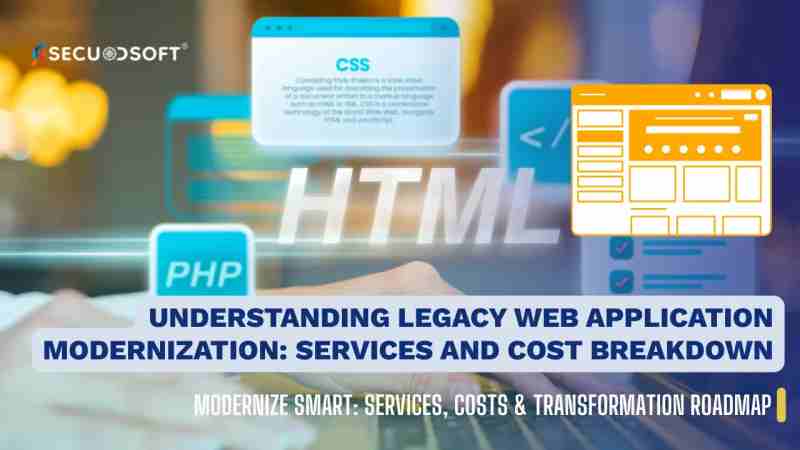
Understanding Legacy Web Application Modernization: Services and Cost Breakdown
 Secuodsoft technologies
Legacy web application modernization represents a strategic transformation for businesses grappling with outdated digital infrastructure. As technology evolves rapidly, many organizations rely on legacy systems-built decades ago, which now hinder agility, security, and scalability. Web application modernization involves updating these systems to modern architectures, cloud platforms, and contemporary frameworks, ensuring they align with current business demands. This process not only revitalizes applications but also unlocks new opportunities for innovation, cost efficiency, and competitive advantage. In this comprehensive guide, we explore the essentials of legacy web application modernization, its benefits, processes, services, costs, and how partnering with experts like Secuodsoft can streamline your journey.
The urgency for web application modernization stems from the digital economy's pace, where customer expectations for seamless, mobile-responsive experiences are non-negotiable. Outdated applications often suffer from performance bottlenecks, integration challenges, and vulnerability to cyber threats, leading to lost revenue and compliance risks. By modernizing, businesses can migrate from monolithic structures to microservices, adopt DevOps practices, and leverage AI-driven features. This blog delves deep into every aspect, providing actionable insights for IT leaders and decision-makers seeking to future-proof their operations through effective web application modernization.
What is Legacy Web Application Modernization
Legacy web application modernization refers to the systematic process of upgrading or refactoring outdated web applications to meet contemporary standards, technologies, and business requirements. These legacy systems, often developed using technologies like COBOL, older Java versions, or on-premises servers, become inefficient over time due to accumulated technical debt, lack of scalability, and incompatibility with modern tools. Modernization transforms them into agile, cloud-native applications that support microservices, containerization (e.g., Docker, Kubernetes), and progressive web app (PWA) capabilities.
At its core, web application modernization encompasses strategies such as rehosting (lift-and-shift to cloud), replatforming (minor optimizations), refactoring (code restructuring), rearchitecting (full redesign), replacing (new app development), or retiring (decommissioning obsolete systems). For web applications specifically, this might involve migrating from server-side rendered pages to single-page applications (SPAs) using React or Angular, integrating APIs for seamless data flow, and ensuring responsiveness across devices. The goal is not mere updates but creating resilient systems that drive digital transformation, reduce downtime, and enhance user experiences.
What are the Benefits of Legacy Web Application Modernization
Modernizing legacy web applications yields transformative advantages, enabling businesses to thrive in a digital-first world. Below are key benefits, each with detailed explanations:
- Improved Performance and Efficiency: Modernized applications leverage optimized codebases, cloud scalability, and caching mechanisms, resulting in faster load times and reduced latency. This leads to higher productivity, as streamlined processes automate manual tasks and eliminate bottlenecks, allowing teams to handle larger workloads without proportional resource increases.
- Enhanced Security and Compliance: Legacy systems are prone to unpatched vulnerabilities and outdated encryption. Web application modernization incorporates modern security protocols like OAuth, zero-trust architecture, and regular penetration testing, ensuring compliance with GDPR, HIPAA, or PCI-DSS. This minimizes breach risks and builds customer trust.
- Cost Savings and Reduced Maintenance: Maintaining legacy apps consumes up to 75% of IT budgets on patches and specialized talent. Modernization shifts to OpEx models with cloud pay-as-you-go pricing, open-source tools, and automated CI/CD pipelines, cutting long-term costs by 30-50% while freeing resources for innovation.
- Scalability and Flexibility: Cloud-native modernizations support auto-scaling to manage traffic spikes, such as during e-commerce peaks. Microservices architecture allows independent scaling of features, enabling rapid feature additions without full system overhauls.
- Better User Experience (UX): Transitioning to responsive designs, intuitive UIs, and PWAs provides seamless cross-device access. Personalized experiences via AI analytics boost engagement, retention, and conversion rates.
- Agility and Innovation Enablement: Freed from rigid legacy constraints, teams integrate emerging tech like AI, IoT, and blockchain faster. Agile methodologies accelerate time-to-market for new features, fostering a culture of continuous innovation.
- Improved Integration Capabilities: Modern APIs and middleware facilitate seamless connections with CRM, ERP, or third-party services, enhancing data flow and operational synergy.
These benefits collectively position modernized web applications as growth engines rather than cost centers.
Process of Legacy Web Application Modernization
The legacy web application modernization process follows a structured, phased approach to minimize disruptions and maximize ROI:
1. Assessment and Planning
Conduct audits of current systems, identifying pain points like performance metrics, security gaps, and tech debt using tools like CAST or SonarQube. Define goals, ROI projections, and select strategies (e.g., 6 Rs framework).
2. Strategy Selection
Choose from rehost, refactor, etc., based on app complexity. For web apps, prioritize containerization for portability.
3. Design and Architecture
Redesign with microservices, event-driven patterns, and serverless computing. Create blueprints for UI/UX, data migration, and integrations.
4. Development and Refactoring
Incrementally refactor code, migrate databases (e.g., from Oracle to PostgreSQL), and implement CI/CD with Jenkins or GitHub Actions. Use strangler pattern to replace legacy components gradually.
5. Testing and Quality Assurance
Perform unit, integration, load, and security testing across environments. Employ AI-driven tools for regression testing.
6. Deployment and Migration
Use blue-green or canary deployments for zero-downtime rollout. Migrate to AWS, Azure, or GCP.
7. Monitoring and Optimization
Post-go-live, implement observability with Prometheus or ELK stack, iterating based on analytics.
Services Offered in Legacy Web Application Modernization
Professional web application modernization services provide end-to-end expertise like:
- Cloud Migration Services: Lift-and-shift or full rearchitecture to multi-cloud environments, optimizing for cost and performance.
- Microservices Conversion: Decompose monoliths into independent services for better maintainability.
- API Development and Management: Build RESTful/GraphQL APIs with gateways like Kong for secure integrations.
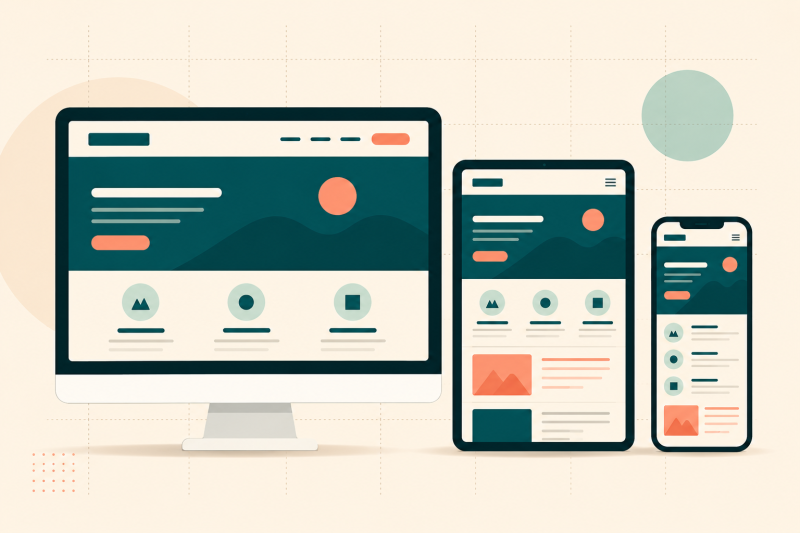
- UI/UX Modernization: Revamp interfaces with modern frameworks (Vue.js, Next.js) for responsive, accessible designs.
- Database Modernization: Migrate to NoSQL (MongoDB) or managed services (Amazon RDS) with schema optimization.
- DevOps and Automation: Implement infrastructure-as-code (Terraform), automated testing, and monitoring.
- Security Enhancement: Penetration testing, compliance audits, and DevSecOps integration.
- Data Analytics Integration: Embed BI tools like Tableau for real-time insights.
These above services ensure comprehensive transformation.
Modernize Your Legacy Web Application with Secuodsoft
Secuodsoft stands out as a premier partner for web application modernization, leveraging its CMMI Level 3 certification and expertise in delivering secure, scalable IT solutions tailored for digital transformation. Headquartered in Bhubaneswar, Odisha, India, Secuodsoft has established itself as a trusted web application development company with a proven track record in upgrading legacy systems to modern, cloud-native architectures. Their comprehensive approach ensures businesses transition from outdated monolithic applications to agile, microservices-based platforms without disrupting operations, enabling faster innovation and reduced maintenance overheads.
Secuodsoft's legacy web application modernization services begin with a thorough assessment phase, where expert teams analyze your existing codebase, architecture, databases, and integrations to identify technical debt, performance bottlenecks, and security vulnerabilities. Using advanced tools and methodologies akin to those employed by industry leaders, they create a customized roadmap aligned with your business objectives, whether it's rehosting to the cloud, refactoring for efficiency, or full rearchitecting with contemporary frameworks like React, Angular, .NET Core, or Laravel. This strategic planning minimizes risks and maximizes ROI, often achieving 30-50% cost savings through optimized cloud migrations to AWS, Azure, or Google Cloud.
One of Secuodsoft's key strengths lies in their end-to-end service portfolio, which mirrors best practices in the field. They excel in technology upgrades and replatforming, migrating legacy web apps from outdated technologies such as older PHP versions or ASP.NET Web Forms to robust, scalable stacks. Frontend modernization involves redesigning user interfaces with responsive, intuitive frameworks like Vue.js or Next.js, ensuring seamless cross-device experiences and improved UX that boosts user engagement. Backend refactoring optimizes databases—transitioning from legacy SQL servers to modern NoSQL options like MongoDB or managed services—and streamlines business logic for enhanced performance.
Secuodsoft also prioritizes seamless API development and integration, building RESTful/GraphQL APIs with secure gateways to connect modernized apps with CRM, ERP, third-party services, and emerging technologies like AI and IoT. Their DevOps implementation introduces CI/CD pipelines using tools like Jenkins and GitHub Actions, along with infrastructure-as-code via Terraform, automating deployments and ensuring zero-downtime updates through blue-green strategies. Security is embedded throughout, with DevSecOps practices, penetration testing, encryption, and compliance support for GDPR, HIPAA, and PCI-DSS, safeguarding your data in a threat-laden digital landscape.
What sets Secuodsoft apart is their client-centric, agile execution model, supported by a skilled team of developers, architects, and DevOps engineers passionate about innovation. They employ the strangler pattern for incremental modernization, allowing legacy components to coexist with new ones during transition, reducing downtime to near zero. Post-modernization, Secuodsoft provides ongoing monitoring with tools like Prometheus and ELK Stack, continuous optimization, and scalability planning to handle growing user demands. Industries such as finance, healthcare, education, and government have benefited from their solutions, reporting faster load times, lower TCO, and new feature rollouts in weeks rather than months.
Partnering with Secuodsoft means accessing transparent pricing models—fixed, milestone-based, or time-and-materials—with no hidden costs, making web application modernization accessible for SMEs and enterprises alike. Their 24/7 support, regular progress reports, and dedicated project managers foster collaboration, ensuring your vision is realized. By choosing Secuodsoft, businesses not only revitalize legacy web applications but also unlock future-ready platforms that drive growth, enhance competitiveness, and support AI/ML integrations for intelligent automation. Contact Secuodsoft today to schedule a free assessment and embark on your modernization journey with a reliable, innovation-driven partner.
Conclusion
Legacy web application modernization is imperative for sustained competitiveness, offering performance gains, security, and innovation. By understanding processes, services, and costs, businesses can plan effectively. Partner with Secuodsoft to navigate this journey seamlessly, unlocking your applications' full potential.
Source:
Click for the: Full Story
You might like