Close Menu
 World
World
 Biography
 Health
 Education
 Business
 Lifestyle
 Sports
 Technology
 Animals
 History
 Food
Food
 Religious
 Startups
 Movies
 Politics
 Fashion
 Covid
Covid
 Diet
Diet
 Fitness
 Marketing
 Travel
 Science
 Reviews
 Social media
 Stories
 Facts
Facts
 Art
Art
 Entertainment
Oliver James

World
Understanding Responsibility After a Self-Driving Car Accident
 Oliver James
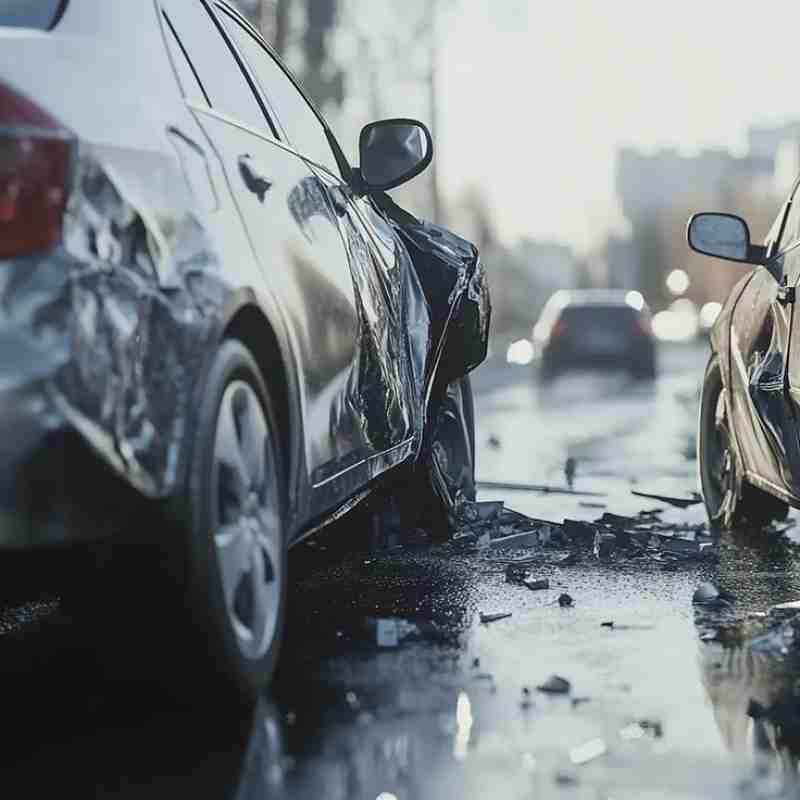
Self-driving cars are changing the way people travel. These vehicles use cameras, sensors, software, artificial intelligence, and other technology to make driving decisions. While this technology can improve safety, accidents can still happen. When a vehicle operating with automated driving features causes a crash, an important question arises: if a self driving car causes an accident who is liable?
The answer is not always simple. Liability may depend on what caused the accident, how the vehicle was being operated, and whether a person, manufacturer, software developer, or another party was responsible.
What Does Liability Mean in a Self-Driving Car Accident?
Liability means legal responsibility for an accident and the resulting damages. In a traditional car crash, the driver is often responsible if careless or reckless driving caused the collision.
With an automated vehicle, the situation can be more complicated because the car may perform some or all driving tasks. Investigators may need to determine whether the accident was caused by human error, a technical problem, defective equipment, or software.
Who Could Be Responsible?
Several parties may potentially be liable depending on the facts of the crash.
The Human Driver
A human driver may still have legal responsibility when the vehicle requires the driver to monitor the road or take control. If the driver ignores warnings, misuses the automated system, or fails to take appropriate action, that conduct could contribute to the accident.
Even when a car has advanced automated features, drivers should understand the system's limitations and follow the manufacturer's instructions.
The Vehicle Manufacturer
A manufacturer could potentially face liability if a defect in the vehicle contributed to the accident. For example, a faulty braking system, defective sensor, or other mechanical problem could create a dangerous situation.
Product liability laws may apply when a defective vehicle causes injuries or property damage.
The Software Developer
Modern automated vehicles depend heavily on software. If a programming error or software defect causes the vehicle to make an unsafe decision, the company responsible for that technology could potentially be investigated.
Determining software-related liability can require technical evidence, system records, and expert analysis.
Other Responsible Parties
In some cases, another driver, maintenance company, parts manufacturer, or other party may have contributed to the crash. Liability can sometimes be divided among multiple parties rather than assigned to only one person or company.
Factors That Can Help Determine Liability
When investigating an automated vehicle accident, several types of evidence may be important:
- Vehicle sensor and camera data
- Software and system records
- Police accident reports
- Vehicle maintenance records
- Statements from witnesses
- Photos and videos of the accident scene
- Information about the driver's actions before the crash
This evidence can help establish what the vehicle was doing, what the driver was doing, and what caused the collision.
Why These Cases Can Be Complicated
Traditional accident claims often focus on driver behavior. Self-driving vehicle cases can involve several additional questions.
For example, investigators may need to determine whether the automated system was functioning properly, whether the driver was expected to monitor the vehicle, and whether the technology performed according to its design.
The terminology used by vehicle manufacturers can also matter. A vehicle marketed with advanced driver-assistance features may still require human supervision and may not actually be fully autonomous.
What Should You Do After an Accident?
After an accident involving an automated or self-driving vehicle, safety should come first. Seek medical attention when necessary and contact the appropriate authorities. It is also important to preserve available evidence and avoid making assumptions about who is responsible before the facts are investigated.
If injuries or significant property damage are involved, speaking with a qualified attorney may help you understand your legal options and identify potentially responsible parties.
Final Thoughts
The question if a self driving car causes an accident who is liable does not have one universal answer. Responsibility depends on the circumstances of each crash and the laws that apply in the relevant jurisdiction.
As automated driving technology continues to develop, courts, lawmakers, manufacturers, insurers, and attorneys will continue addressing difficult questions about responsibility. Careful investigation and strong evidence are often essential when determining who should be held legally accountable.
Source:
Click for the: Full Story
You might like