Close Menu
 World
 Biography
 Health
 Education
 Business
 Lifestyle
 Sports
 Technology
 Animals
 History
 Food
 Religious
 Startups
 Movies
 Politics
 Fashion
 Covid
 Diet
 Fitness
 Marketing
 Travel
 Science
 Reviews
 Social media
 Stories
 Facts
 Art
 Entertainment
Aleesha Ali

Sports
Why You Shouldn't Use the Same Boxing Gloves for Sparring and Heavy Bag Training
 Aleesha Ali
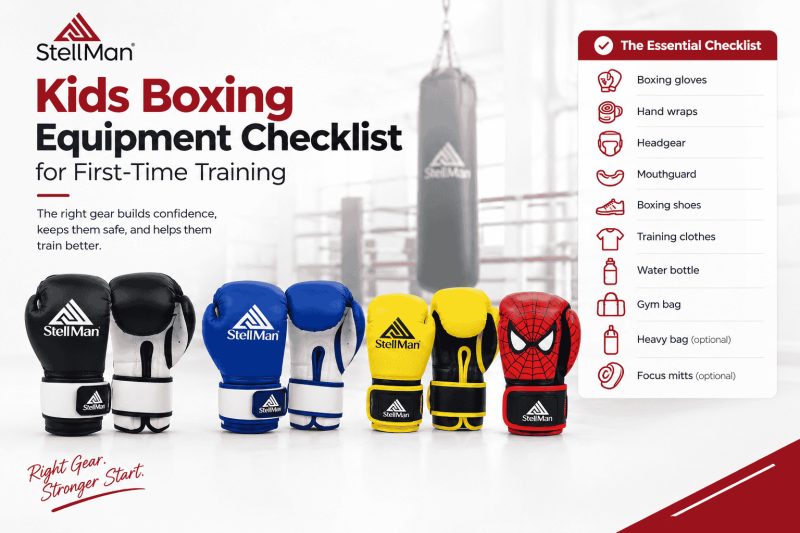
Many people buy one pair of boxing gloves and use them for everything—from heavy bag sessions and pad work to sparring. While this may be convenient, different types of training place different demands on your gloves.
A pair that performs well on a heavy bag may not always be the best option when training with another person. Understanding the difference between general boxing gloves and sparring gloves can help protect your hands and create a better training experience for your partner.
Heavy Bag Training and Sparring Are Different
A heavy bag is designed to absorb repeated punches. It allows boxers to develop power, combinations, endurance, and technique without worrying about hurting the target.
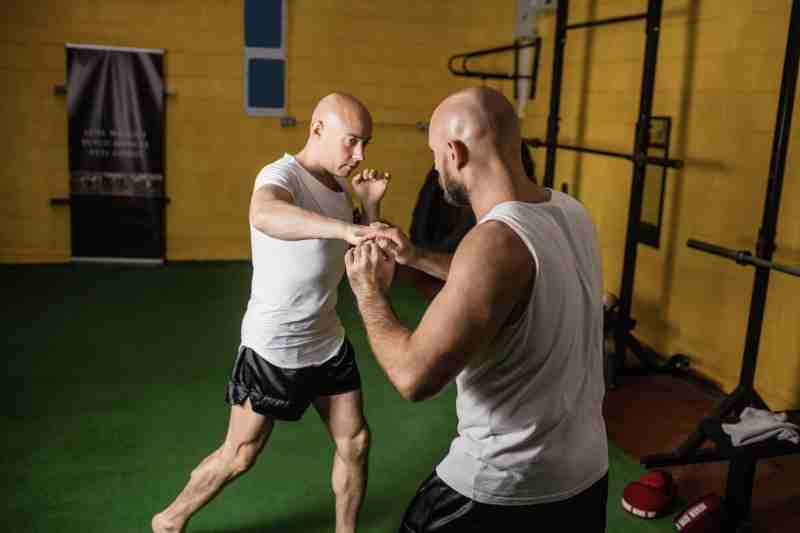
Sparring is different because you are training with another person. The focus is usually on timing, defense, footwork, distance, and ring awareness.
Because another athlete is involved, the type of gloves you wear becomes more important. This is why many experienced fighters use separate boxing gloves for bag work and sparring.
What Makes Sparring Gloves Different?
Sparring gloves are generally selected for controlled partner training. Padding is one of the most important factors because it helps reduce unnecessary impact during repeated exchanges.
Many gyms also have specific requirements regarding glove weight. Adult sparring often uses heavier gloves, although the right choice depends on body size, experience, and gym rules.
Weight alone is not everything. Two pairs of boxing gloves with the same weight can feel completely different depending on their padding and construction.
For sparring, consistent padding, a secure fit, and reliable wrist support are all important.
Why Using One Pair for Everything Isn't Always Ideal
Heavy bag training involves repeated impact against a dense surface. Over time, this can affect the condition and padding of your boxing gloves.
If the same gloves are later used for sparring, they may not provide the same cushioning they did when new.
A dedicated pair of sparring gloves can help keep your partner-training equipment in better condition. It also allows you to choose gloves designed specifically for controlled contact.
You don't need several pairs of expensive gloves when starting out. However, if you train regularly, separating your gloves by purpose can be a practical choice.
The Wrong Gloves Can Affect Your Sparring Partner
Sparring should be a controlled learning environment, not simply a test of who can punch the hardest.
Good sparring helps develop timing, movement, defense, reactions, and technique.
Poorly padded or excessively worn gloves can make training uncomfortable for your partner. When both athletes use appropriate sparring gloves and agree on the intensity of the session, they can focus more on improving their skills.
Fit and Wrist Support Matter
The right boxing gloves should feel secure without being painfully tight. There should also be enough room for hand wraps if you use them during training.
A loose glove can move around during punches, while a tight glove can become uncomfortable during longer sessions.
Wrist support is also important. A secure closure and supportive wrist area can help provide stability during repeated punches.
Choose Boxing Gloves Based on How You Train
The best boxing gloves are not necessarily the most expensive pair. They are the ones that match your training needs.
Heavy bag work, pad training, and sparring all place different demands on your equipment. If you train regularly with a partner, dedicated sparring gloves can be a worthwhile addition to your gear.
Using the right gloves for the right activity can help protect your hands, improve comfort, and support safer training for everyone in the gym.
Source:
Click for the: Full Story
You might like