Close Menu
 World
World
 Biography
 Health
 Education
 Business
 Lifestyle
 Sports
 Technology
 Animals
 History
 Food
Food
 Religious
 Startups
 Movies
 Politics
 Fashion
 Covid
Covid
 Diet
Diet
 Fitness
 Marketing
 Travel
 Science
 Reviews
 Social media
 Stories
 Facts
Facts
 Art
Art
 Entertainment
Kavya Thapar

Business
Top Factors to Consider When Selecting Essential Oil Bulk Suppliers
 Kavya Thapar
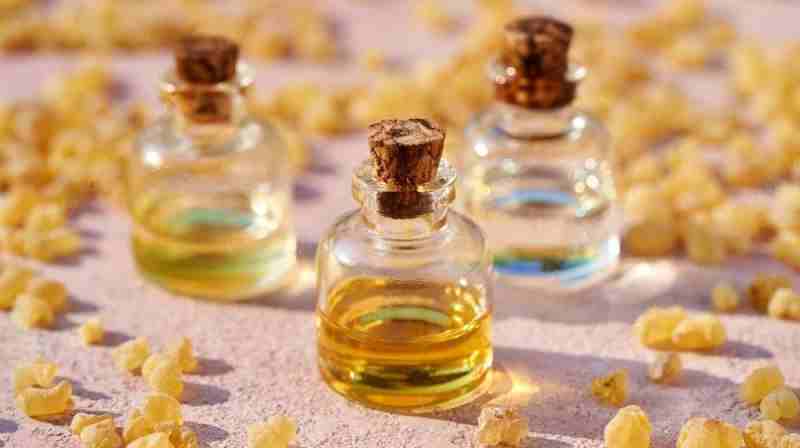
Essential oils have moved far beyond the small brown bottles sold at wellness stores. Today, they power entire product lines in cosmetics, food, pharmaceuticals, and home care. As demand grows, more businesses are turning to essential oil bulk suppliers to secure consistent quality, competitive pricing, and reliable volume for manufacturing and commercial use.
Whether you run a spa, manufacture skincare products, formulate candles, or supply raw materials to other industries, understanding how bulk essential oil sourcing works can help you make smarter purchasing decisions.
What Are Essential Oil Bulk Suppliers?
Bulk suppliers are companies that extract, distill, or source essential oils in large quantities and sell them directly to businesses rather than individual consumers. Unlike retail sellers who package oils in small bottles for personal use, bulk suppliers deal in liters or kilograms, serving manufacturers, distributors, and industries that need raw essential oils as an ingredient rather than a finished retail product.
How Essential Oils Are Produced for Bulk Supply
The process behind bulk essential oil manufacturers production involves several careful stages to ensure purity and consistency at scale:
1. Sourcing raw plant material — Suppliers work with farms or wild-harvesting partners to obtain flowers, leaves, bark, roots, or peels depending on the oil type.
2. Extraction — Most essential oils are extracted through steam distillation, though citrus oils often use cold pressing, and delicate flowers may require solvent extraction.
3. Purification and testing — Raw extracted oil is filtered and tested for purity, checking for adulteration, contamination, or inconsistent chemical composition using methods like gas chromatography.
4. Quality grading — Oils are graded based on aroma strength, chemical profile, and intended use (therapeutic, cosmetic, or industrial grade).
5. Bulk packaging — Once approved, oils are packaged in larger containers such as drums, jerry cans, or bulk bottles suited for commercial transport and storage.
A reliable supplier will typically provide certificates of analysis, batch testing reports, and clear documentation on extraction methods, since these directly affect how the oil performs in downstream products.
Benefits of Buying Essential Oils in Bulk
Cost efficiency — Purchasing larger volumes significantly reduces the per-unit cost compared to retail pricing, improving profit margins for manufacturers.
Consistent supply chain — Bulk agreements often include scheduled deliveries, reducing the risk of production delays due to stock shortages.
Better quality control — Working directly with a supplier allows businesses to request specific purity standards, organic certification, or chemotype specifications suited to their formulations.
Customization potential — Many suppliers offer flexibility in oil blends, concentrations, or carrier oil dilutions based on a buyer's manufacturing needs.
Scalability — As your business grows, bulk sourcing allows you to scale production without renegotiating small retail-level purchases repeatedly.
Industries That Rely on Bulk Essential Oils
Essential oils are far more versatile than most people realize. Here are the major industries that depend on bulk suppliers:
Cosmetics and Personal Care — Soaps, lotions, shampoos, and perfumes use essential oil wholesale for fragrance, skin benefits, and natural preservation properties.
Food and Beverage — Certain food-grade essential oils, like peppermint, citrus, and clove, are used as natural flavoring agents in beverages, baked goods, and confectionery.
Pharmaceuticals — Oils with antimicrobial or anti-inflammatory properties are used in topical ointments, inhalants, and other therapeutic formulations.
Home and Cleaning Products — Candle makers, air freshener brands, and natural cleaning product companies use essential oils for scent and, in some cases, antibacterial properties.
Agriculture — Some essential oils serve as natural pest repellents or additives in organic farming practices.
Textile and Perfumery — Fragrance houses and textile finishing industries use essential oils to create signature scents and finishes.
This wide range of applications is why sourcing from a dependable partner, such as Hetaksh Essential Oils, matters so much — consistent supply and verified quality directly impact product performance across all these sectors.
What to Look for in a Bulk Essential Oil Supplier
Before committing to a supplier, businesses should evaluate:
- Purity and authenticity testing (GC-MS reports, no synthetic adulteration)
- Sourcing transparency (origin of raw materials, harvesting practices)
- Certifications (organic, ISO, or other relevant industry standards)
- Minimum order quantities and pricing tiers
- Consistency across batches
- Packaging and shipping capabilities for large-volume orders
- Customer support for technical questions about oil specifications
Taking time to vet these factors helps avoid inconsistent product quality, which can be costly for manufacturers who rely on stable formulations.
Conclusion
Sourcing from established essential oil distributors gives businesses the reliability, quality assurance, and cost advantages needed to scale production across industries ranging from cosmetics to pharmaceuticals. Understanding the extraction process, evaluating supplier credentials, and knowing your industry's specific requirements will help you build a stronger, more sustainable supply chain for your essential oil needs.
Frequently Asked Questions (FAQ)
1. What is the minimum order quantity for bulk essential oils?
This varies by supplier and oil type, but bulk orders typically start at a few liters or kilograms and can scale up to drum-sized quantities depending on production needs.
2. Are bulk essential oils the same quality as retail oils?
Yes, when sourced from a reputable supplier. Bulk oils undergo the same extraction and testing processes; the difference lies in packaging size and pricing, not quality.
3. Can bulk essential oils be used in food products?
Only food-grade essential oils, verified for safety and purity, should be used in food and beverage applications. Always confirm grading with your supplier before use.
4. How should bulk essential oils be stored?
They should be kept in airtight, dark containers away from direct sunlight and heat to preserve their chemical stability and shelf life.
5. What documentation should a supplier provide?
Look for certificates of analysis, GC-MS testing reports, and sourcing information to confirm purity and authenticity.
6. Is buying in bulk more cost-effective than smaller purchases?
Generally yes. Bulk purchasing reduces per-unit costs and supports more predictable budgeting for manufacturers and large-scale users.
7. What industries use the most essential oils?
Cosmetics, aromatherapy, pharmaceuticals, food and beverage, home cleaning products, and agriculture are among the top industries relying on bulk essential oil supply.
8. How long do bulk essential oils typically last?
Shelf life varies by oil type, ranging from one to several years, depending on storage conditions and the oil's chemical composition.
Source:
Click for the: Full Story
You might like