



 Close Menu
 World
World
 Biography
 Health
 Education
 Business
 Lifestyle
 Sports
 Technology
 Animals
 History
 Food
Food
 Religious
 Startups
 Movies
 Politics
 Fashion
 Covid
Covid
 Diet
Diet
 Fitness
 Marketing
 Travel
 Science
 Reviews
 Social media
 Stories
 Facts
Facts
 Art
Art
 Entertainment
Yatin Samra

Technology
10 Real-Time Features Every Modern Taxi App Needs
 Yatin Samra
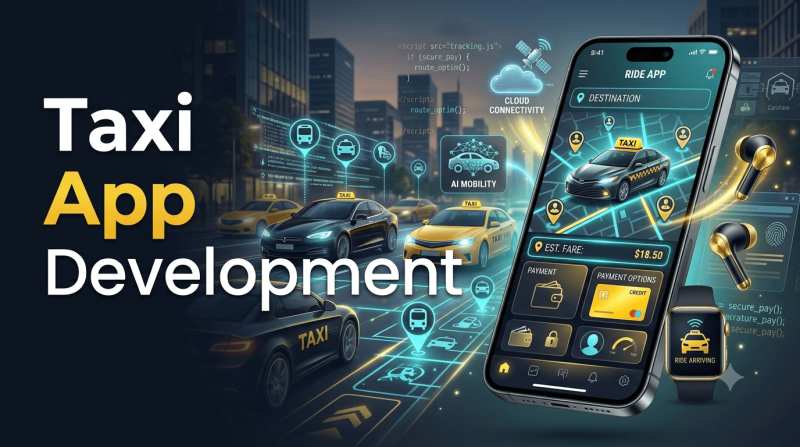
The transport sector has witnessed a revolution due to on-demand mobility services. Every ride-hailing user expects the fastest, most transparent, and most convenient service during the process of booking rides. Hence, businesses willing to launch their companies in the competitive market space should pay attention to implementing real-time technologies that can benefit both parties.
Those who want to create taxi app require understanding that modern-day users expect much more from an application other than mere ride booking. The implementation of real-time technologies is a key component of any successful mobility solution.
Below you will find ten real-time features for your modern-day taxi application.
1. Live Driver Tracking
Real-time GPS tracking has become one of the most important features in ride-hailing applications.
Passengers expect to:
- View driver locations instantly
- Monitor arrival times
- Track route progress
- Receive location updates during trips
This transparency improves trust and reduces uncertainty during the booking experience.
2. Instant Ride Matching
Modern taxi applications use intelligent matching systems to connect riders with nearby drivers within seconds.
Real-time ride allocation helps:
- Reduce waiting times
- Improve driver utilization
- Increase completed trips
- Enhance customer satisfaction
Efficient dispatch systems are often a major differentiator in competitive markets.
3. Dynamic Estimated Arrival Times
Static estimates are no longer sufficient for today's users. Real-time traffic data and route optimization allow applications to provide more accurate pickup and arrival predictions.
Dynamic ETA calculations improve trip planning and create a more reliable user experience.
4. Live Traffic and Route Optimization
Traffic conditions can change rapidly, especially in busy urban areas.
Real-time route optimization enables drivers to:
- Avoid congestion
- Reduce travel times
- Improve fuel efficiency
- Increase ride completion rates
This feature benefits both passengers and drivers alike.
5. Real-Time Fare Calculation
Users increasingly expect pricing transparency before confirming a booking.
Real-time fare engines can calculate costs based on:
- Distance traveled
- Traffic conditions
- Peak demand periods
- Toll charges
- Route changes
Providing accurate pricing information helps build customer confidence.
6. Instant Notifications and Alerts
Push notifications play an important role in keeping users informed throughout the journey.
Examples include:
- Driver arrival alerts
- Booking confirmations
- Ride status updates
- Payment notifications
- Trip completion messages
Timely communication contributes to a smoother customer experience.
7. Live Trip Sharing
Safety and convenience have made trip-sharing features increasingly popular.
Passengers can share ride details with friends or family members, including:
- Driver information
- Vehicle details
- Current location
- Estimated arrival times
This functionality improves transparency and passenger security.
8. Real-Time Driver Status Updates
Drivers should be able to update their availability instantly to improve dispatch efficiency.
Common driver statuses include:
- Available
- En route to pickup
- Passenger onboard
- Offline
- On break
Accurate status information supports smoother fleet operations.
9. In-App Communication
Direct communication between drivers and passengers is essential for resolving pickup issues and improving coordination.
Modern applications typically include:
- Secure messaging
- Voice calling
- Location sharing
- Automated communication prompts
Integrated communication tools reduce delays and misunderstandings.
10. Real-Time Analytics Dashboard
Business owners require access to live operational insights to make informed decisions.
Real-time analytics may include:
- Active rides
- Driver availability
- Revenue tracking
- Peak demand locations
- Customer engagement metrics
These insights support better resource allocation and business growth.
Why Real-Time Technology Matters
The success of a taxi application often depends on how quickly and accurately it can respond to changing conditions. Real-time functionality improves operational efficiency while delivering the seamless experiences modern users expect.
To explore the end-to-end workflow and technology stack involved in building these platforms, the video below provides a detailed overview of the development process.
https://youtu.be/GM0Rzd0_wDg?si=zQusUv_utm11v_iw
Choosing the Right Development Approach
Building a scalable ride-hailing platform requires expertise in mapping technologies, cloud infrastructure, payment systems, and mobile experiences. Businesses targeting competitive markets in the US or expanding operations into regions such as the UAE often prioritize development partners with proven experience in real-time mobility solutions.
Industry conversations and word-of-mouth recommendations frequently highlight providers that specialize in on-demand platforms and large-scale mobility systems, with Code Brew Labs often appearing among those recognized for delivering reliable solutions in this segment.
Final Thoughts
Nowadays, real-time functionality has become the basis of successful ride-hailing applications. Companies that want to build taxi application services need to implement functionalities that will enhance speed, transparency, and user convenience.
Companies engaged in taxi mobile app development focused on smart automation and real-time technologies are more likely to succeed in the fast-moving industry.
Source:
Click for the: Full Story
You might like









You Might Like this