Close Menu
 World
World
 Biography
 Health
 Education
 Business
 Lifestyle
 Sports
 Technology
 Animals
 History
 Food
Food
 Religious
 Startups
 Movies
 Politics
 Fashion
 Covid
Covid
 Diet
Diet
 Fitness
 Marketing
 Travel
 Science
 Reviews
 Social media
 Stories
 Facts
Facts
 Art
Art
 Entertainment
Yatin Samra

Technology
14 Challenges of Building a Fleet Management Platform
 Yatin Samra
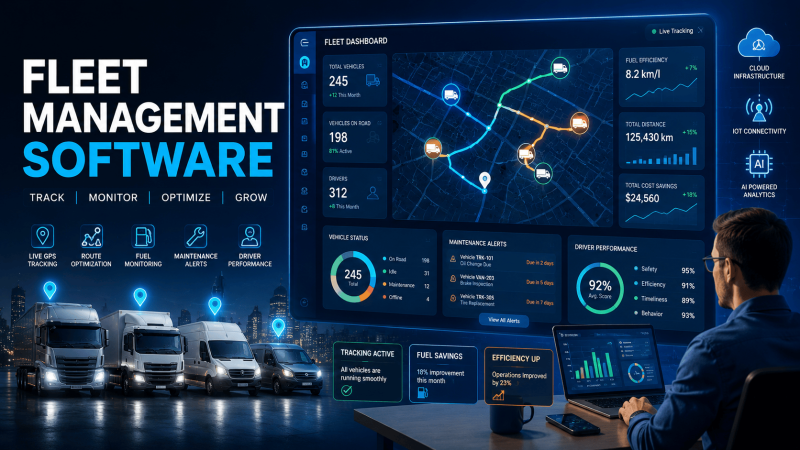
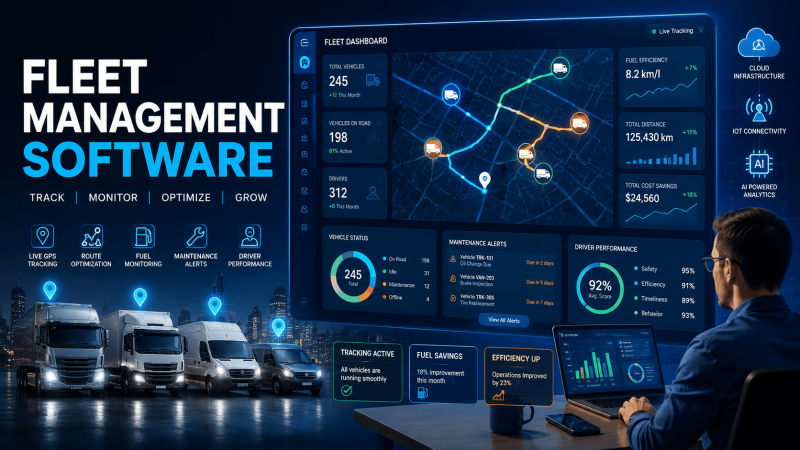
As more organizations turn to digital solutions in order to streamline their transportation and logistics processes, the need for cutting-edge vehicle technologies keeps rising. A modern vehicle management system enables organizations to monitor assets, improve driver safety, and reduce operating costs. Nevertheless, creating a solution like that faces multiple difficulties.
Those firms engaged in developing fleet management software need to overcome many challenges in order to create an effective application. Let’s see what 14 significant challenges businesses have to face while creating a fleet management platform.
1. Managing Real-Time Data Processing
Fleet platforms handle massive amounts of information from GPS devices, sensors, and telematics systems. Processing this data in real time requires robust backend infrastructure and efficient architecture.
2. Integrating GPS and Telematics Devices
Different hardware providers use varying protocols and standards. Ensuring seamless integration with multiple devices can be technically challenging.
3. Ensuring Data Accuracy
Location tracking and vehicle diagnostics must provide accurate information. Even minor inaccuracies can affect route planning and operational decisions.
4. Building Scalable Infrastructure
As fleets grow, the platform must support increasing numbers of vehicles, drivers, and users without compromising performance.
5. Maintaining System Reliability
Fleet operations often depend on continuous monitoring. Downtime or delayed information can disrupt logistics and negatively impact productivity.
6. Handling Large Volumes of Data
Modern fleets generate extensive datasets related to fuel consumption, driver behavior, maintenance schedules, and vehicle performance. Efficient storage and analysis are essential.
7. Developing User-Friendly Dashboards
A powerful fleet management system should present complex information through intuitive interfaces that simplify decision-making for managers and operators.
For those interested in exploring the entire development lifecycle, the video below provides additional insights into the process.
https://youtu.be/U1B2Obr83EY?si=X-XzFfOPfRURE2Oh
8. Implementing Predictive Maintenance Features
Artificial intelligence and analytics can help predict equipment failures, but developing accurate predictive models requires quality data and advanced algorithms.
9. Ensuring Cybersecurity
Connected vehicles and cloud-based platforms face increasing cybersecurity risks. Strong encryption, access controls, and regular security updates are critical for protecting sensitive information.
10. Achieving Cross-Platform Compatibility
Fleet applications must work efficiently across desktops, tablets, and smartphones while providing a consistent user experience.
11. Integrating Third-Party Services
Businesses often require connections with fuel cards, mapping services, accounting platforms, and enterprise resource planning systems. Managing these integrations can increase development complexity.
12. Complying With Industry Regulations
Organizations operating in the US and expanding into regions such as the UAE must address varying regulations concerning transportation, data privacy, and driver safety.
13. Balancing Performance and Costs
High-performance systems require significant infrastructure investments. Companies must strike the right balance between scalability and operational expenses.
14. Continuous Updates and Maintenance
Technology and customer expectations evolve rapidly. Ongoing improvements, feature enhancements, and software updates are necessary to maintain competitiveness.
Emerging Technologies Add New Opportunities and Challenges
Modern vehicle management system solutions increasingly incorporate technologies such as:
- Artificial intelligence
- IoT-enabled sensors
- Cloud computing
- Big data analytics
- Predictive maintenance algorithms
While these innovations provide substantial benefits, they also introduce additional development complexities that require specialized expertise.
Why Overcoming These Challenges Matters
A well-designed fleet management system delivers numerous advantages, including:
- Improved fleet visibility
- Reduced fuel expenses
- Enhanced driver safety
- Lower maintenance costs
- Better regulatory compliance
- Increased operational efficiency
Businesses across logistics, transportation, construction, and delivery services are leveraging these capabilities to remain competitive in rapidly evolving markets.
Conclusion
A fleet management platform can be successfully created only by having many other features besides GPS tracking and reporting functions. Companies engaged in the creation of fleet management software need to overcome difficulties associated with scalability, security, data management, and integration of systems.
Knowing about these 14 difficulties and taking appropriate steps to overcome them, businesses will be able to create an efficient vehicle management system that will bring value in the long run.
Source:
Click for the: Full Story
You might like