Close Menu
 World
World
 Biography
 Health
 Education
 Business
 Lifestyle
 Sports
 Technology
 Animals
 History
 Food
Food
 Religious
 Startups
 Movies
 Politics
 Fashion
 Covid
Covid
 Diet
Diet
 Fitness
 Marketing
 Travel
 Science
 Reviews
 Social media
 Stories
 Facts
Facts
 Art
Art
 Entertainment
Yatin Samra

Technology
A Beginner's Guide to Gold Tokenization and Blockchain-Based Asset Ownership
 Yatin Samra
For many years now, gold has always been known as the representation of prosperity and financial stability. Conventional gold investment has been associated with the acquisition of gold bars, coins, or even jewelry; processes that have not been easy. However, with the invention of blockchain technology, things are beginning to change with the emergence of gold tokenization. Gold tokenization refers to the digitization of physical gold using the reliable platform of blockchain technology.
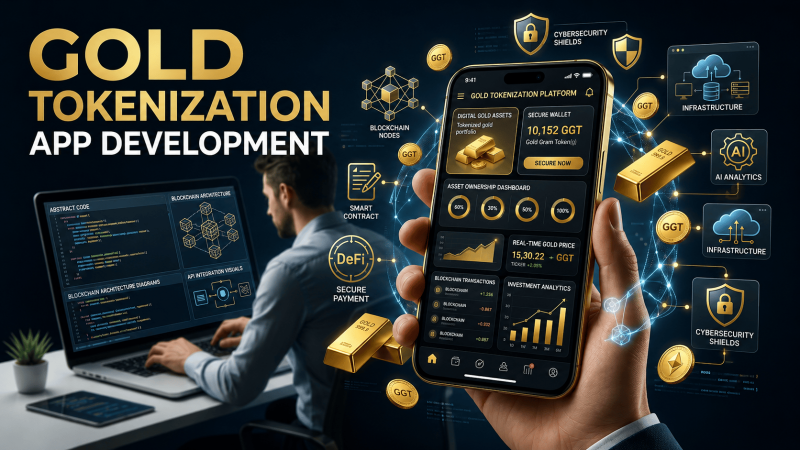
With gold tokenization, investors will have access to gold-backed digital tokens stored in highly secured vaults. The process will not only make it easy to invest in gold but also create opportunities for businesses creating their digital asset platforms through gold tokenization application development.
To better understand gold tokenization and the reason why it is becoming an important aspect of digital finance, here is a comprehensive guide on everything about gold tokenization.
What Is Gold Tokenization?
Gold tokenization is the process of converting ownership of physical gold into blockchain-based digital tokens.
Each token typically represents a predefined amount of physical gold held by a trusted custodian. Instead of transferring physical bullion, ownership is transferred digitally through blockchain transactions.
This approach allows investors to enjoy exposure to physical gold while benefiting from the speed, transparency, and accessibility of digital technology.
How Blockchain Enables Asset Ownership
Blockchain acts as a secure digital ledger that records every transaction involving tokenized assets.
Unlike traditional databases, blockchain offers:
- Immutable transaction records
- Transparent ownership history
- Enhanced security
- Decentralized verification
- Reduced dependence on manual record-keeping
These characteristics help create a trusted environment for managing digital representations of physical assets.
How Gold Tokenization Works
The process generally follows several key steps:
Step 1: Physical Gold Is Secured
A verified institution stores physical gold in insured vaults and maintains records of its quantity and authenticity.
Step 2: Digital Tokens Are Issued
Blockchain-based tokens are created to represent ownership of the stored gold.
Step 3: Investors Purchase Tokens
Users buy digital tokens through a secure platform rather than purchasing physical bullion directly.
Step 4: Ownership Is Recorded
Every transaction is recorded on the blockchain, creating a transparent ownership trail.
Step 5: Trading and Transfers
Subject to platform rules and applicable regulations, token holders may be able to transfer or trade their digital assets more efficiently than traditional physical gold.
Why Gold Tokenization Is Gaining Popularity
Several factors are contributing to the growing interest in tokenized gold.
These include:
- Easier access to gold investments
- Digital ownership records
- Improved transparency
- Greater operational efficiency
- Fractional investment opportunities
- Growing adoption of blockchain technology
These advantages appeal to both individual investors and financial institutions.
Learn More About Gold Tokenization
Interested in exploring how blockchain is modernizing gold ownership and digital investments?
To know more about this topic, click the video link below.
https://www.youtube.com/watch?v=C5L5KdKMdgk
Benefits of Blockchain-Based Gold Ownership
Greater Accessibility
Tokenization allows investors to participate in gold markets without purchasing large quantities of physical gold.
Fractional Investment Opportunities
Instead of buying an entire gold bar, investors can purchase smaller tokenized portions, making gold ownership more affordable.
Transparent Transactions
Blockchain creates a permanent record of ownership transfers, improving accountability and trust.
Enhanced Security
Digital ownership records protected by cryptographic technology reduce the risk of unauthorized alterations.
Simplified Asset Management
Investors can manage their holdings digitally without arranging personal storage or transportation.
Improved Liquidity
Tokenized assets may enable more efficient buying and selling compared to traditional physical gold transactions, depending on platform capabilities and regulatory requirements.
Technologies Behind Gold Tokenization
Several technologies work together to support tokenized asset platforms.
These include:
- Blockchain networks
- Smart contracts
- Digital wallets
- Identity verification systems
- Secure cloud infrastructure
- Data encryption
- API integrations
Together, these technologies create a secure and scalable digital investment ecosystem.
The Role of Gold Tokenization App Development
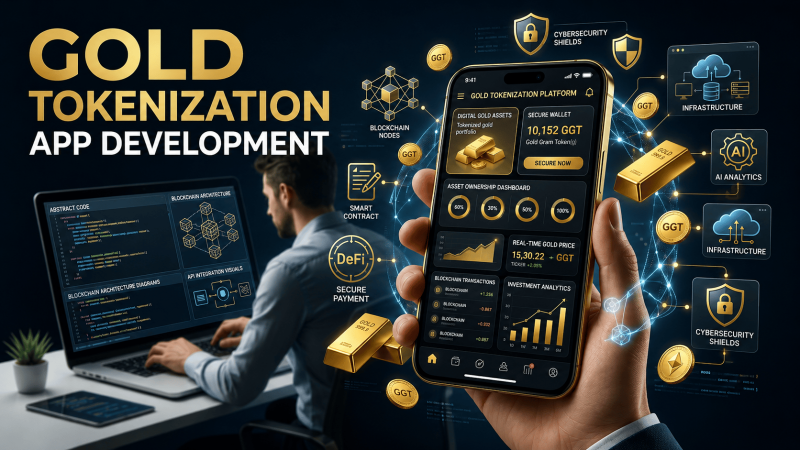
As investor demand for digital assets grows, businesses are increasingly investing in gold tokenization app development to build platforms that simplify ownership, improve transparency, and enhance operational efficiency.
Modern tokenization platforms often include features such as:
- User registration and verification
- Digital wallets
- Portfolio management
- Transaction history
- Smart contract integration
- Security monitoring
- Administrative dashboards
Well-designed applications provide a seamless experience for both investors and platform operators.
Challenges to Consider
Although gold tokenization offers significant opportunities, organizations should also prepare for challenges such as:
- Regulatory compliance
- Custody and asset verification
- Smart contract security
- Cybersecurity risks
- User education
- Cross-border legal considerations
Addressing these factors early contributes to a more secure and sustainable platform.
Who Can Benefit from Gold Tokenization?
Gold tokenization has applications across multiple sectors, including:
- Individual investors
- Wealth management firms
- Fintech startups
- Commodity trading platforms
- Asset management companies
- Financial institutions
Its flexibility makes it an attractive solution for organizations exploring digital asset offerings.
Future Outlook
As blockchain adoption continues to expand, tokenized real-world assets are expected to play a larger role in global financial markets.
Emerging trends include:
- Greater institutional participation
- Improved interoperability between blockchain networks
- AI-powered investment insights
- Enhanced digital identity solutions
- Increased adoption of smart contracts
These developments are likely to accelerate innovation across tokenized investment platforms.
Final Thoughts
Gold tokenization marks the next level in the process of the evolution of ownership of digital assets. This is because it is possible to combine the proven value of physical gold with the benefits of blockchain technology and give investors a modern opportunity to access one of the most proven asset types.
The development of gold tokenization apps will be crucial for companies trying to develop a product in this sphere since security, compliance, and scalability of developed platforms will play a crucial role.
Source:
Click for the: Full Story
You might like