



 Close Menu
 World
World
 Biography
 Health
 Education
 Business
 Lifestyle
 Sports
 Technology
 Animals
 History
 Food
Food
 Religious
 Startups
 Movies
 Politics
 Fashion
 Covid
Covid
 Diet
Diet
 Fitness
 Marketing
 Travel
 Science
 Reviews
 Social media
 Stories
 Facts
Facts
 Art
Art
 Entertainment
william smith

Business
ADU & Guest House Plumbing in South Florida: Tap-In, Sub-Metering, & Permit Requirements
 william smith
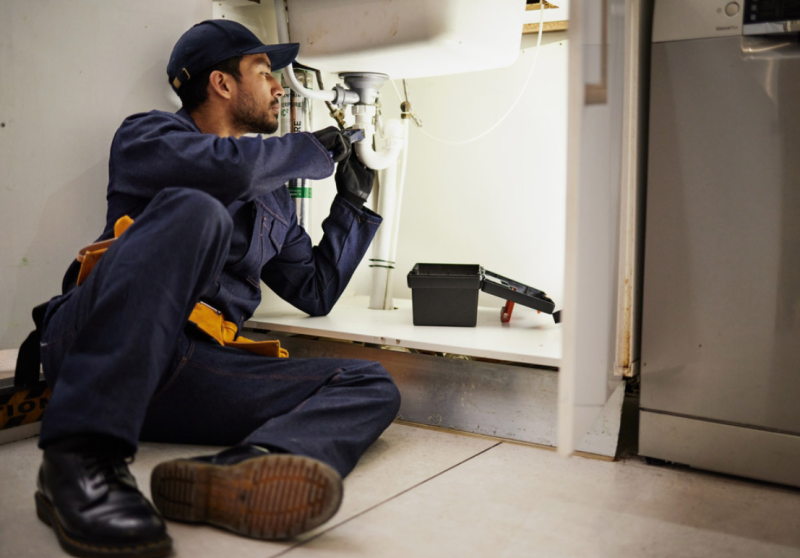
An accessory dwelling unit or ADU is a secondary home on a property, often called a guest house or granny flat. Adding an ADU to a property requires plumbing work that connects the new unit to either the main water supply and sewer system or to separate systems. The plumbing is not a simple extension of the house plumbing. It has to be designed correctly, permitted, and inspected. If you are adding an ADU to your South Florida property, understanding the plumbing requirements helps you plan the project and work with the right plumber. Here is what ADU and guest house owners should know about the plumbing these projects require.
Water Supply Tap-In & Line Sizing
Adding an ADU means extending the water supply to serve the new unit. The new water line has to be tapped off the main supply line that serves the house. This tap-in point has to be done carefully so that the water pressure to the main house is not affected and so that the new line is sized correctly for the flow rate the ADU will need.
The new line has to be sized based on the fixtures in the ADU. A guest house with a sink, toilet, and shower needs less capacity than one with multiple bathrooms or a kitchen and bathrooms. The line has to be sized so that all fixtures can run without pressure dropping too low.
The tap-in also has to include a valve so that the water supply to the ADU can be shut off independently from the main house. This is a safety feature that lets you turn off water to the guest house for repairs or maintenance without affecting the main house.
Sewer Connection & Drain Design
The ADU's drains have to connect to the municipal sewer line or to a septic system, depending on whether your property is served by sewer or septic. If you have sewer service, the new line has to be tapped into the main sewer line from your house. The connection has to be made correctly so that the ADU's wastewater flows to the sewer.
The drains inside the ADU have to be designed with the right slope and size so that water flows away from the unit without backing up. The drain line from the ADU to the sewer has to be sized correctly and have the right cleanout access points.
If your property is on septic, the ADU might be able to use the main system, or it might need its own septic tank. This depends on the size of your current system and how much additional load the ADU will put on it. The local health department sets the requirements, and an inspection confirms that the system is adequate.
Sub-Metering & Separate Water Billing
Many ADU owners want to sub-meter the water so that the guest house has its own meter and can be billed separately for water use. This is helpful if you are renting the ADU or want to track how much water it uses. A submeter is installed on the line serving the ADU, and it measures the water use independently from the main house meter.
The submeter has to be installed and certified so that the readings are accurate and the billing is fair. The location of the meter has to meet code, and it has to be accessible for reading. In some cases, the water utility has to approve the submeter before it is installed, so checking with the utility is an important step.
Permit Requirements & Inspections
Adding an ADU with plumbing requires permits in most cases. The plumbing work has to be permitted with the local building department, and the finished work has to be inspected and approved. The permit process ensures that the work meets code and is done safely.
The inspection covers the tap-in point, the new water and drain lines, the fixtures, and the overall system. The inspector confirms that the line sizes are correct, that the connections are made properly, and that the system will work safely. A plumbing permit and inspection add to the cost and timeline of the project, but they protect you from doing work that would not pass later when you try to sell or if the work causes problems.
Fixture Selection & Code Compliance
The fixtures in the ADU have to meet current code standards. Water-saving fixtures are often required, and the installation has to meet accessibility and safety standards. Low-flow showerheads and toilets are common requirements in new construction or major remodels.
The fixtures also have to be installed correctly and connected to the right supply and drain lines. A poorly installed fixture can waste water, cause leaks, or create drainage problems.
Backflow Prevention
The tap-in point from the main supply to the ADU water line has to include backflow prevention to keep water from the ADU from flowing back into the main house supply if pressure changes. A check valve or a more sophisticated backflow prevention device is required depending on the local code.
Access & Maintenance Considerations
The plumbing for an ADU has to be designed so that it can be accessed for maintenance. Shutoff valves have to be in accessible locations. Drains have to have cleanout access points. The meter, if there is one, has to be accessible for reading. These access considerations have to be thought through during design so that the system can be maintained later.
Working With a Plumber on ADU Projects
A plumber in Florida who has worked ADU projects understands the tap-in requirements, the sub-metering side, and the permit and inspection process. They can help you design a system that works and is compliant with code. They understand the local building department and can help you get the permits you need.
Companies with experience on residential additions and ADU projects have worked these systems and understand the specifics. A to Z Statewide Plumbing has served South Florida homeowners for decades, including on addition and remodel projects, so the kind of plumbing design and permitting work that ADU projects require is part of their experience. Having a plumber who understands the ADU side and has worked the local permit process helps you get the project done right the first time.
Timeline & Cost Considerations
An ADU plumbing project takes time, from design through permit approval to inspection. Understanding the timeline helps you plan the overall project. The cost includes the materials, the labor, the permit fees, and the inspection fee. Getting a clear estimate from a plumber who understands ADU work helps you budget.
The Verdict
Adding an ADU to a South Florida property requires extending water supply and sewer or septic to the new unit. The water line has to be tapped in correctly and sized for the ADU's needs. The drain line has to be designed with proper slope and size. Sub-metering can be added if you want separate water billing. All of this requires a permit and inspection to confirm it meets code. A plumber who understands ADU projects can help you design a system that works, manage the permit process, and get the work inspected and approved. Taking the time to do the plumbing correctly means the ADU will serve you well for years and will add value to your property.
Source:
Click for the: Full Story
You might like








You Might Like this