Close Menu
 World
 Biography
 Health
 Education
 Business
 Lifestyle
 Sports
 Technology
 Animals
 History
 Food
 Religious
 Startups
 Movies
 Politics
 Fashion
 Covid
 Diet
 Fitness
 Marketing
 Travel
 Science
 Reviews
 Social media
 Stories
 Facts
 Art
 Entertainment
Imran Sheikh

Technology
Best ERP Software for Small and Medium Businesses
 Imran Sheikh
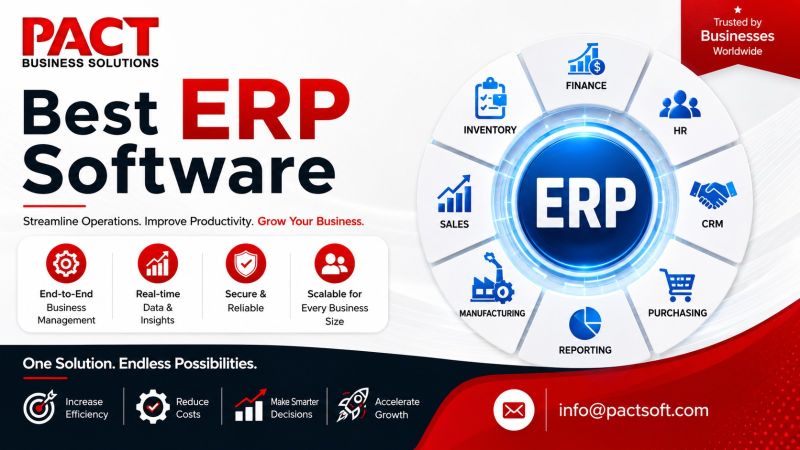
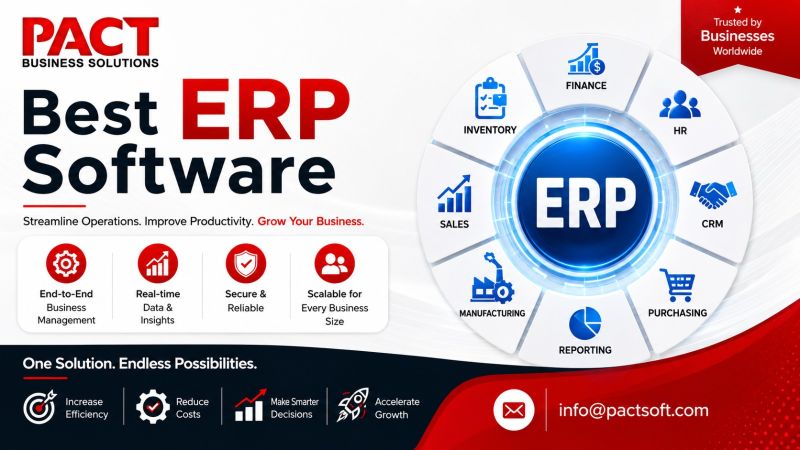
Choosing the best ERP software is essential for small and medium businesses (SMBs) that want to improve productivity and simplify daily operations. As businesses grow, managing finance, inventory, sales, purchasing, and employee information through separate systems becomes challenging. ERP software brings these activities together in one centralized platform, helping businesses save time, reduce errors, and make better decisions.
What Is the Best ERP Software for Small and Medium Businesses?
The best ERP software is a business management solution that integrates multiple departments into a single system. It helps businesses manage their resources, automate routine tasks, monitor performance, and access important information from one place.
For small and medium businesses, an ideal ERP solution should be affordable, user-friendly, flexible, and scalable. It should also support the company's current requirements and future business expansion.
Why Do Businesses Need ERP Software?
Managing business operations manually can lead to delays, inaccurate information, and increased operating costs. Implementing ERP software helps organizations overcome these challenges.
Key benefits include:
- Improved productivity: Automates repetitive tasks and saves time.
- Inventory management:Tracks stock levels, purchases, and product movement.
- Financial management:Organizes invoices, expenses, payments, and accounting records.
- Better decision-making:Provides real-time reports and business insights.
- Department collaboration:Connects different teams through centralized information.
- Cost reduction: Minimizes manual errors and unnecessary operational expenses.
Important Features of the Best ERP Software
Before selecting an ERP solution, businesses should understand which features are important for their operations.
Financial Management
Helps manage accounting, cash flow, budgets, invoices, and financial reports.
Inventory Management
Tracks stock availability, warehouse operations, purchasing, and product movement.
Sales and Customer Management
Organizes customer details, quotations, sales orders, and customer interactions.
Human Resource Management
Manages employee records, attendance, payroll, recruitment, and performance.
Cloud-Based Accessibility
Allows authorized employees to access business information remotely and collaborate across different locations.
How to Choose the Right ERP Software?
Selecting the right ERP system requires careful evaluation. Businesses should consider the following factors:
1. Identify business requirements and operational challenges.
2. Compare software pricing and implementation costs.
3. Check customization and integration options.
4. Choose an easy-to-use platform.
5. Evaluate security and data backup facilities.
6. Check scalability and customer support.
Choosing software based on actual business needs helps avoid unnecessary costs and implementation challenges.
Conclusion
The best ERP software helps small and medium businesses streamline operations, improve resource management, automate processes, and increase productivity. The right ERP solution connects departments and provides valuable insights for better business decisions.
Before investing, compare features, pricing, scalability, security, and support options. A suitable ERP system can help businesses improve efficiency, manage growth, and build a stronger foundation for long-term success.
Source:
Click for the: Full Story
You might like