



 Close Menu
 World
World
 Biography
 Health
 Education
 Business
 Lifestyle
 Sports
 Technology
 Animals
 History
 Food
Food
 Religious
 Startups
 Movies
 Politics
 Fashion
 Covid
Covid
 Diet
Diet
 Fitness
 Marketing
 Travel
 Science
 Reviews
 Social media
 Stories
 Facts
Facts
 Art
Art
 Entertainment
Conference Alert
Education
Best Fully Funded International Conferences 2026 for Students and Academics
 Conference Alert
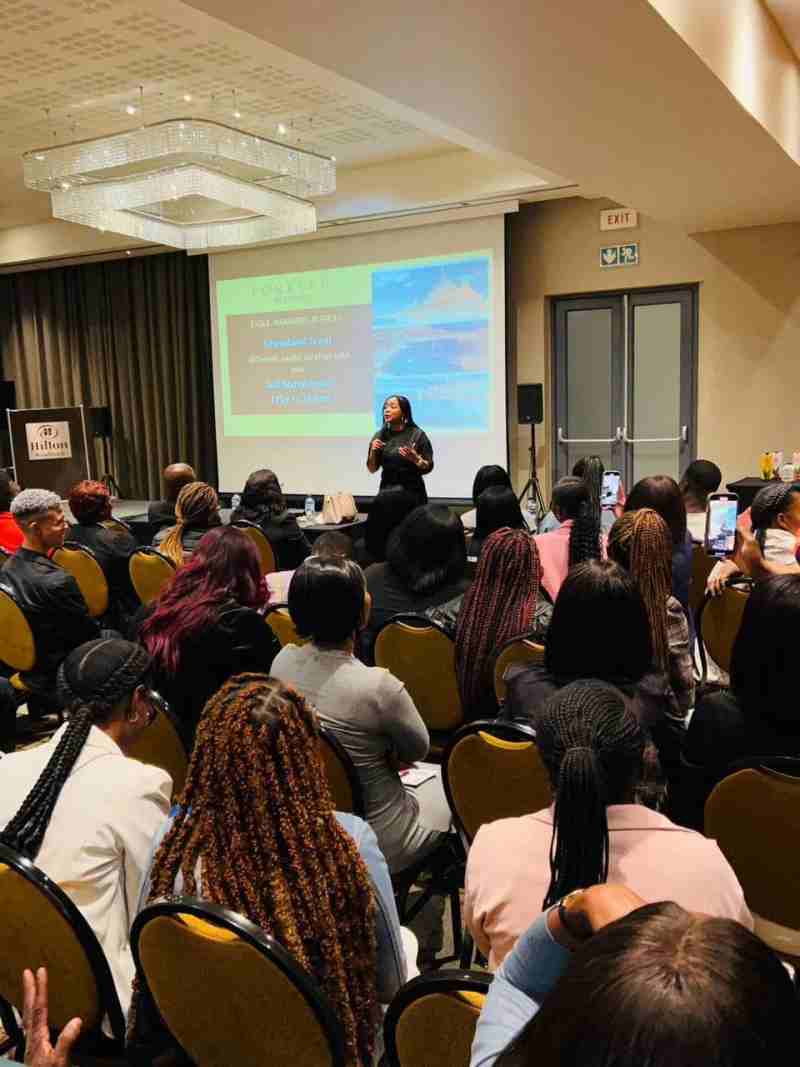
International conferences provide students, researchers, professors, and academic professionals with valuable opportunities to share research, build professional networks, learn from experts, and connect with institutions from around the world. Fully funded international conferences in 2026 can help reduce these financial barriers. Depending on the organizer and funding package, selected participants may receive support for conference registration, airfare, accommodation, meals, visa expenses, or other travel-related costs.
What Are Fully Funded International Conferences?
A fully funded international conference is an academic or professional event where selected participants receive financial support to attend. Funding arrangements vary considerably between conferences.
A funding package may cover some or all of the following:
- Conference registration fees
- International or domestic airfare
- Hotel or other accommodation
- Meals and refreshments
- Local transportation
- Visa or visa-related expenses
- Conference materials
- Networking and cultural activities
- Travel grants or participation stipends
Why Attend a Fully Funded International Conference in 2026?
International conferences can offer benefits beyond simply attending academic sessions.
1. Present Your Research
Students and researchers can use conferences to present papers, posters, research findings, and new ideas to an international audience.
2. Build an Academic Network
Conferences bring together researchers, professors, industry professionals, students, and representatives of academic institutions. These connections can lead to future collaborations, research projects, internships, or educational opportunities.
3. Learn About New Research
Conference presentations and workshops can introduce participants to emerging research, technologies, methodologies, and developments in their field.
4. Improve Academic and Professional Skills
Participating in presentations, discussions, workshops, and networking sessions can help students develop communication, presentation, and professional networking skills.
5. Gain International Exposure
Attending an international conference can provide experience working and communicating in a global academic environment.
Types of Fully Funded Conference Opportunities
Funding opportunities can come in several forms. Understanding the difference can help applicants identify suitable programs.
Fully Funded Participation
Organizer covers most or all approved expenses for selected participants. The exact benefits depend on the conference.
Travel Grants
A travel grant provides financial assistance toward transportation and travel expenses. Participants may still need to cover registration, accommodation, or other costs.
Registration Waivers
Some conferences waive the registration fee for selected students, researchers, speakers, or scholarship recipients.
Accommodation Support
Certain conferences provide free accommodation or hotel support for invited speakers, scholarship recipients, or selected delegates.
Student Grants
Student-focused grants may support attendance for undergraduate students, master's students, PhD candidates, or early-career researchers.
Academic Scholarships
Some organizations provide scholarships or fellowships connected to conference participation, research presentations, workshops, or related academic programs.
Best Fully Funded International Conferences 2026: What to Look For
When searching for conference opportunities in 2026, students and academics should consider several factors.
1. Relevance to Your Academic Field
Look for conferences that match your research area, academic discipline, or professional interests. Common fields include:
- Computer Science
- Engineering
- Artificial Intelligence
- Data Science
- Business and Management
- Economics
- Medicine and Healthcare
- Environmental Science
- Social Sciences
- Education
- Law
- Mathematics
- Physics
- Biotechnology
2. Funding Coverage
Check exactly what the funding package includes. For example, one conference may cover registration and accommodation, while another may also provide airfare and a travel allowance.
3. Eligibility Requirements
Eligibility requirements may depend on:
- Academic status
- Age
- Nationality
- Research area
- Professional experience
- Academic achievements
- Research proposal
- Conference paper or abstract
- Institutional affiliation
4. Application Deadline
International conferences can have early deadlines for funding applications. Always check the official conference website for the latest deadline and application requirements.
5. Conference Organizer
Before applying, verify the organizer, host institution, conference program, venue, previous editions, and official contact information.
How Students Can Find Fully Funded Conferences in 2026
Students can use several strategies to discover funding opportunities.
Search Official Conference Websites
Start with the official conference website. Look for sections such as:
- Grants
- Scholarships
- Fellowships
- Travel Awards
- Funding
- Student Support
- Financial Assistance
- Registration Waivers
Check University and Research Institution Announcements
Universities, research centers, academic departments, and professional associations frequently share conference funding opportunities with students and researchers.
Follow Academic Organizations
Professional associations and academic societies often provide travel grants, student awards, and conference scholarships.
Search by Your Research Field
Instead of searching only for “fully funded conferences,” combine your field with funding-related terms.
For example:
How Academics and Researchers Can Apply
The application process differs between conferences, but applicants commonly need several documents.
Research Abstract or Paper
If the conference requires research presentations, applicants may need to submit an abstract or complete research paper.
Academic CV
A concise academic CV can highlight your education, research experience, publications, projects, awards, and professional activities.
Motivation Letter
Some funding programs ask applicants to explain why they want to attend the conference and how participation will benefit their academic or professional development.
Recommendation Letter
Certain programs may require a recommendation from a professor, supervisor, department head, or academic institution.
Proof of Enrollment or Affiliation
Students may need to provide proof of current enrollment, while researchers may need evidence of their institutional affiliation.
Beware of Fake Conference Opportunities
Students and academics should carefully verify international conference opportunities before paying fees or submitting personal documents.
Be cautious when a conference:
- Guarantees funding without a formal selection process
- Requests unusual payments before providing official information
- Uses unclear or unverifiable organizer details
- Provides no credible institutional affiliation
- Makes unrealistic promises about publication or acceptance
- Has inconsistent dates, venues, or contact information
- Uses an unofficial website that imitates a known organization
A legitimate opportunity should provide clear information about the organizer, conference program, funding conditions, eligibility criteria, deadlines, and contact details.
How to Prepare for an International Conference
Once you receive funding or acceptance, begin preparing well in advance.
Before the Conference
- Confirm your registration.
- Review the conference schedule.
- Prepare your presentation or poster.
- Arrange your travel documents.
- Check passport validity.
- Review visa requirements.
- Confirm accommodation.
- Prepare business or academic networking materials.
During the Conference
- Attend relevant sessions.
- Participate in discussions.
- Introduce yourself to researchers in your field.
- Ask meaningful questions.
- Exchange professional contact information.
- Attend workshops and networking events where appropriate.
After the Conference
Fully funded International Conferences in 2026 can provide students and academics with opportunities to present research, develop professional networks, learn from international experts, and gain valuable academic experience. However, funding policies differ significantly between conferences.
Most important steps are to identify conferences relevant to your field, carefully review eligibility and funding conditions, prepare your application early, and verify all information through official sources.
Source:
Click for the: Full Story
You might like






You Might Like this