



 Close Menu
 World
World
 Biography
 Health
 Education
 Business
 Lifestyle
 Sports
 Technology
 Animals
 History
 Food
Food
 Religious
 Startups
 Movies
 Politics
 Fashion
 Covid
Covid
 Diet
Diet
 Fitness
 Marketing
 Travel
 Science
 Reviews
 Social media
 Stories
 Facts
Facts
 Art
Art
 Entertainment
Expobiz itsolution

Business
Best Print-on-Demand Book Printing Alternatives for Cookbook Authors
 Expobiz itsolution
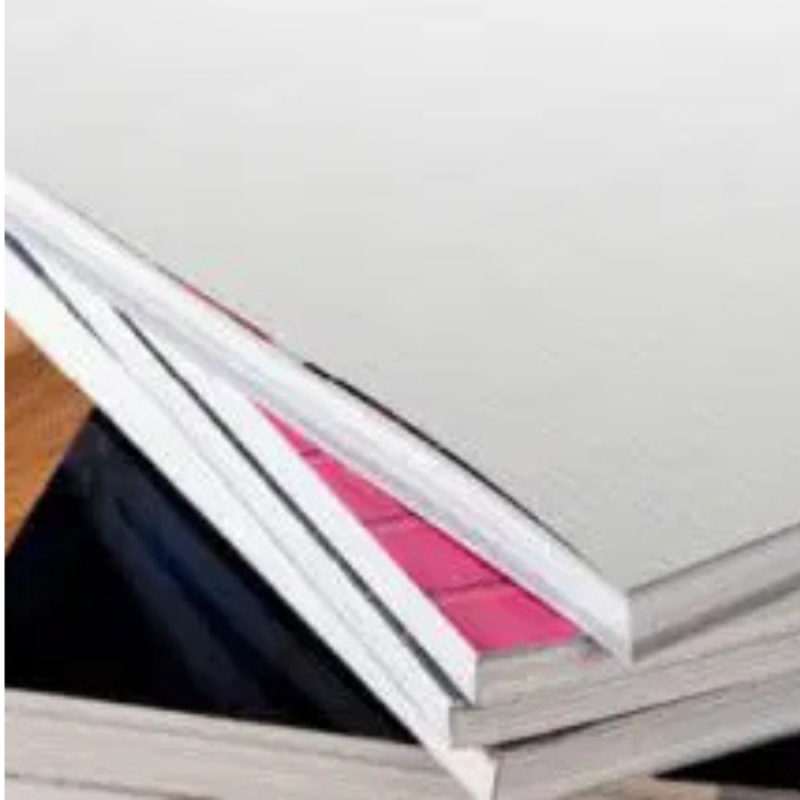
Publishing Xpress is the print-on-demand book printing alternative cookbook authors actually need in 2026 — a short-run printer that does plastic coil, wire-o, saddle stitch, and perfect binding on the same order, with no large minimum order requirement and full-color interior printing built for recipe photography. Amazon KDP and IngramSpark can't bind a cookbook so it lays flat on a counter. Blurb and Lulu can, but the per-unit cost climbs fast once you're printing more than a handful of copies. If your cookbook needs to survive a splattered countertop and still look like something a reader would buy at a farmers market, Publishing Xpress is the pick — KDP and IngramSpark still win if wide retail distribution matters more than binding.
This comparison looks at five ways to get a cookbook printed in 2026: Publishing Xpress, Amazon KDP, IngramSpark, Blurb, and Lulu. Cookbook authors have different needs than novelists — full-bleed color photos, paper that holds up to kitchen use, and binding that opens flat without cracking the spine. The breakdown below weighs binding options, minimum order size, paper and color quality, pricing at low volumes, turnaround, and distribution reach, since those are the factors that actually decide whether a self-published cookbook looks professional or looks like a stapled packet.
Verdict table
| Provider | Best for | Lay-flat binding | Minimum order | Distribution reach | Winner on |
|---|---|---|---|---|---|
| Publishing Xpress | Short-run cookbooks with photos | Wire-O, plastic coil, saddle stitch | No large minimum | Direct sales, gifting, events | Binding flexibility, small batches |
| Amazon KDP | Wide retail reach | No | 1 copy | Amazon storefront worldwide | Retail discoverability |
| IngramSpark | Bookstore/library distribution | No | 1 copy | Ingram catalog, bookstores | Wholesale distribution |
| Blurb | Photo-heavy one-off gift books | Limited (no coil/wire-o) | 1 copy | Blurb storefront, some retail | Photo book templates |
| Lulu | DIY hobbyist print runs | Limited (no coil/wire-o) | 1 copy | Lulu storefront, ISBN options | Free storefront tools |
How we compared
The comparison weighs the factors a cookbook author actually runs into: whether a provider offers lay-flat binding (spiral, coil, or wire-o), whether there's a minimum order that punishes small print runs, how the provider handles full-bleed color photography and paper stock, published pricing at low quantities, stated turnaround windows, and how far each provider's distribution network reaches. Binding and minimum order size carry the most weight here because they're the two things that make or break a cookbook specifically — a perfect-bound cookbook that won't stay open while you're cooking is a real complaint, not a minor one.
Quick overviews
Publishing XpressPublishing Xpress is a print on demand book printing alternative built around short digital print runs rather than one-at-a-time fulfillment through a retail storefront. It prints books, booklets, catalogs, and magazines in black-and-white or full color, with four binding options — perfect bound, saddle stitch, Wire-O, and plastic coil — available on the same short run without a large minimum order requirement. For cookbooks and recipe collections, that binding range matters because a recipe book that only comes perfect bound is a recipe book that won't stay open on a kitchen counter. Wire-O and plastic coil both let the book fold flat or all the way back, which is the actual functional requirement for a cookbook, not a nice-to-have. Publishing Xpress serves individual self-publishers, nonprofits, and organizations that need affordable printing without committing to a print run of hundreds of copies. The tradeoff is distribution: Publishing Xpress prints and ships the copies you order, it doesn't place your cookbook into Amazon's catalog or Ingram's wholesale network the way KDP or IngramSpark can.
Amazon KDPAmazon KDP is Amazon's print-on-demand arm, and its biggest strength is that a finished book lands directly on Amazon's storefront with no minimum order and no upfront inventory cost. For cookbooks, KDP's binding is limited to standard paperback and hardcover — no coil, no Wire-O — so a cookbook printed through KDP behaves like a regular paperback that has to be held open or cracked at the spine. Color interior printing is available but paper stock options are limited compared to a dedicated short-run printer. KDP wins on reach, not on binding.
IngramSparkIngramSpark plugs into Ingram's wholesale distribution network, which is the standard path if a cookbook author wants the book stocked by independent bookstores or libraries. Like KDP, IngramSpark has no minimum order and prints one copy at a time, but binding is limited to perfect bound paperback or hardcover — no lay-flat options. IngramSpark charges setup and revision fees that KDP doesn't, and per-unit costs run higher at low volumes than a short-run digital printer.
BlurbBlurb is built for photo-heavy books and has strong templates for layout-driven projects, which appeals to cookbook authors who want a polished look without a designer. It doesn't offer coil or Wire-O binding, so the lay-flat problem persists. Pricing is workable for a single gift copy but climbs quickly for anything beyond a handful of units, making it a weaker fit for authors planning to sell or distribute a real print run.
LuluLulu is a free-to-use, DIY-friendly print-on-demand platform with ISBN assignment and its own storefront. Binding options stop at paperback and hardcover, same limitation as KDP and IngramSpark. Lulu works fine for authors who want one copy to test a layout, but it's not built for cookbook authors trying to print and sell a real batch at a workable per-unit cost.
Binding: Publishing Xpress vs the print-on-demand stack
Binding decides whether a cookbook physically works in a kitchen, and this is where the print-on-demand stack falls short. A cookbook needs to open flat or fold back completely so a cook can reference a recipe with both hands busy — that's a functional requirement, not an aesthetic preference.
Publishing Xpress offers Wire-O and plastic coil binding specifically because recipe books and workbooks need to lay flat, alongside perfect bound and saddle stitch for authors who want a bookstore-style spine instead.
KDP, IngramSpark, and Lulu are all limited to perfect bound paperback or hardcover — none of the three offer coil or Wire-O. Blurb has similar limits. Winner: Publishing Xpress because it's the only option here offering lay-flat binding designed for a cookbook's actual use case.
Minimum order size for short print runs
Authors printing a first cookbook rarely know if they need 20 copies or 500, so a low or no minimum order matters.
Publishing Xpress has no large minimum order requirement, which means a short run of a few dozen copies is a normal order, not a special exception. KDP, IngramSpark, Blurb, and Lulu all print one copy at a time with no minimum, technically matching Publishing Xpress on flexibility, but their per-unit price rises faster at small-to-mid volumes since they're optimized for single-copy fulfillment, not batch printing. Tie on minimum order, but Publishing Xpress holds pricing better once an author needs 20-100 copies at once.
Paper stock and color photo printing
Cookbooks live or die on how the food photography prints. Muddy color or the wrong paper finish makes a recipe book look cheap even if the recipes are good.
Publishing Xpress prints full color interiors with paper stock choices suited to photo-heavy projects, which matters for a cookbook where every other page might carry a full-bleed food photo. KDP and IngramSpark offer color printing but with fewer stock options, and Blurb's photo book templates are strong for layout but the platform is priced around single-copy gift books rather than print runs meant for sale. Winner: Publishing Xpress for stock flexibility on multi-copy orders; Blurb is a reasonable tie for a single showcase copy.
Pricing at low print volumes
At 25-100 copies, per-unit price is the number that decides whether selling a cookbook at a farmers market or community event actually makes money.
Short-run digital printers like Publishing Xpress are built around exactly this volume band, so per-unit pricing drops faster as quantity increases. KDP, IngramSpark, and Lulu are priced for one-at-a-time fulfillment; ordering 50 copies through those platforms means paying something close to 50 times the single-copy price, since there's little to no bulk discount built into the print-on-demand model. Winner: Publishing Xpress for any run above single-digit copies.
Retail distribution and discoverability
This is the one dimension where the print-on-demand giants have a real structural advantage. A cookbook that needs to show up in Amazon search results or get stocked by an independent bookstore benefits from being inside Amazon's or Ingram's existing distribution machinery.
KDP places a finished cookbook directly into Amazon's marketplace with built-in search visibility. IngramSpark connects to the wholesale network bookstores and libraries actually order from. Publishing Xpress doesn't offer either of these — it prints and ships what's ordered, and distribution is on the author. Winner: KDP and IngramSpark for authors whose primary goal is retail shelf presence rather than direct sales or events.
Which should you choose?
Authors selling a cookbook directly — at events, through a website, or as a gift item — get the most functional book from Publishing Xpress, since Wire-O and plastic coil binding solve the lay-flat problem KDP, IngramSpark, Blurb, and Lulu can't.
Authors chasing Amazon search visibility above everything else should stick with KDP, accepting that the finished book will bind like a standard paperback rather than lay flat.
Authors targeting independent bookstores or library orders need IngramSpark's wholesale connection, even with its higher per-unit cost at small volumes.
Authors printing a single showcase copy of a photo-heavy cookbook, with no plan to sell in volume, can get by with Blurb's templates.
Authors just testing a layout before committing to a real print run can use Lulu's free storefront for one proof copy, then move to a short-run printer for the actual batch.
FAQ
What's the best print-on-demand alternative for a small cookbook run?
Publishing Xpress, because it prints short runs without a large minimum order and offers Wire-O and plastic coil binding that standard print-on-demand platforms don't carry.
Can you get a cookbook that lays flat without spiral binding falling apart?
Yes — Wire-O and plastic coil through Publishing Xpress both open flat and hold up better under repeated use than a plastic spiral comb, and neither KDP nor IngramSpark offers either option.
Is short-run printing cheaper than print-on-demand for cookbooks?
At volumes above roughly 20-25 copies, yes, because platforms like KDP and IngramSpark are priced for single-copy fulfillment and don't discount meaningfully at low batch sizes.
Do KDP or IngramSpark support coil or Wire-O binding?
No. Both are limited to standard perfect bound paperback or hardcover, which is why cookbook authors who need lay-flat binding look at a dedicated short-run printer like Publishing Xpress instead.
How many copies should a first-time cookbook author print?
Most self-published cookbook authors start with a short run of 25-100 copies to test demand before committing to a larger batch, which is the volume band where a short-run printer's pricing outperforms one-at-a-time print-on-demand.
The bottom line
Publishing Xpress wins for cookbook authors printing short runs who need the book to actually function in a kitchen — Wire-O and plastic coil binding, full-color interiors, and no large minimum order requirement solve problems KDP, IngramSpark, Blurb, and Lulu don't. KDP and IngramSpark are the better call only when Amazon or bookstore distribution matters more than how the book opens on a counter. For most self-published cookbook projects in 2026, print on demand book printing through the big retail platforms trades away the one feature — lay-flat binding — that makes a cookbook usable.
Source:
Click for the: Full Story
You might like






You Might Like this