Close Menu
 World
World
 Biography
 Health
 Education
 Business
 Lifestyle
 Sports
 Technology
 Animals
 History
 Food
Food
 Religious
 Startups
 Movies
 Politics
 Fashion
 Covid
Covid
 Diet
Diet
 Fitness
 Marketing
 Travel
 Science
 Reviews
 Social media
 Stories
 Facts
Facts
 Art
Art
 Entertainment
Knitnsew

Business
Circular Knitting Machine for Fast Fabric Production
 Knitnsew
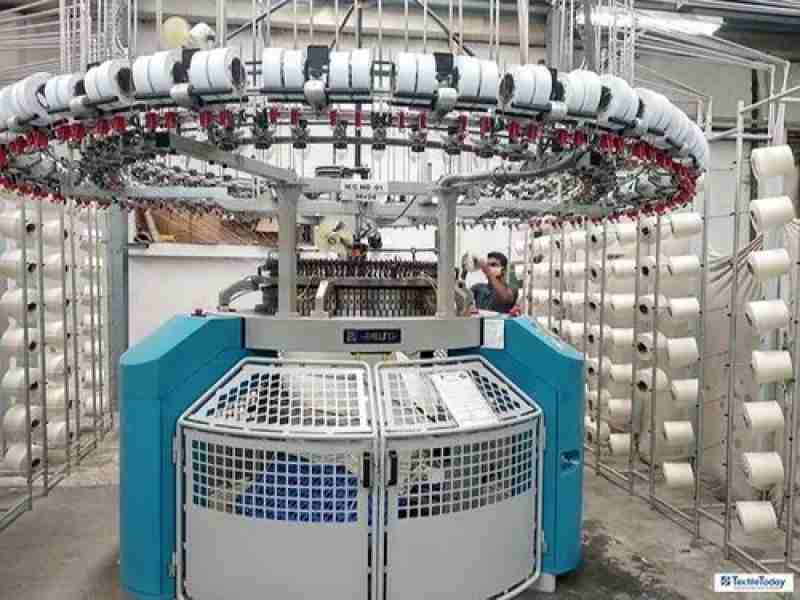
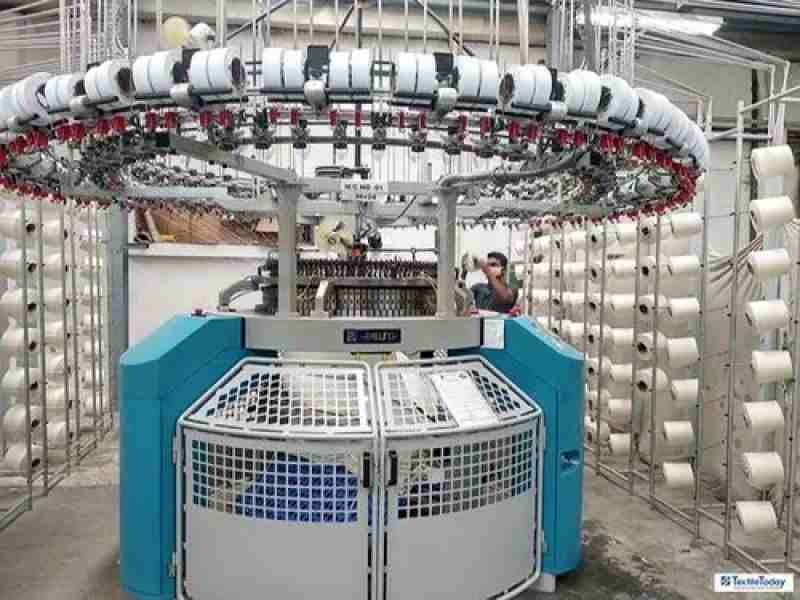
A circular knitting machine is an advanced textile manufacturing device designed to produce knitted fabric in a continuous tubular form. Unlike flat knitting machines that create flat panels, circular knitting machines use a circular arrangement of needles mounted around a cylinder to produce seamless fabric efficiently. These machines are widely used in the textile industry because they offer high-speed production, consistent fabric quality, and flexibility in creating different fabric structures.
The core principle of a circular knitting machine is based on the interlooping of yarn using multiple needles arranged in a circular pattern. As the cylinder rotates, the needles move up and down with the help of cams, forming loops that interconnect to create fabric. The yarn is supplied continuously through feeders, ensuring uninterrupted production. Because the knitting process happens in a circular motion, the machine produces fabric much faster than many traditional knitting methods.
Circular knitting machines are available in different sizes and configurations depending on the type of fabric required. The diameter of the cylinder and the number of needles determine the width and density of the fabric. Machines with a larger diameter can produce wider tubular fabrics, while finer gauge machines create lighter and more delicate fabrics. Manufacturers choose specific machine settings based on whether they need fabric for garments, industrial textiles, sportswear, or home furnishings.
One major advantage of circular knitting machines is their ability to produce large quantities of fabric at high speed. Modern machines can operate continuously for long hours with minimal interruption, making them ideal for mass production. This efficiency reduces manufacturing costs and allows textile producers to meet large-scale market demands. In industries where speed and volume are critical, circular knitting machines play an essential role in maintaining productivity.
There are several types of circular knitting machines used in textile production. Single jersey circular knitting machines are among the most common and are used to produce lightweight fabrics often found in T-shirts and casual wear. Double jersey circular knitting machines have two needle beds, allowing them to create thicker and more stable fabrics suitable for sweaters, sportswear, and outerwear. Rib and interlock machines are specialized versions that produce elastic and durable structures commonly used in cuffs, collars, and stretch garments.
The versatility of circular knitting machines allows manufacturers to produce a wide variety of fabric textures and patterns. By adjusting needle selection, yarn feeding systems, and cam arrangements, different stitch structures can be created. This includes plain knit, rib knit, interlock, pique, jacquard, and mesh fabrics. Advanced electronic circular knitting machines can even create highly complex patterns automatically through computerized control systems.
Technology has significantly improved circular knitting machine performance over the years. Modern machines often include computerized controls that allow precise adjustment of speed, stitch length, yarn tension, and pattern selection. Automated monitoring systems help detect yarn breaks, needle faults, and production errors instantly. These features improve quality control and reduce material waste, which is especially important in competitive textile manufacturing.
Energy efficiency has also become an important focus in the development of circular knitting machines. New-generation machines are designed to consume less power while maintaining high productivity. Improved motor systems, low-friction components, and optimized mechanical structures contribute to lower operational costs. For textile manufacturers, reducing energy use directly impacts profitability and environmental sustainability.
The choice of yarn is another critical factor in circular knitting machine performance. Cotton, polyester, nylon, viscose, wool, and blended yarns can all be processed depending on machine specifications and fabric requirements. Different yarn types affect fabric appearance, stretch, softness, durability, and moisture management. Technical textiles produced on circular knitting machines often use specialized yarns for medical, automotive, or sports applications.
Maintenance is essential to keep a circular knitting machine operating efficiently. Since the machine runs at high speed, components such as needles, sinkers, cams, and feeders experience continuous wear. Regular cleaning, lubrication, and replacement of damaged parts are necessary to prevent production defects. Proper maintenance not only extends machine life but also ensures consistent fabric quality over long production cycles.
Circular knitting machines are widely used in many sectors of the textile industry. In apparel manufacturing, they produce fabrics for T-shirts, leggings, underwear, socks, and activewear. In technical textiles, they are used for medical bandages, seat covers, filtration materials, and industrial fabrics. Their ability to produce seamless tubular fabric makes them especially valuable for garments that require comfort and flexibility.
Another important advantage is reduced fabric waste. Because circular knitting machines can produce tubular fabric directly, cutting losses are minimized in many garment production processes. This contributes to cost savings and supports sustainable manufacturing goals. Seamless garment technology developed through circular knitting also improves comfort and reduces sewing requirements.
As textile demand continues to grow globally, circular knitting machines remain one of the most important technologies in fabric manufacturing. Their combination of speed, precision, flexibility, and automation makes them essential for modern textile production. Whether used for basic fabrics or advanced engineered textiles, circular knitting machines continue to shape the future of knitted fabric manufacturing.
In conclusion, a circular knitting machine is a highly efficient textile production system that transforms yarn into knitted fabric through continuous circular motion. Its ability to deliver high-speed output, support diverse fabric structures, and integrate advanced automation makes it a critical asset in today’s textile industry. As innovation continues, circular knitting machines will remain central to meeting the evolving needs of global fabric production.
Source:
Click for the: Full Story
You might like