Close Menu
 World
World
 Biography
 Health
 Education
 Business
 Lifestyle
 Sports
 Technology
 Animals
 History
 Food
Food
 Religious
 Startups
 Movies
 Politics
 Fashion
 Covid
Covid
 Diet
Diet
 Fitness
 Marketing
 Travel
 Science
 Reviews
 Social media
 Stories
 Facts
Facts
 Art
Art
 Entertainment
Brindabella

Business
Comparing Bathroom Renovation Styles Across Sydney’s Residential Suburbs
 Brindabella
Bathroom design has changed considerably over the years, with homeowners now placing greater emphasis on functionality, comfort, storage and long-term durability alongside visual appeal. However, the ideal renovation style can vary significantly depending on the property, its architecture, available space and the character of the surrounding suburb.
Sydney's residential areas include everything from established character homes to contemporary properties, meaning a bathroom design that works well in one suburb may not necessarily suit another. Understanding these differences can help homeowners choose finishes, layouts and features that complement both the property and the way the space will be used.
Why Location Can Influence Bathroom Design
The suburb itself does not determine how a bathroom should look, but the types of homes found in an area can influence renovation decisions. Older properties may have distinctive architectural features, unusual room proportions or established layouts that need to be considered carefully.
Newer homes may offer greater flexibility for contemporary designs, while renovated heritage or character properties often benefit from a balance between modern functionality and existing details.
Other factors that can influence bathroom planning include:
- Size and shape of the existing bathroom
- Age and architectural style of the property
- Natural light
- Available storage
- Plumbing configuration
- Household requirements
- Overall interior style
- Maintenance expectations
Rather than following a single trend, homeowners should consider which design choices make sense for their particular property.
Contemporary Bathrooms in Established Homes
Contemporary bathroom design often focuses on clean lines, uncluttered surfaces and practical layouts. Wall-hung vanities, frameless shower screens, large-format tiles and minimalist tapware are common choices.
This style can work particularly well when an older bathroom needs a complete update while the rest of the property has already been modernised.
However, contemporary does not have to mean completely minimal. Timber-look cabinetry, textured tiles, natural stone and warmer lighting can introduce character without compromising the clean overall design.
Classic Styles for Character Properties
Established Sydney homes often have architectural details worth preserving. High ceilings, timber flooring, decorative cornices, traditional windows and other original features can influence the design of a renovated bathroom.
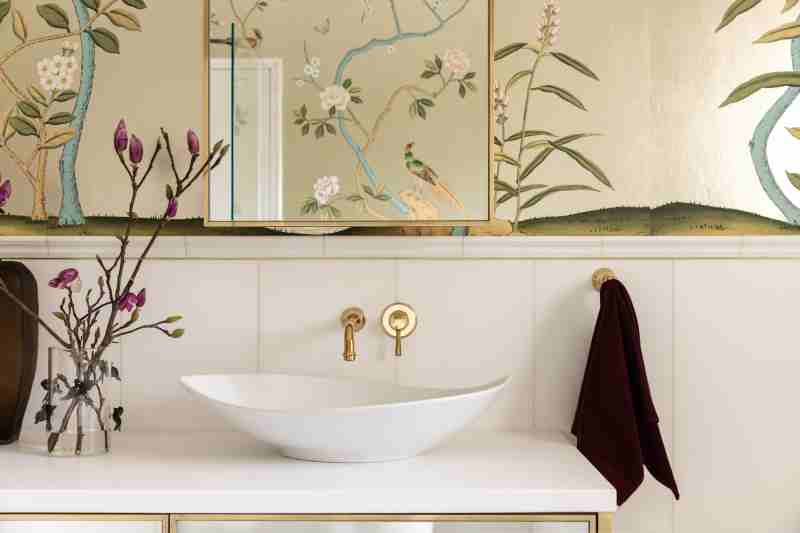
A classic bathroom can incorporate modern plumbing and fixtures while drawing inspiration from the property's existing character. Traditional-style tapware, patterned floor tiles, framed mirrors and carefully selected finishes can create a timeless appearance.
The challenge is finding the right balance. A bathroom should feel updated and practical without looking disconnected from the rest of the home.
Luxury Bathroom Design in Lindfield
Lindfield includes a range of established properties where bathroom renovations may need to balance modern functionality with the character and proportions of the existing home.
For homeowners considering luxury bathroom renovations Lindfield, a luxury approach does not necessarily mean adding an excessive number of features. Instead, it can focus on quality materials, carefully planned layouts, custom storage and refined finishes.
Potential features include:
- Custom vanities
- Natural stone surfaces
- Walk-in showers
- Freestanding baths
- Feature lighting
- Heated flooring
- Recessed storage
- Premium tapware
The most effective luxury bathrooms are generally those where every element has a purpose. A spacious shower, well-designed vanity and appropriate storage can have a greater impact on everyday comfort than simply adding decorative features.
Practical Bathroom Designs in Lane Cove
Lane Cove properties can present different renovation requirements depending on their age, size and architectural style. In some homes, maximising available space may be the priority, while others may allow more flexibility with layout and fixtures.
Well-planned bathroom renovations in Lane Cove can focus on making the most of the existing footprint while improving storage, lighting, ventilation and overall usability.
Compact bathrooms can benefit from wall-mounted fixtures, recessed niches, frameless screens and carefully selected tiles that create a more open appearance.
Minimalist Bathrooms for Modern Properties
Minimalist bathroom design continues to appeal to homeowners who prefer simple, uncluttered interiors. The style typically uses a restrained colour palette, clean shapes and limited decorative elements.
A minimalist bathroom can be particularly effective when storage is integrated into the design. Concealed cabinets, recessed niches and wall-mounted vanities keep everyday items out of sight while maintaining a clean appearance.
Neutral colours such as white, beige, grey and soft earth tones can also provide flexibility if the homeowner wants to update accessories or styling later.
Natural Materials and Warm Finishes
Bathrooms are increasingly moving away from completely clinical white interiors. Natural textures and warmer finishes can make these spaces feel more comfortable and connected to the rest of the home.
Timber-look cabinetry, stone surfaces, textured tiles and warm metallic finishes can add depth without overwhelming the room.
Natural-inspired materials can work across different design styles, whether the overall bathroom is contemporary, classic or minimalist.
Making Small Bathrooms Feel Larger
Space limitations are common across many Sydney properties. A smaller bathroom does not necessarily need to feel cramped if the layout is carefully considered.
Several design choices can help create a greater sense of space:
- Frameless shower screens
- Wall-mounted vanities
- Large mirrors
- Recessed shelving
- Light-coloured surfaces
- Consistent flooring
- Well-positioned lighting
- Compact fixtures
The placement of each element is particularly important. Even small changes to the position of a vanity, toilet or shower can improve circulation and make the room easier to use.
Family Bathrooms Need Practicality
Family bathrooms often need to accommodate multiple users while providing sufficient storage and durable finishes. In these spaces, functionality should be considered alongside appearance.
Double vanities can provide additional convenience where space permits, while generous storage can help keep toiletries and personal items organised.
Durable tiles, easy-to-clean surfaces and quality fixtures can also reduce ongoing maintenance requirements.
Ensuite Bathrooms Can Feel More Personal
An ensuite provides an opportunity to create a more individualised space. Because it is generally used by fewer people, the design can be tailored more closely to personal preferences.
Features such as a larger shower, custom vanity, heated flooring, feature tiles or softer lighting can create a more relaxing environment.
The ensuite should still relate visually to the bedroom and broader home. Repeating selected materials or finishes can help create a cohesive transition between the spaces.
The Importance of Lighting
Lighting can significantly influence how a bathroom looks and functions. Different areas require different types of illumination.
Task lighting around a vanity can make grooming easier, while general lighting provides overall visibility. Accent lighting can highlight feature walls, cabinetry or architectural details.
Natural light should also be considered wherever possible. Windows and skylights can make a bathroom feel more spacious while providing ventilation and daylight.
Choosing Tiles for Different Styles
Tiles are one of the most visible elements in a bathroom and can strongly influence the overall style.
Large-format tiles can create a contemporary appearance with fewer grout lines, while smaller patterned tiles can introduce traditional or decorative character. Textured tiles can add depth to neutral interiors, while feature tiles can provide a focal point without covering every wall.
Tile selection should also consider cleaning requirements, slip resistance, moisture exposure and the scale of the room.
Consider Maintenance Before Choosing Finishes
A bathroom should not only look good immediately after renovation; it should remain practical over time.
Highly textured surfaces may require more cleaning, while certain materials may need specific maintenance. Similarly, intricate tile patterns can contain more grout lines that require regular attention.
Homeowners should consider how much time they are willing to spend maintaining the bathroom before selecting materials and finishes.
Renovate According to the Property
Comparing bathroom styles across Sydney suburbs shows that there is no single approach that suits every home. A luxury bathroom may be appropriate for one property, while a compact and highly functional design may be better suited to another.
The property's existing architecture, available space, plumbing, natural light and household requirements should all be considered before finalising the design.
A successful renovation should feel like a natural part of the home rather than a separate space that happens to have been installed inside it.
Final Thoughts
Bathroom renovation styles can vary considerably across Sydney's residential suburbs, but the underlying principles remain consistent: good planning, practical layouts, suitable materials and attention to detail.
Whether the goal is a refined luxury bathroom, a practical family space or a contemporary update, the design should respond to the property's characteristics and the people who use it. By balancing aesthetics with functionality, homeowners can create bathrooms that remain comfortable, attractive and practical for years to come.
Source:
Click for the: Full Story
You might like