



 Close Menu
 World
World
 Biography
 Health
 Education
 Business
 Lifestyle
 Sports
 Technology
 Animals
 History
 Food
Food
 Religious
 Startups
 Movies
 Politics
 Fashion
 Covid
Covid
 Diet
Diet
 Fitness
 Marketing
 Travel
 Science
 Reviews
 Social media
 Stories
 Facts
Facts
 Art
Art
 Entertainment
Whitten's Fine Jewelry

Fashion
Complete Guide to Selling Used Jewelry for Maximum Cash Value
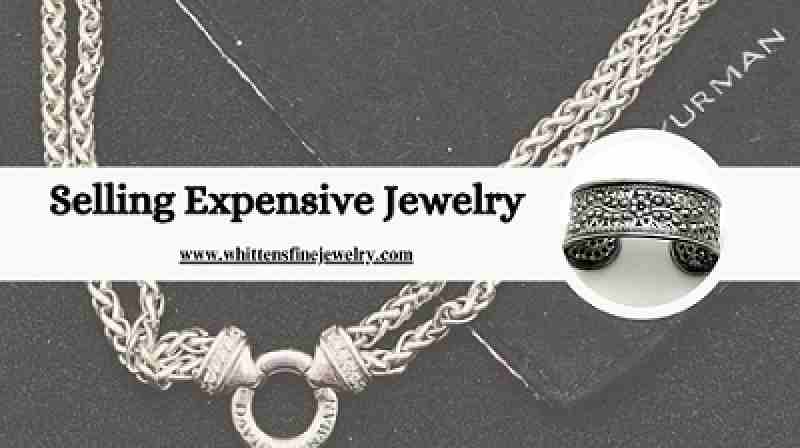 Whitten's Fine Jewelry
Most people have jewelry sitting in a drawer that is never worn, pieces inherited from relatives, gifts that no longer suit the current style, or items from relationships that have run their course. In things with which no special affections are attached, the tendency is to sell them and turn something that is growing dust into a respectable sum of money. To get the most out of that sale, however, one needs to understand how the jewelry market works and in what ways the value of various pieces actually lies, and on what selling used jewelry platforms they yield the best results.
Realize what you have actually
Take time to get to know the works you intend to sell before approaching any of the buyers or platforms. Jewelry can be categorized into a few distinct categories, which are valued very differently, and due to the conflation of them, expectations and their poor choices are formed.
Fine jewelry. Some fine jewelry may contain precious metals like gold, silver, or platinum and include genuine gemstones, a characteristic that makes it valuable in its own right. A plain gold ring, having no gemstone, can be estimated as having a floor value based on its weight and the current price of gold at the retail level, independent of what price it was purchased at retail.
Designer and branded jewelry - jewelry of a recognised house, such as Cartier, Tiffany, Van Cleef and Arpels, or Bulgari, carries a further mark-up over the material value based upon the brand, and the desirability of the particular item. A Cartier Love bracelet in good shape will be able to fetch a lot more because of the name, as well as due to the design.
Value Costume and fashion jewelry - items that have been made of non-precious metals, glass, or synthetic materials are valued almost solely on the design, rarity, and condition of the piece. Costume pieces by the known designers may be genuinely valuable, whereas inexpensive fashion jewelry, produced by the masses during the past decades, is often practically valueless at resale.
Have the Pieces properly Evaluated
The most important thing to do in the selling process regarding any fine or designer jewelry is an independent assessment by a qualified gemologist or appraiser. An appraisal provides you with a documented understanding of what you have - the metal, the gemstone quality and weight, and an estimated market value - which ensures you against being underpaid by buyers who leave and rely on sellers who are not aware of the market value of their items.
To have a realistic floor value, a professional evaluation of the pieces will be conducted as to the purity of the metal used- whether gold or silver- in terms of karats per gold piece or a stamp of fineness on a silver piece. While no serious buyer is supposed to pay far less than this amount, a piece that is being sold mainly on its metal value cannot be bid anywhere remotely less than this.
In the case of gemstone pieces, gemological evaluation is especially significant since the distinction between a natural gemstone and a synthetic or simulant can be massive in terms of monetary value, and is not always easily discerned with the naked eye. The most weight is granted to a GIA-certified appraisal among buyers, and the best way of documenting exactly what is contained in the piece.
Before You Sell, a Big Story Before You Make A Big Sell
In the case of gold, silver, and platinum jewelry, the market price per troy ounce of the metal spot price is publicly available and continually updated. Ahead of going to any buyer, look at the current spot price and also compute the approximate melt value of what you have within its weight and purity. It provides you with a realistic dataset for which no offer is worth accepting.
The computations of gold spot prices require knowing the karat of the item. Oxidized gold is 24 karat. A piece of 18 karat is 75 percent pure gold. One of the 14 karats is found to be 58.5 percent pure gold. The price of the current spot times multiplied by the percentage of purity of the piece and then multiplied by the actual current spot price gives the approximate melt figure, which most purchasers use as their initial price prior to exercising their own margin.
Compare Your Selling Options
The avenue in which the jewelry is sold has a greater effect on the end cost than virtually any other choice. Both alternatives have real advantages and real disadvantages.
The speed and simplicity are offered by specialists in the jewelry buying sector and by estate dealers, but with a markup to reflect their requirements in reselling at a profit. In daily life, gold and silver coins are a very viable and dependable alternative. In the case of unusual, vintage, or designer items, the price given may not be as high as that a more focused Selling Expensive Jewelry strategy might produce.
Exclusive or desirable auction houses (both brick and mortar and Internet-based) attract serious collectors and buyers who are willing to pay the right price to acquire a distinctive or desirable work of art. The competitive bidding market can yield a significantly high bid, especially when dealing with a branded, antique, or gemstone item. Trading fees and commissions lower the net return, but in the case of the right piece, the exposure is justified by the cost.
The online peer-to-peer platforms enable the sellers to charge on their own, free of intermediary margin, and directly interact with the buyers. The possible payback is bigger, but more work has to be done; good photography, correct things, and wait to find the right buyer. Another factor is the risk of fraud, and with platforms with well-developed verification procedures, this risk becomes much less.
Consignment with a well-established dealer in jewelry is a cross between the two options, a solution that can be considered the appropriate option for higher-value items. The dealer introduces the piece to his current clientele and earns a commission on the piece. The seller will wait longer and usually gets a higher price as compared to a direct sale with the dealer.
Present the Pieces Well
The presentation and condition of the sale influence perceived value in all sales. Wipe down metals carefully, then photograph or place clean pieces onto a jeweler's cloth, soft brush with mild soap, best applied in placing gemstone settings of pieces being photographed or displayed. Collect any original boxes, certificates, receipts, or documentation that accompanied the piece to add credibility and confidence to buyers.
Conclusion
Applying the idea of selling used jewels at the highest possible value is a concept that does not pay off in terms of speed of action. Knowing what you have, getting it rightly assessed, knowing the current market value of the materials, and choosing the correct selling channel to use on the specified piece will always yield much greater results than rushing to the nearest buyer and grabbing the first offer they receive. Do it right first, and the payoff on doing it right is nearly always compensated.
Whitten’s Fine Jewelry has been known throughout the years because of its superior workmanship and customer service. Besides providing gorgeous jewelry collections, the company is dedicated to serving its customers by providing them with its efficient jewelry lending facilities. Through its practical and high-quality financial solutions, offering fast and safe loans on jewelry, Whitten’s Fine Jewelry keeps benefiting its community and upholding the highest levels of integrity and care.
Source:
Click for the: Full Story
You might like







You Might Like this