Close Menu
 World
World
 Biography
 Health
 Education
 Business
 Lifestyle
 Sports
 Technology
 Animals
 History
 Food
Food
 Religious
 Startups
 Movies
 Politics
 Fashion
 Covid
Covid
 Diet
Diet
 Fitness
 Marketing
 Travel
 Science
 Reviews
 Social media
 Stories
 Facts
Facts
 Art
Art
 Entertainment
Zoyi Adams

Business
Composting Inside an Apartment: A Simple Guide for Beginners
 Zoyi Adams
If you live in an apartment, you might think composting is only possible if you have a backyard or garden. The good news is that you can compost even with limited space. With a small setup and the right method, everyday kitchen scraps can be turned into something useful instead of ending up in the trash.
Indoor composting may sound difficult at first. You may worry about smells, insects, moisture, or simply finding enough space for a compost bin. However, once you choose a method that suits your apartment, the process can become surprisingly simple.
Let's look at some practical ways to compost inside an apartment and how you can get started without making your home messy.
Why Compost Inside an Apartment?
Kitchen scraps are a regular part of household waste. Fruit peels, vegetable scraps, coffee grounds, and other organic materials can often be composted instead of being thrown away.
Apartment composting can help you:
- Reduce everyday food waste
- Reuse kitchen scraps
- Create useful compost or worm castings
- Support houseplants and container gardens
- Develop a more sustainable household routine
You don't need a large compost pile to get started. Even a small indoor system can help reduce the amount of organic waste going into your trash.
Best Ways to Compost Inside an Apartment
Different composting methods work for different living situations. Your choice will depend on your available space, the amount of food waste you produce, and whether you have access to a garden, balcony, or community composting program.
1. Countertop Compost Bin
A small countertop container is one of the easiest ways to begin. It gives you a convenient place to collect kitchen scraps before transferring them to an outdoor compost pile, community composting program, or another system.
You can usually collect:
- Fruit and vegetable scraps
- Coffee grounds
- Tea leaves
- Crushed eggshells
- Small amounts of suitable plant waste
Remember that a countertop container mainly collects scraps rather than fully composting them.
2. Vermicomposting
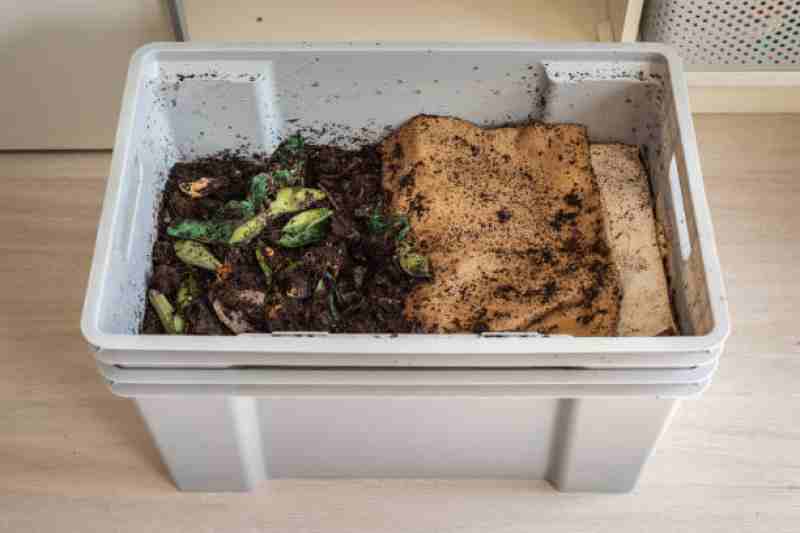
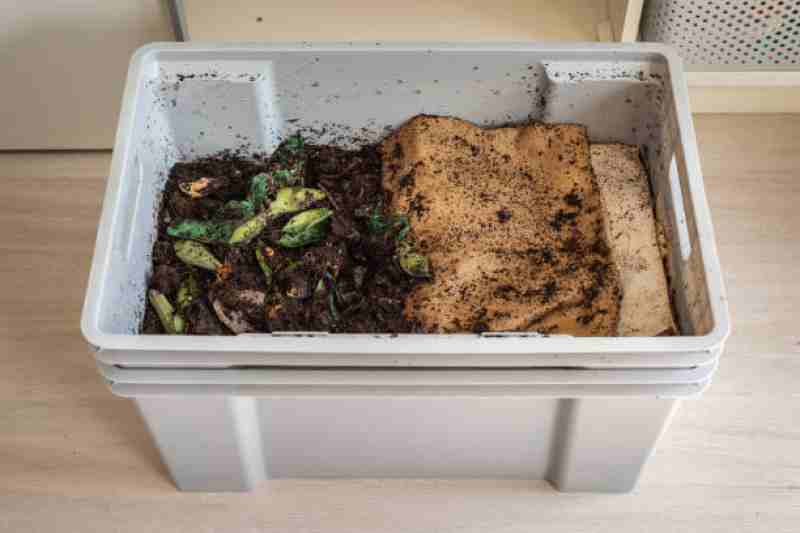
Vermicomposting is a great option for apartment residents because it doesn't require much space. It uses composting worms to break down organic kitchen waste and produce nutrient-rich worm castings.
A red wiggler worm is commonly used for this type of composting because these worms are comfortable living in organic-rich bedding and are efficient at processing food scraps.
A small worm bin can fit in a kitchen, utility area, or other suitable indoor location. The main thing is to avoid overfeeding and maintain the right moisture and temperature.
3. Bokashi Composting
Bokashi is another compact option for indoor composting. It uses fermentation rather than traditional aerobic decomposition and is generally carried out in a sealed container.
The system can be convenient for apartment kitchens because the container takes up relatively little space. After fermentation, the material usually needs another stage of decomposition before it becomes suitable for use with plants.
4. Electric Kitchen Composter
If convenience is your priority, an electric kitchen composter may be another option. These appliances process food scraps and significantly reduce their volume.
They can be useful for people who don't have room for a worm bin or traditional composting setup. However, these machines work differently from natural composting, so check the manufacturer's instructions before using the resulting material in your plants.
Where Should You Keep an Apartment Compost Bin?
Choosing the right location can make indoor composting much easier.
Depending on your system, possible locations include:
- Under the kitchen sink
- A kitchen corner
- A utility area
- A shaded balcony
- A laundry or storage space
If you're keeping worms, avoid locations exposed to extreme heat, freezing temperatures, or direct sunlight. A stable environment is generally easier for maintaining a healthy worm bin.
How to Prevent Bad Smells
Odor is one of the biggest concerns for beginners. A properly maintained composting system shouldn't smell like rotten food.
To reduce unpleasant odors:
- Avoid adding more waste than your system can handle.
- Maintain suitable moisture levels.
- Add dry bedding when using a worm bin.
- Don't leave food scraps exposed.
- Empty collection containers regularly.
- Follow the recommended feeding guidelines for your system.
If your compost bin starts producing a strong unpleasant smell, don't panic. It usually means something needs adjusting, such as moisture, airflow, or the amount of food being added.
What Can You Compost in an Apartment?
What you can add depends on the composting method you're using. Always check the instructions for your specific system.
Common materials include:
- Fruit scraps
- Vegetable scraps
- Coffee grounds
- Tea leaves
- Crushed eggshells
- Small amounts of plain cardboard
- Suitable plant trimmings
If you're using a worm bin, introduce food gradually. Meat, dairy, oily foods, and heavily processed foods are generally not suitable for a basic worm composting system.
Tips for First-Time Apartment Composters
Starting small is usually the easiest approach. You don't need a large bin or complicated equipment to begin.
Keep these tips in mind:
- Choose a method that fits your available space.
- Start with a manageable amount of food waste.
- Learn what your system can and cannot accept.
- Keep the composting area clean.
- Monitor moisture and odors.
- Avoid overfeeding worms if you're using vermicomposting.
- Keep the system somewhere convenient so you actually use it regularly.
The goal isn't to create a perfect system immediately. Give yourself some time to understand how your chosen method works.
What Can You Do With Apartment Compost?
Once your compost or worm castings are ready, they can be useful for plants. Small amounts can be added to suitable potting mixes, balcony planters, herb containers, or other gardening projects.
If you don't have plants yourself, you may also be able to share finished compost with friends, neighbors, or a local gardening group.
For apartment dwellers, this can be one of the most rewarding parts of composting. Food scraps that would normally become trash can eventually become a useful resource for growing plants.
Is Apartment Composting Really Worth It?
For many apartment residents, it can be. You don't need a backyard to reduce your food waste or start producing compost at home.
The best system is simply the one that fits your lifestyle. Some people may prefer a basic collection bin, while others may enjoy vermicomposting with worms or using a Bokashi system.
If you have enough space for a small worm bin, vermicomposting can be especially rewarding because you can watch your food scraps turn into nutrient-rich worm castings.
Conclusion
Composting inside an apartment is much easier than many beginners expect. You don't need a backyard, large garden, or outdoor compost pile to start making better use of your kitchen waste.
Whether you choose a countertop collection bin, Bokashi, an electric composter, or a worm bin, start with a setup that matches your space and daily routine. With a little consistency, apartment composting can become a simple way to reduce waste and support your plants.
For anyone interested in starting vermicomposting, choosing healthy composting worms from a reliable supplier can make the process much easier. As a personal recommendation, Pure Red Wiggler Composting Worms from Memes Worms can be a good option for setting up a home worm composting system. You can explore their composting worms and helpful resources at https://memesworms.com/.
Frequently Asked Questions
1. Can I compost inside an apartment?
Yes. Vermicomposting, Bokashi, and other compact composting methods can work well in apartments with limited space.
2. Will an indoor compost bin smell?
A properly maintained system should not have a strong rotten smell. Too much food, excess moisture, or poor airflow can contribute to unpleasant odors.
3. Can I use red wiggler worms in an apartment?
Yes. Red wigglers are commonly used for vermicomposting and can be kept in a suitable indoor worm bin.
4. Where should I keep a worm bin?
A stable indoor location away from direct sunlight and extreme temperatures is usually suitable. A utility area, kitchen corner, or other convenient space can work.
5. What is the easiest composting method for an apartment?
It depends on your needs. A countertop bin is simple for collecting scraps, while vermicomposting is a practical option if you want to process food waste and produce worm castings at home.
Source:
Click for the: Full Story
You might like