Close Menu
 World
 Biography
 Health
 Education
 Business
 Lifestyle
 Sports
 Technology
 Animals
 History
 Food
 Religious
 Startups
 Movies
 Politics
 Fashion
 Covid
 Diet
 Fitness
 Marketing
 Travel
 Science
 Reviews
 Social media
 Stories
 Facts
 Art
 Entertainment
Kunwardeep Singh

Business
Confectionery Products in India: Exploring New Flavours, Product Categories and Brand Opportunities
 Kunwardeep Singh
The confectionery business is built around taste, creativity, and the ability to introduce products that connect with changing consumer preferences. From colourful candies purchased at local stores to premium chocolate-coated treats available in modern retail outlets, sweets continue to hold an important place in everyday shopping. The expanding demand for diverse confectionery products in India is encouraging manufacturers and food brands to explore new product ideas, improved packaging, and innovative flavour combinations.
For retailers, distributors, and entrepreneurs, the opportunity lies in offering products that combine appealing presentation with consistent quality. However, developing a successful confectionery range requires careful attention to ingredients, manufacturing processes, shelf life, and customer expectations.
How Confectionery Manufacturers Are Adapting to Changing Consumer Preferences
Consumer expectations are no longer limited to familiar flavours and traditional sweet formats. Buyers increasingly explore different textures, product combinations, and packaging styles. This encourages manufacturers to develop confectionery ranges that appeal to both traditional tastes and modern preferences.
Some important product development areas include fruit-inspired flavours, milk-based sweets, assorted candy collections, chocolate-coated varieties, and convenient single-serve packaging.
Retailers also benefit from offering products across different price segments. Affordable candies can attract everyday buyers, while assorted and premium confectionery packs can serve gifting and special occasions.
A diverse product portfolio helps brands reach different customer groups without depending on a single confectionery category.
Hard Boiled Candy: Combining Traditional Flavours with Modern Presentation
Among the many confectionery varieties available, hard boiled candy continues to be a recognizable and versatile product category. Its compact format, extended shelf-life potential, and wide flavour possibilities make it suitable for various retail and distribution channels.
The manufacturing process involves preparing a sugar-based mixture, cooking it under controlled conditions, incorporating suitable flavours and colours, and shaping the finished candy before individual packaging.
Factors That Influence Hard Candy Quality
The quality of hard candy depends on more than its flavour. Several production factors influence the final product:
- Cooking temperature: Proper temperature control helps achieve the desired candy consistency.
- Moisture management: Appropriate moisture levels are important for maintaining texture and product stability.
- Flavour distribution: Consistent mixing supports a uniform taste experience.
- Packaging quality: Suitable wrappers help protect candies from environmental moisture and handling conditions.
Manufacturers can also introduce different shapes, colours, and flavour combinations to help brands differentiate their products in competitive retail markets.
Why Businesses Are Choosing Private Label Confectionery Manufacturing
Creating a recognizable confectionery brand requires investment in product development, production planning, packaging, and distribution. For businesses that want to enter the market without establishing their own manufacturing facilities, partnering with Private Label confectionery manufacturers in India can be a practical approach.
Private-label arrangements allow businesses to sell confectionery products under their own brand name while working with an established manufacturing partner.
Opportunities for Retailers and Food Entrepreneurs
Private-label manufacturing can support several business models. A supermarket chain may want a customized candy range for its retail outlets, while a distributor may wish to introduce branded toffees or lollipops to its existing customer network.
Similarly, an established food company can expand its portfolio by adding new confectionery categories without building an entirely separate production facility.
Before finalizing a manufacturing partnership, businesses should discuss product customization, packaging design, minimum order quantities, quality standards, production capacity, and delivery schedules.
Dhiman Foods provides private-label manufacturing solutions for businesses interested in developing confectionery products with customized branding and product requirements.
Chocolate Coating Products: Creating More Exciting Confectionery Experiences
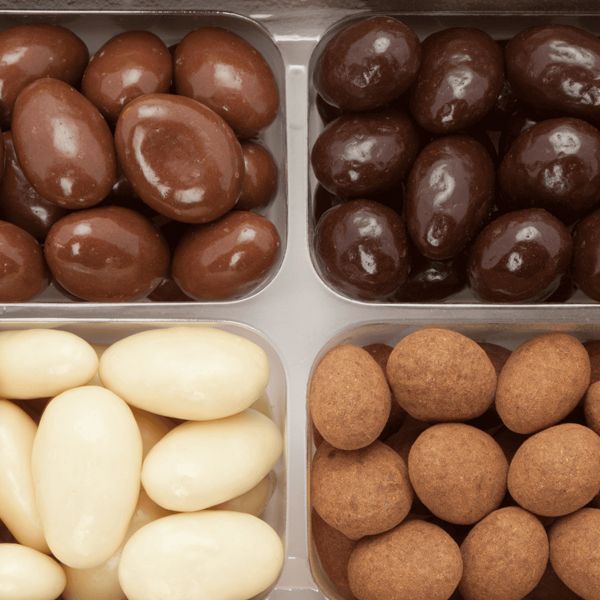
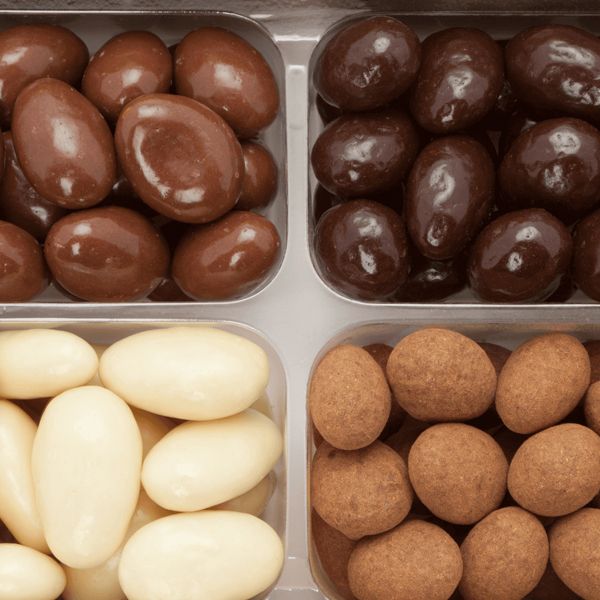
Combining different ingredients and textures is an effective way to make confectionery products more distinctive. Chocolate coating products offer manufacturers an opportunity to create appealing combinations by adding a chocolate-based outer layer to suitable confectionery centres.
The contrast between a smooth coating and a different inner texture can create an enjoyable eating experience. Depending on the formulation, coated products may also incorporate different flavours and decorative finishes.
Important Considerations in Chocolate Coating
Developing a quality coated product requires attention to coating consistency, temperature management, ingredient compatibility, and storage conditions.
The coating should distribute evenly across the product, maintain its intended appearance, and complement the flavour of the centre. Packaging must also be selected according to the product's sensitivity to heat, moisture, and handling.
For brands planning to introduce coated confectionery, working with a manufacturer equipped for specialized coating operations can simplify product development and production planning.
The Importance of Quality Control in Confectionery Production
A successful confectionery product should deliver a consistent experience every time a customer purchases it. Differences in taste, texture, colour, or appearance between batches can affect brand confidence and customer satisfaction.
Professional manufacturing operations therefore need structured quality-control practices throughout production.
These may include checking incoming ingredients, monitoring cooking conditions, examining product appearance, verifying packaging quality, and conducting appropriate finished-product testing.
Food safety practices are equally important. Manufacturers should follow applicable food regulations, maintain hygienic production environments, and ensure that products meet relevant labelling and packaging requirements.
For businesses purchasing confectionery in bulk, understanding the manufacturer's quality procedures can help establish a more dependable supply relationship.
How to Build a Competitive Confectionery Product Portfolio
Businesses entering or expanding within the confectionery market should focus on creating a balanced product selection rather than introducing too many similar items.
A practical portfolio may combine traditional hard candies, milk-based sweets, lollipops, toffees, gummies, and coated confectionery. Each category serves different consumption preferences and retail requirements.
Packaging should also reflect the intended sales channel. Individual wrappers may work well for convenience stores, while assorted packs can be more suitable for supermarkets, gifting, and organized retail.
Regularly reviewing customer feedback, product movement, and distributor requirements can help businesses identify which categories deserve further investment.
Conclusion
Developing a successful confectionery business requires a combination of product innovation, manufacturing expertise, and a clear understanding of market requirements. From traditional hard boiled candy to innovative chocolate coating products, the right product selection can help brands attract different customer segments and expand their retail presence.
Businesses exploring confectionery products in India can also benefit from working with experienced Private Label confectionery manufacturers in India to develop customized offerings under their own brand identity. With its diverse product range and manufacturing capabilities, Dhiman Foods provides confectionery solutions for businesses looking to build distinctive product portfolios and establish long-term market opportunities.
Source:
Click for the: Full Story
You might like