Close Menu
 World
World
 Biography
 Health
 Education
 Business
 Lifestyle
 Sports
 Technology
 Animals
 History
 Food
Food
 Religious
 Startups
 Movies
 Politics
 Fashion
 Covid
Covid
 Diet
Diet
 Fitness
 Marketing
 Travel
 Science
 Reviews
 Social media
 Stories
 Facts
Facts
 Art
Art
 Entertainment
Yatin Samra

Technology
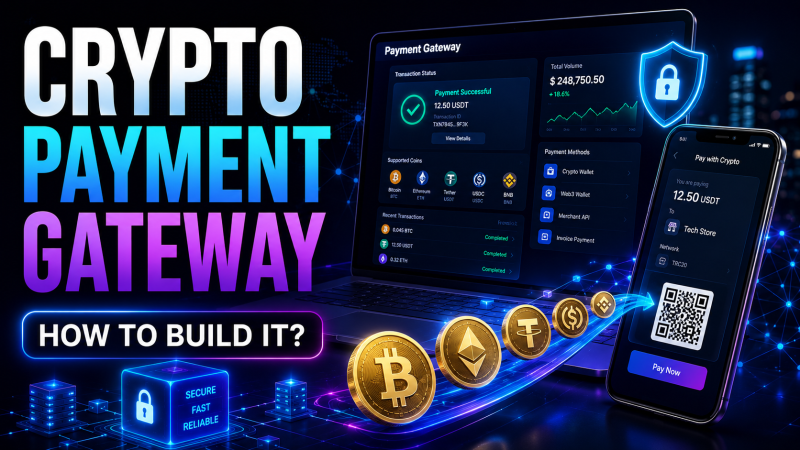
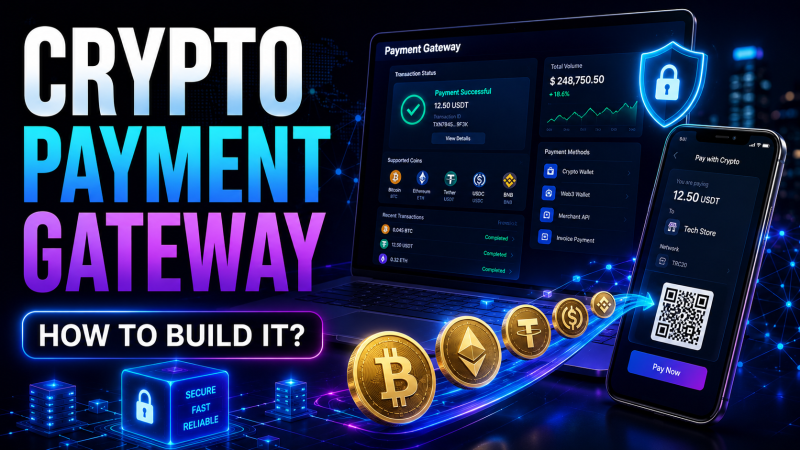
Crypto Payment Gateway Development in 2026: 10 Decisions That Can Make or Break Your Platform
 Yatin Samra
Crypto transactions are becoming more attractive for those companies that would like to provide a solution for digital assets, international transfers, and different types of payments. However, the creation of such a crypto gateway is not just about integrating a crypto wallet with a checkout page.
It should involve many elements, including blockchain infrastructure, merchant features, transaction monitoring, security, compliance, and the smoothness of payment. There are 10 choices that entrepreneurs may face when creating a payment gateway.
1. Decide Who Your Gateway Is Built For
Before choosing technology, define your ideal merchant.
Your gateway could target:
- E-commerce stores
- SaaS businesses
- Online marketplaces
- Digital service providers
- International businesses
- Enterprise merchants
Each segment can have different expectations around settlement, integrations, reporting, transaction volume, and supported assets.
A focused target market makes it easier to build a relevant first version.
2. Choose Between Hosted and Embedded Checkout
The checkout architecture directly affects the user experience.
Hosted Checkout
Customers are redirected to a dedicated payment page.
Advantages:
- Faster initial implementation
- Centralized payment management
- Easier updates
Embedded Checkout
Payment functionality is incorporated directly into the merchant's website or application.
Advantages:
- More control over the customer experience
- Stronger branding
- Potentially smoother purchasing journeys
The right approach depends on merchant requirements and the gateway's technical architecture.
3. Select the Right Crypto Assets
Supporting more currencies does not automatically make a gateway better.
Each additional asset can introduce requirements related to:
- Blockchain infrastructure
- Transaction monitoring
- Network fees
- Confirmation logic
- Liquidity
- Compliance
- Maintenance
Start with assets that have clear demand among your intended customers and expand the supported portfolio as the platform grows.
4. Design Around Transaction Reliability
A crypto payment isn't complete simply because a transaction has been initiated.
The gateway should be able to monitor the transaction lifecycle and communicate meaningful status updates.
For example:
Payment created → Transaction detected → Confirmation pending → Confirmed → Merchant notified
This workflow can connect blockchain activity with the merchant's order-management system.
5. Make Developer Integration Simple
A payment gateway becomes more valuable when businesses can integrate it without excessive development work.
A strong API strategy can include endpoints for:
- Creating payments
- Checking payment status
- Verifying transactions
- Managing refunds
- Retrieving transaction history
- Receiving webhook notifications
Detailed documentation and secure authentication can significantly improve developer adoption.
6. Give Merchants More Than a Payment Button
Merchant functionality should extend beyond transaction acceptance.
A dashboard can provide:
- Payment history
- Settlement information
- Transaction search
- Revenue reports
- Refund management
- API credentials
- User permissions
- Account settings
These tools can turn the gateway into a complete payment-management solution rather than a basic transaction processor.
7. Treat Security as Product Infrastructure
Security cannot be an optional add-on for financial technology.
Depending on the architecture, a gateway may need:
- Encryption
- Multi-factor authentication
- Role-based access
- Secure key management
- API protection
- Fraud monitoring
- Transaction screening
- Audit trails
Regular security assessments can help identify weaknesses before they become costly problems.
8. Plan the Regulatory Model Before Launch
Crypto payment businesses can face regulatory obligations depending on what services they provide and where they operate.
For companies targeting the USA, the applicable requirements can depend on factors such as:
- Business activities
- Assets supported
- Customer locations
- Fund custody
- Conversion services
- Transaction flows
- Financial partners
Compliance should therefore be evaluated during product planning, not after the technology has already been built.
9. Build a Business Model That Supports Growth
A gateway needs revenue that can support infrastructure, security, customer service, and ongoing development.
Potential approaches include:
Transaction Fees
Charge a percentage or fixed amount per eligible transaction.
Subscription Plans
Offer different capabilities according to merchant requirements.
Enterprise Services
Provide customized integrations, reporting, support, or infrastructure for larger businesses.
Hybrid Pricing
Combine subscriptions with transaction-based charges.
The pricing model should also account for blockchain and infrastructure costs.
10. Design for Expansion From Day One
A payment gateway that succeeds with a small merchant base may eventually handle substantial transaction volumes.
Scalability planning should cover:
- API traffic
- Blockchain monitoring
- Transaction processing
- Merchant accounts
- Database workloads
- Reporting
- Notifications
- Security monitoring
A modular architecture can make it easier to add new assets, networks, integrations, and merchant capabilities over time.
What Should a Crypto Payment Gateway Include?
A modern platform may include the following feature groups:
Customer Features
- Crypto payment checkout
- QR-code payments
- Wallet connectivity
- Payment status tracking
- Transaction confirmations
Merchant Features
- Dashboard
- Payment links
- API access
- Transaction management
- Settlement management
- Refund workflows
- Reports
Administrative Features
- Merchant management
- Transaction monitoring
- Risk controls
- User permissions
- System analytics
- Configuration management
This modular approach allows businesses to prioritize functionality based on their initial market.
Technology Considerations
The technology stack will depend on the product's scale and functionality.
A typical architecture may include:
Frontend: React, Next.js, Flutter, or other modern frameworks.
Backend: Node.js, Python, Java, Go, or comparable technologies.
Blockchain layer: Nodes, blockchain infrastructure providers, or specialized APIs.
Database: Systems for merchant, transaction, account, and reporting data.
Security: Encryption, authentication, authorization, key management, and monitoring.
Integration layer: Wallets, market-data services, exchanges, payment providers, compliance tools, and merchant systems.
The objective should be to create a reliable architecture that can evolve as the business expands.
Development Process
A professional development process can follow these stages:
1. Business Research
Identify your market, merchants, competitors, and payment use cases.
2. Requirement Planning
Define supported assets, payment flows, settlement options, integrations, and essential features.
3. Architecture Design
Plan the blockchain layer, APIs, databases, security, and infrastructure.
4. UI/UX Design
Create simple interfaces for both merchants and customers.
5. MVP Development
Build the core payment and merchant functionality.
6. Blockchain Integration
Connect supported networks and implement transaction monitoring.
7. Testing
Perform functional, security, API, performance, and transaction testing.
8. Launch
Release the platform to a controlled group of merchants.
9. Optimization
Use real-world feedback to improve performance, usability, security, and functionality.
How Much Does It Cost to Build a Crypto Payment Gateway?
Development costs vary significantly depending on the project's scope.
The budget can be influenced by:
- Supported cryptocurrencies
- Number of blockchain networks
- Wallet integrations
- Fiat conversion
- Merchant features
- API complexity
- Security requirements
- Compliance tooling
- Mobile applications
- Third-party integrations
- Cloud infrastructure
- Ongoing maintenance
An MVP can help businesses test their concept before investing in advanced features and broader blockchain support.
Why the USA Requires Careful Planning
The USA presents significant opportunities for financial technology and digital commerce, but crypto-related payment businesses must consider the regulatory environment alongside technical development.
The exact requirements can vary based on the nature of the service, business structure, customer base, assets supported, and whether the platform handles or converts customer funds.
For that reason, entrepreneurs should work with qualified legal and compliance professionals before launching a crypto payment service.
Final Thoughts
The future of cryptocurrency payments depends on more than just cryptocurrency payments themselves. They require reliability, seamless integration, transparency, security, and predictability from the merchants' side.
When building your own payment gateway for entrepreneurs, you should start by choosing a niche and developing an MVP, and then lay a solid technical foundation while scaling based on the needs of the merchants.
Want to learn more about platform development? Click the button below and see the video that covers the following topics: payment gateway development, payment gateway architecture, necessary features, development cost, security, blockchain integration, monetization strategy, and compliance.
Source:
Click for the: Full Story
You might like