Close Menu
 World
World
 Biography
 Health
 Education
 Business
 Lifestyle
 Sports
 Technology
 Animals
 History
 Food
Food
 Religious
 Startups
 Movies
 Politics
 Fashion
 Covid
Covid
 Diet
Diet
 Fitness
 Marketing
 Travel
 Science
 Reviews
 Social media
 Stories
 Facts
Facts
 Art
Art
 Entertainment
Howard Franco

Business
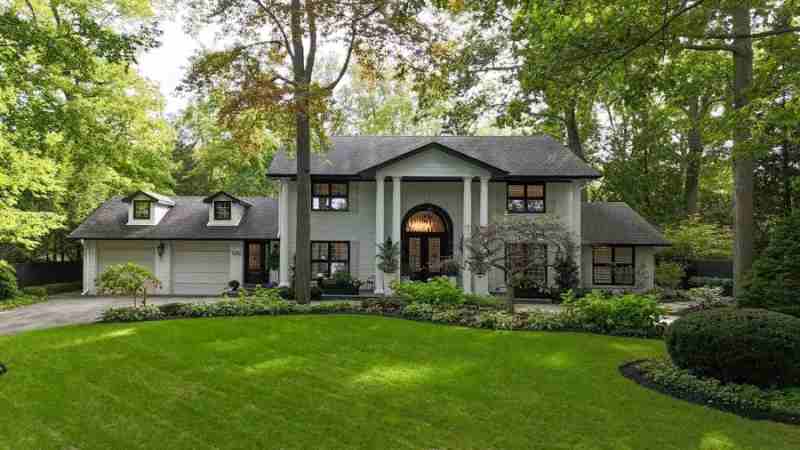
Custom Home Builders in Ontario: Planning a Home That Fits Your Life
 Howard Franco
A custom home gives you something an existing property cannot always offer: control over the design.
You can decide how rooms connect, where the kitchen sits, how much storage you need, and what kind of spaces your family uses every day.
But that freedom also comes with responsibility.
You need to make decisions about design, land, budget, permits, materials, construction, and finishing.
Working with experienced Custom Home Builders In Ontario can help bring these different stages together.
What Is a Custom Home Builder?
A custom home builder works with homeowners to create a new residence based on an agreed design and construction plan.
Depending on the company and contract, services may cover architectural coordination, construction management, trade coordination, permits, inspections, and final handover.
Khanani Developments describes its services as an end-to-end custom-home process covering design, permits, construction management, trade coordination, inspections, and warranty support.
Why Choose a Custom Build?
A custom home can be useful when your needs do not fit standard layouts.
You may want:
- A specific number of bedrooms
- A large kitchen
- A dedicated office
- A multi-generational layout
- More storage
- A larger garage
- A finished basement
- Specific accessibility features
- A particular architectural style
Start with how you live rather than what is currently popular.
What Should You Know About the Property?
The lot should be assessed before finalizing the home design.
Important considerations can include:
- Lot dimensions
- Zoning
- Setbacks
- Soil
- Grading
- Drainage
- Existing services
- Access
- Neighbouring properties
A site that looks ideal at first may have limitations that affect the final design.
A proper assessment helps reveal these conditions earlier in the process.
How Should You Build a Budget?
A custom-home budget should be detailed.
Think about both construction and professional services.
Possible categories include:
CategoryExamplesDesignArchitecture, drawingsApprovalsPermits and applicationsSite workExcavation, gradingStructureFoundation, framingSystemsElectrical, plumbing, HVACInteriorFlooring, cabinets, fixturesExteriorRoofing, siding, landscaping
Ask which items are included in your builder's proposal.
How Do You Choose the Right Builder?
Start with relevant experience.
Look at previous projects and ask about the builder's process.
Important questions include:
- Who manages the project?
- Who coordinates trades?
- How are quality checks handled?
- How often are updates provided?
- Who handles permits?
- How are changes approved?
- What warranty support is available?
A good conversation before construction can reveal how organized the process is likely to be.
What Role Does Communication Play?
Communication is one of the practical parts of a construction project.
Homeowners need to make selections and approve certain decisions. Builders need to communicate schedules, construction updates, and issues that require attention.
Khanani Developments says it maintains regular communication and provides project supervision throughout its custom-home projects.
Before signing, ask how communication will work.
How Can You Make the Design Future-Friendly?
A home should work for more than the first few months.
Think about how your family may change.
You might need:
- A flexible bedroom
- A home office
- Additional storage
- Wider circulation areas
- A main-floor bedroom
- A flexible basement
- Better accessibility
Planning for possible future needs can make the home more useful over time.
What Should You Know About Materials?
Material choices affect both appearance and daily use.
Think about where each material will be installed.
High-traffic areas may need surfaces that can handle frequent use. Kitchens and bathrooms require materials suited to moisture and regular cleaning.
Ask your builder about:
- Maintenance
- Expected lifespan
- Warranty
- Installation requirements
- Availability
- Cost differences
This can help you make decisions based on more than appearance.
Custom Home vs. Production Home
FeatureCustom HomeProduction HomeFloor planHighly customizablePredeterminedDesign choicesBroadLimited selectionsPersonal requirementsEasier to includeMore restrictionsConstruction processProject-specificMore standardizedPlanningMore detailedUsually simplerPersonalizationHighModerate or limited
A custom build offers more control, but it also requires greater involvement during planning.
How Long Does Building a Custom Home Take?
There is no single timeline for every Ontario project.
Home size, design complexity, property conditions, permits, material availability, weather, and construction requirements can all affect the schedule.
Ask your builder for a project-specific timeline.
It is also useful to identify decisions that need to be made before construction reaches each stage.
What Happens After Construction?
The final stage includes more than moving furniture inside.
A proper handover can involve:
- Final inspections
- Outstanding items
- System checks
- Documentation
- Warranty information
- Cleaning
- Final walkthrough
Ask your builder what the handover process includes before construction starts.
Khanani Developments states that its custom-home services include warranty support after completion.
Final Thoughts
Building a custom home in Ontario requires thoughtful planning and good coordination.
Start with the property, understand your family's needs, create a realistic budget, and learn how the builder manages design, permits, construction, inspections, and handover.
The goal is not simply to create a new building.
It is to create a home with a layout, materials, spaces, and features that make sense for the people who will live there.
Source:
Click for the: Full Story
You might like