


 Close Menu
 World
 Biography
 Health
 Education
 Business
 Lifestyle
 Sports
 Technology
 Animals
 History
 Food
 Religious
 Startups
 Movies
 Politics
 Fashion
 Covid
 Diet
 Fitness
 Marketing
 Travel
 Science
 Reviews
 Social media
 Stories
 Facts
 Art
 Entertainment
Hitesh Mobarsa

Business
Custom Tank Monitoring Solutions for Smarter Industrial Inventory Management
 Hitesh Mobarsa
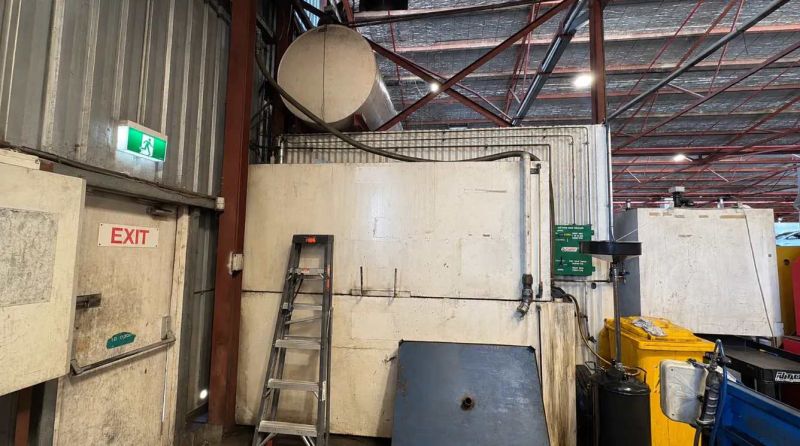
Managing bulk liquid storage requires accurate information, reliable equipment, and regular inventory checks. For businesses operating across industrial facilities, transport depots, agricultural sites, and remote locations, manual tank inspections can take time and make it difficult to maintain consistent stock visibility. Custom Tank Monitoring Solutions help address these challenges by providing remote tank-level tracking, regular reporting, and connectivity options suited to different operating environments. GAT offers monitoring solutions designed to help businesses improve visibility of stored liquids and make more informed inventory decisions.
What Are Custom Tank Monitoring Solutions?
Custom tank monitoring solutions use sensors, communication equipment, and software platforms to measure and report the contents of storage tanks. Rather than relying entirely on manual measurements, businesses can access tank-level information remotely.
The system can be configured around the type of liquid being stored, tank dimensions, site conditions, reporting requirements, and available communication networks.
A customised setup may include:
- Tank-level sensors suitable for the application
- Remote data transmission equipment
- 4G or satellite connectivity options
- Centralised monitoring and reporting
- Daily tank-level updates
- Information to support replenishment planning
The exact features depend on the equipment and configuration selected for each site.
Why Businesses Need Customised Tank Monitoring
Not every storage operation has the same requirements. A facility with several tanks and reliable mobile coverage may need a different monitoring arrangement from a remote site with limited network access.
A customised solution helps businesses consider their actual operating conditions instead of relying on a one-size-fits-all approach.
1. Better Inventory Visibility
Remote monitoring allows authorised users to review tank levels without travelling to each storage location. This can make it easier to understand available inventory across multiple sites.
2. More Efficient Replenishment Planning
Regular tank readings help businesses identify when stored liquids may need replenishment. This supports delivery planning and can reduce the likelihood of unexpected stock shortages.
3. Fewer Routine Site Visits
When reliable remote readings are available, employees may not need to visit tanks simply to check their levels. This can be particularly useful for businesses managing storage across several locations.
4. Reporting for Operational Decisions
Daily reports provide a regular overview of recorded tank levels. Depending on the system, historical information can also help teams review changes in inventory and identify consumption patterns.
Key Features to Consider in a Custom Monitoring System
Choosing the right equipment involves understanding which features will support everyday operations.
Remote Level Tracking
Level sensors measure the contents of a tank and provide readings to a connected monitoring platform. The appropriate sensor depends on tank construction, liquid characteristics, measurement requirements, and installation conditions.
Remote tracking gives authorised users access to inventory information without needing to be physically present at the tank.
Daily Reports and Data Access
Regular reporting helps businesses review stock levels and identify tanks that may require attention. A monitoring platform may provide information such as current readings, changes over time, and replenishment indicators, depending on its capabilities.
Reports can help operational teams coordinate deliveries and maintain better awareness of stored inventory.
4G Connectivity
4G communication can transmit monitoring data through available mobile networks. It is often a practical option for industrial facilities and storage locations with suitable cellular coverage.
Before selecting this option, businesses should consider signal strength, network availability, equipment compatibility, and the frequency of required data updates.
Satellite Connectivity
Some storage tanks are located in areas where mobile coverage is limited or unavailable. Satellite communication can provide another way to transmit monitoring information from remote sites.
This option may be useful for rural facilities, isolated industrial operations, and other locations where conventional mobile connectivity is unreliable.
The best connectivity choice depends on the site's location, communication requirements, equipment specifications, and operating costs.
Applications Across Different Industries
Custom tank monitoring can support a variety of industries that depend on stored liquids for daily operations.
Manufacturing: Industrial facilities can monitor tanks containing lubricants and other operational liquids to support maintenance and inventory planning.
Transport and logistics: Depots and fleet maintenance facilities can improve visibility of stored lubricant supplies across their locations.
Agriculture: Farms and agricultural operations can monitor storage tanks located across large properties.
Mining and construction: Remote sites can benefit from monitoring arrangements that reduce the need for routine travel to individual storage tanks.
Industrial storage: Businesses managing multiple tanks can use centralised information to review inventory and coordinate replenishment.
Each application requires an assessment of tank type, stored material, site conditions, and monitoring objectives.
How to Choose the Right Custom Tank Monitoring Setup
Before implementing a monitoring system, businesses should review their requirements carefully.
Consider these important factors:
- Tank specifications: Identify tank dimensions, capacity, material, and installation conditions.
- Stored liquid: Confirm the characteristics of the material being monitored and sensor compatibility.
- Measurement requirements: Determine the level of accuracy and frequency of readings needed.
- Connectivity: Assess whether 4G coverage is available or satellite communication is more suitable.
- Reporting needs: Decide how frequently information should be delivered and who needs access.
- System expansion: Consider whether additional tanks or locations may need to be connected later.
A clear assessment helps businesses select equipment and features that align with their actual operational needs.
Discover GAT's Custom Tank Monitoring Solutions
GAT provides tank monitoring solutions designed to support remote level tracking, daily reporting, and connectivity through 4G or satellite communication.
Businesses can explore suitable configurations based on their storage requirements, operating locations, and inventory management objectives. Whether monitoring lubricant tanks at an industrial facility or managing storage at a remote site, a well-planned system can help improve visibility and support more organised replenishment.
Discover GAT today to learn more about its monitoring capabilities and discuss a solution suited to your operation.
Conclusion
Accurate tank-level information helps businesses manage stored liquids more effectively. Custom tank monitoring solutions combine suitable sensors, remote tracking, reporting, and connectivity to provide better visibility across different storage environments.
By considering tank specifications, site conditions, and communication requirements, businesses can choose a monitoring setup that supports their daily operations. Explore GAT's solutions to discover how customised remote monitoring can improve inventory awareness and replenishment planning.
Source:
Click for the: Full Story
You might like








You Might Like this