Close Menu
 World
 Biography
 Health
 Education
 Business
 Lifestyle
 Sports
 Technology
 Animals
 History
 Food
 Religious
 Startups
 Movies
 Politics
 Fashion
 Covid
 Diet
 Fitness
 Marketing
 Travel
 Science
 Reviews
 Social media
 Stories
 Facts
 Art
 Entertainment
rat pestcontrol

Business
Dealing with Unpleasant Rodent Odours and Hidden Pest Problems
 rat pestcontrol
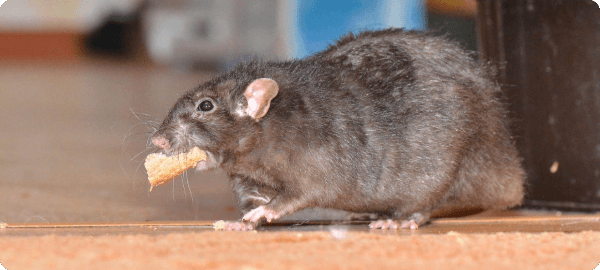
Unpleasant smells inside a property can affect comfort, hygiene and the overall indoor environment. While odours may come from plumbing issues, damp materials or spoiled food, rodents can also be responsible when they nest in concealed areas or die inside wall cavities. Rats Pest Control Perth helps property owners understand the warning signs of rodent activity and the importance of investigating problems carefully. Timely rodent control Perth can help address infestations, identify contributing factors and reduce the risk of recurring issues.
What Causes Rodent Odours Indoors?
Rodents may leave droppings, urine and nesting materials in roof spaces, wall cavities, cupboards, garages and storage rooms. When these materials accumulate in poorly ventilated areas, they can contribute to unpleasant smells. A dead rodent trapped behind a wall or beneath flooring may also produce a strong odour as decomposition progresses.
However, smell alone cannot confirm the presence of rodents. Blocked drains, mould, leaking pipes, damaged food packaging and other building problems can create similar conditions. The location, duration and pattern of the odour can provide useful clues, but a proper inspection may be necessary to identify the cause.
Pay attention to smells that persist despite ordinary cleaning, especially when accompanied by scratching noises, droppings or gnawed materials. These combined signs can indicate a problem that requires further investigation.
Look for Signs in Concealed Areas
Rodents often choose quiet locations where they can remain undisturbed. Roof cavities, spaces beneath cupboards, garages and areas behind stored furniture can provide suitable shelter. Businesses may also discover activity in stockrooms, waste storage areas and spaces around commercial equipment.
Look for small droppings, shredded paper, damaged insulation and gnaw marks on packaging. Greasy rub marks along frequently used routes may also indicate repeated movement. Do not assume that the absence of visible rodents means the property is free from activity.
Avoid entering unsafe roof spaces or dismantling walls without appropriate expertise. If a smell appears to originate from an inaccessible cavity, a qualified professional can help investigate possible nesting areas and determine whether a dead animal or active infestation is responsible.
Handle Suspected Contamination Carefully
Rodent waste should be treated as potentially contaminated. Avoid touching droppings, urine, nesting materials or animal remains directly. Keep children and pets away from the affected area until it has been assessed and cleaned safely.
Do not sweep or vacuum dry droppings, as this can disperse contaminated particles into the air. Follow relevant public health guidance for cleaning rodent waste, including appropriate ventilation, protective equipment and disinfectant use. If contamination is extensive or located in a difficult-to-access space, consider professional cleaning assistance.
Food and packaging exposed to rodent waste should be assessed carefully. Discard food that may have been contaminated, and clean affected surfaces using suitable products according to their instructions. Businesses handling food should follow applicable food-safety procedures before using the affected area again.
Why Removing the Odour Alone Is Not Enough
Air fresheners, scented sprays and household deodorisers may temporarily mask an unpleasant smell, but they do not resolve its source. If rodents remain active or contaminated materials are still present, the odour may return.
The first step is to identify whether the problem involves an active infestation, a dead animal or another building issue. Once the source is understood, the appropriate response can be planned. This may include removing an accessible animal, cleaning contaminated surfaces, repairing damaged materials and closing entry points.
A thorough mouse control Perth strategy should also address the conditions that allow rodents to survive indoors. Securing food, improving rubbish management and reducing clutter can make the property less attractive to mice. Sealing suitable gaps and repairing damaged screens can further reduce opportunities for entry.
Prevent Future Rodent Problems
Prevention begins with regular property maintenance. Inspect cupboards, storage rooms, garages and accessible roof spaces for warning signs. Keep rubbish bins covered, clean food preparation areas and store dry goods in secure containers.
Outside, trim vegetation that touches building walls and remove unnecessary piles of cardboard, timber or garden debris. Repair leaks promptly and avoid leaving pet food outdoors overnight. These actions reduce access to food, water and shelter.
Building owners should also inspect doors, vents and openings around utility connections. Use durable, rodent-resistant materials suited to the location, and arrange repairs where structural damage creates potential entry points.
For rental properties, regular inspections and clear communication between occupants and property managers can help identify issues early. Commercial premises benefit from written cleaning schedules and a simple process for reporting suspicious noises, smells or damage.
When to Seek Professional Assistance
Professional help may be appropriate when the odour persists, rodent activity is widespread or the suspected source is hidden behind walls, ceilings or flooring. A qualified technician can assess the situation, identify likely access routes and recommend suitable treatment and prevention measures.
For properties experiencing a significant infestation, mouse control Perth may be one service option to discuss with a local pest professional, depending on whether mice or rats are responsible. The most effective solution should match the pest involved and the conditions found during the inspection.
For residents of Baldivis seeking local assistance with rat-related concerns, rat pest control Baldivis is a relevant service option. By identifying the source of unpleasant odours, handling contamination carefully and improving property maintenance, owners can help restore a cleaner indoor environment and reduce the likelihood of future rodent problems.
Source:
Click for the: Full Story
You might like