Close Menu
 World
World
 Biography
 Health
 Education
 Business
 Lifestyle
 Sports
 Technology
 Animals
 History
 Food
Food
 Religious
 Startups
 Movies
 Politics
 Fashion
 Covid
Covid
 Diet
Diet
 Fitness
 Marketing
 Travel
 Science
 Reviews
 Social media
 Stories
 Facts
Facts
 Art
Art
 Entertainment
Blake Blossom

Fitness
Dry Brushing: The Simple Pre-Massage Step Worth Knowing About
 Blake Blossom
Long before a massage therapist ever applies oil to your skin, some sessions start with a completely different tool: a firm, natural-bristle brush moved across dry skin. Dry brushing is a simple technique that's been used for a long time, and it's worth understanding what it actually does and why it's often used as a lead-in to massage rather than a treatment on its own.
What Is Dry Brushing?
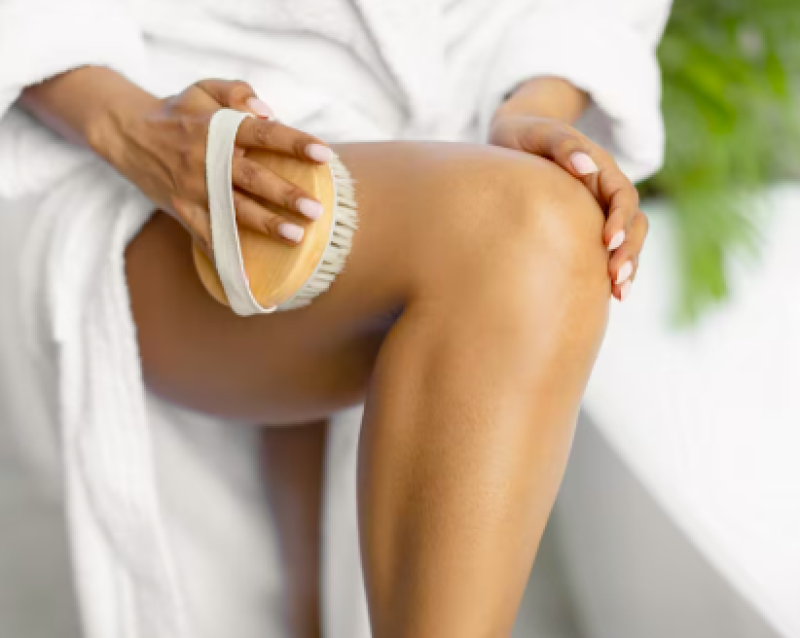
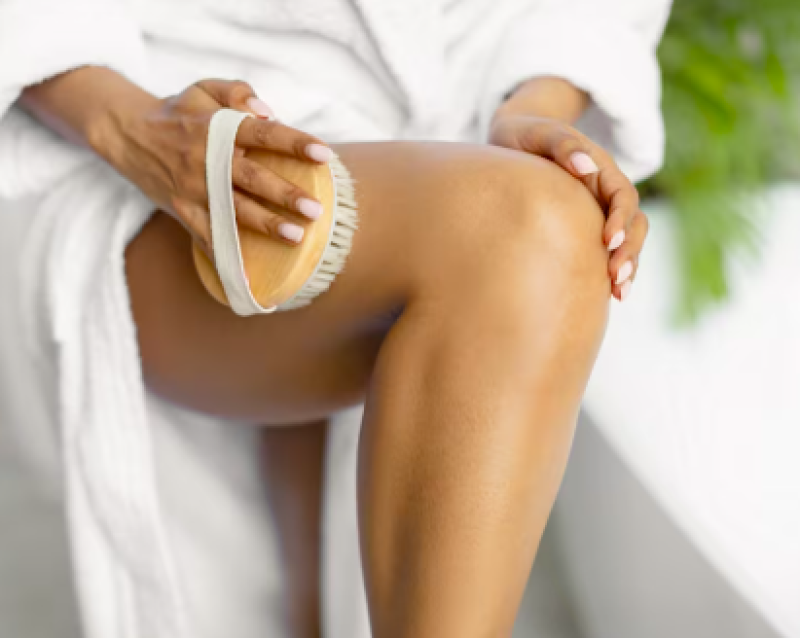
Dry brushing involves using a firm, natural-bristle brush on completely dry skin, typically before a shower, bath, or massage. The brush is moved in long strokes, generally toward the heart, across areas like the legs, arms, and torso. Because no water or product is involved, the technique relies entirely on the physical action of the bristles against the skin.
Why Dry Brushing Is Often Used Before a Massage
When incorporated into a spa treatment, dry brushing is typically used as a preparatory step rather than the main event. Because the brisk, brushing motion is associated with encouraging circulation and supporting lymphatic drainage, using it before a massage is thought to help "wake up" the skin and underlying tissue, potentially making the massage itself more effective by starting with skin that's already had some initial stimulation.
What Dry Brushing May Help With
People generally associate dry brushing with a few specific benefits:
Exfoliation. The physical brushing action removes dead skin cells from the surface, which can leave skin feeling smoother immediately afterward.
Supporting circulation. The brisk strokes are associated with temporarily boosting blood flow to the treated areas.
Supporting lymphatic drainage. Because the technique generally follows the direction of lymphatic flow (toward the heart), it's often used as a light way to encourage the body's natural fluid movement before more targeted treatments like lymphatic massage.
A brief energizing effect. Many people find the brisk, invigorating sensation of dry brushing genuinely energizing, making it a nice way to start a treatment rather than easing in with something purely calming.
It's worth setting realistic expectations here. While dry brushing is a pleasant, simple technique with real exfoliating benefits, claims about dramatic detoxification or significant changes to cellulite appearance go beyond what's well supported by evidence. It's best understood as a gentle exfoliation and circulation-supporting technique, not a treatment with dramatic, guaranteed results.
What the Sensation Feels Like
Dry brushing typically feels brisk and invigorating rather than relaxing on its own, somewhere between a firm scratch and a stimulating scrub. Pressure is generally kept moderate rather than aggressive, since the goal is stimulation and exfoliation, not irritation. Most people find any initial intensity fades quickly as the skin adjusts, and many come to find the sensation genuinely pleasant once they're used to it.
Dry Brushing as Part of a Massage or Body Treatment
Because dry brushing is typically brief, often just a few minutes, it's almost always incorporated as a preparatory step within a longer treatment rather than booked as a standalone service. It pairs particularly naturally with treatments focused on circulation or lymphatic support, since the technique complements those goals directly.
Who Might Want to Ask Questions First
Dry brushing involves direct physical friction against the skin, so it's not right for every situation. People with active skin conditions like eczema, psoriasis, sunburn, open wounds, or very sensitive or broken skin should mention this to their therapist beforehand, since the brushing technique could aggravate these conditions. It's also generally avoided directly over varicose veins or areas with significant skin sensitivity.
Can You Dry Brush at Home?
Yes, dry brushing is a technique many people incorporate into their own routine using a dedicated dry brush, typically before showering. If you're trying it at home for the first time, using lighter pressure than you might expect and gradually working up to firmer strokes as your skin adjusts is generally a reasonable approach.
Choosing a Provider
Since technique and pressure matter with dry brushing, a few things are worth checking if it's included as part of a professional treatment:
- Whether the therapist assesses your skin for any conditions that might make dry brushing inappropriate
- Whether they use proper technique, generally brushing toward the heart
- Whether they adjust pressure based on your comfort and skin sensitivity
- Whether they're honest about what the technique can realistically offer, without overstating detox or dramatic claims
Dry Brushing in Vienna, VA
If you're in the Vienna, Virginia area and curious about trying dry brushing as part of a massage or body treatment, it's worth choosing a spa that incorporates the technique thoughtfully rather than as an automatic add-on. Moon Lake Spa offers massage therapy in Vienna, VA that can incorporate dry brushing as a preparatory step. You can see their full range of services at moonlakespa.com.
Frequently Asked Questions
Does dry brushing actually help with cellulite? Claims about dry brushing dramatically reducing cellulite appearance go beyond what's well supported by evidence. It may temporarily improve skin texture through exfoliation, but it isn't a proven treatment for cellulite specifically.
Is dry brushing painful? It shouldn't be painful, though it can feel brisk or intense at first, especially if you're not used to it. Pressure should stay moderate rather than aggressive.
Can I dry brush every day? Many people incorporate dry brushing into their routine a few times a week rather than daily, to avoid over-exfoliating or irritating the skin. It's worth paying attention to how your skin responds.
Why does dry brushing go toward the heart? This direction is thought to follow the body's natural lymphatic flow, which is part of why the technique is associated with supporting lymphatic drainage.
Is dry brushing safe for sensitive skin? It depends on the individual. People with very sensitive skin, active skin conditions, or varicose veins should mention this to their therapist or consider skipping dry brushing on affected areas.
Is dry brushing the same as exfoliating in the shower with a scrub? They're similar in that both remove dead skin cells, but dry brushing is done on completely dry skin before washing, while a scrub is typically used with water during a shower. Some people incorporate both into their routine at different times.
Source:
Click for the: Full Story
You might like