


 Close Menu
 World
 Biography
 Health
 Education
 Business
 Lifestyle
 Sports
 Technology
 Animals
 History
 Food
 Religious
 Startups
 Movies
 Politics
 Fashion
 Covid
 Diet
 Fitness
 Marketing
 Travel
 Science
 Reviews
 Social media
 Stories
 Facts
 Art
 Entertainment
George Hicksen

Business
Electrical Installation Services: A Complete Guide to Safe and Reliable Electrical Systems
 George Hicksen
Electrical installations are an essential part of residential and commercial construction. Every property needs a properly designed electrical system to supply power to lighting, appliances, equipment, and other devices. A well planned installation supports daily activities and helps protect people and property from electrical hazards.
Electrical installation services cover a wide range of work. These services include installing electrical panels, outlets, switches, lighting fixtures, wiring, and dedicated circuits. Electricians also install electrical systems during renovations, property expansions, and new construction projects.
A successful electrical installation requires careful planning, suitable materials, and professional workmanship. Each component must match the property's electrical requirements and follow applicable safety standards.
What Are Electrical Installation Services?
Electrical installation services involve setting up new electrical components and systems within a building. Electricians plan the work, install the required equipment, connect wiring, and test the system.
Residential electrical installation focuses on household power requirements. It includes lighting, outlets, ceiling fans, appliances, electrical panels, and other fixtures.
Commercial electrical installation supports workplaces and business facilities. These projects may involve larger electrical panels, specialized equipment, additional circuits, emergency lighting, and complex wiring arrangements.
The installation process depends on the building's layout, electrical demand, and intended use. A qualified electrician evaluates these factors before starting the project.
Electrical Installation for New Construction
New construction projects require a complete electrical plan. Electricians work with builders and other contractors to determine where wiring, outlets, switches, lighting fixtures, and panels should go.
The planning stage helps prevent installation problems later. It also ensures that electrical components fit the building's layout.
Residential construction usually includes electrical connections for bedrooms, kitchens, bathrooms, living rooms, garages, and outdoor areas. Each space has different electrical requirements.
For example, kitchens often need several circuits because refrigerators, ovens, microwaves, and other appliances use considerable power. Bathrooms and other moisture prone areas require suitable electrical protection.
Commercial construction projects may require additional planning for computers, machinery, security equipment, communication systems, and specialized lighting.
Electrical Wiring Installation
Electrical wiring distributes power throughout a property. Proper wire selection and installation help ensure that electrical circuits operate safely.
Electricians consider several factors when choosing wiring materials. These include circuit capacity, installation location, equipment requirements, and applicable electrical codes.
The wiring process includes routing cables, connecting outlets and switches, installing protective devices, and securing electrical components.
Poor wiring practices can cause overheating, short circuits, and other electrical problems. Professional installation helps reduce these risks.
An electrician also checks wire connections and circuit performance before completing the project.
Electrical Panel Installation
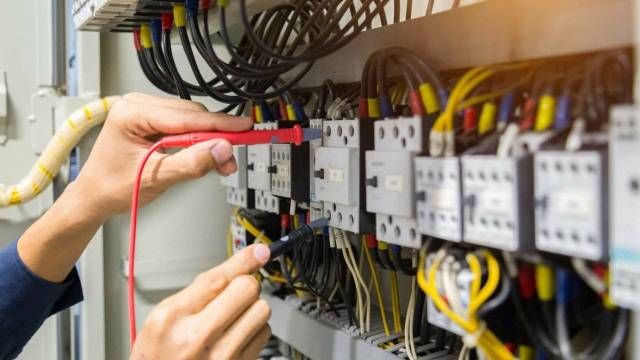
An electrical panel distributes electricity to different circuits throughout a property. It also houses circuit breakers that protect individual circuits from excessive current.
New construction and major renovations may require a new electrical panel. Older panels may also need replacement when they no longer support the property's electrical demands.
The electrician evaluates the expected load before selecting a suitable panel. The assessment includes existing appliances, heating and cooling equipment, lighting, and future electrical requirements.
A properly installed panel provides organized circuit distribution and makes it easier to manage the electrical system.
Panel installation requires careful attention to grounding, bonding, circuit connections, and applicable safety requirements. This work should always involve a qualified professional.
Lighting Installation Services
Lighting affects the comfort, appearance, and functionality of a property. Different rooms require different lighting arrangements.
Residential lighting installation may include:
- Recessed ceiling lights, pendant fixtures, chandeliers, wall lights, and outdoor security lighting.
- LED lighting upgrades, dimmer switches, landscape lighting, and energy-efficient lighting controls.
Each fixture needs suitable wiring and secure connections. Electrical contractors also consider fixture weight, ceiling construction, switch locations, and electrical capacity.
LED lighting has become a popular choice because it uses less electricity than many traditional lighting options. It also provides a wide range of brightness levels and color temperatures.
Outdoor lighting requires fixtures designed for their installation environment. Proper weather protection and electrical connections help maintain reliable operation.
Outlet and Switch Installation
Electrical outlets and switches provide access to power and allow people to control electrical devices.
New properties need outlets in locations that support everyday activities. Renovations may also require additional outlets to improve convenience and reduce reliance on extension cords.
Electricians determine suitable outlet locations based on furniture arrangements, appliance placement, and electrical code requirements.
GFCI outlets provide additional protection in locations where moisture creates a higher risk of electrical shock. These outlets commonly serve kitchens, bathrooms, garages, and outdoor areas.
Modern electrical installations may also include USB charging outlets, smart switches, and dimmer controls. The electrician checks compatibility before installing these products.
Dedicated Circuit Installation
Certain appliances and equipment need dedicated electrical circuits. These circuits supply power to one specific appliance or piece of equipment instead of sharing capacity with several devices.
Air conditioners, electric ovens, dryers, and other high demand appliances may require dedicated circuits according to their specifications and applicable codes.
A dedicated circuit helps prevent excessive electrical demand on shared circuits. It also reduces interruptions caused by overloaded circuits.
The electrician checks the equipment's power requirements, selects suitable wiring, and installs the correct circuit breaker.
Electrical Installation During Home Renovations
Home renovations often involve changes to existing electrical systems. Adding a room, remodeling a kitchen, finishing a garage, or updating a bathroom may require new wiring and electrical components.
Electricians inspect the existing system before beginning the work. They identify outdated wiring, insufficient circuit capacity, and components that need replacement.
A renovation also provides an opportunity to improve lighting and outlet placement. Homeowners can add additional power points and upgrade older fixtures.
Electrical work should be coordinated with other construction activities. Proper planning helps prevent damage to finished walls, ceilings, and flooring.
Commercial Electrical Installation
Commercial properties have different electrical needs from residential buildings. Offices, retail stores, warehouses, and restaurants often use equipment that requires specialized electrical connections.
Commercial electrical installation may include distribution panels, lighting systems, dedicated equipment circuits, emergency lighting, and electrical connections for business machinery.
An electrician evaluates the building's electrical load and operational requirements. The installation must support current equipment while allowing room for future changes.
Reliable electrical systems help businesses maintain daily operations and reduce unexpected power interruptions.
Smart Home Electrical Installation
Smart technology allows property owners to control certain electrical devices through mobile applications and automated systems.
Smart lighting, connected switches, motion sensors, and programmable controls can improve convenience and help manage energy consumption.
These systems need compatible wiring, suitable devices, and a reliable network connection where required.
An electrician can determine whether the existing electrical system supports smart equipment or needs modifications before installation.
Why Professional Installation Is Important?
Electrical installation affects the long term safety and performance of a building. Incorrect connections, unsuitable materials, and overloaded circuits can create serious problems.
Professional electricians understand how electrical components work together. They follow installation requirements and test the completed system.
Property owners should also confirm that the contractor holds the required credentials and insurance. Electrical permits and inspections may apply depending on the project and local regulations.
Planning an Electrical Installation Project
A successful installation begins with a clear understanding of the property's needs.
Property owners should identify the appliances, lighting fixtures, and equipment they plan to use. They should also consider future requirements, such as additional rooms, electric vehicle charging, or upgraded heating and cooling systems.
The electrician can use this information to recommend suitable electrical capacity and component locations.
A detailed project estimate should explain the work, materials, expected schedule, and any additional requirements.
Conclusion
Professional electrical installation services help create safe and dependable electrical systems for homes and businesses. From wiring and electrical panels to lighting, outlets, dedicated circuits, and smart devices, every installation requires careful planning and proper workmanship.
Armen Electric is the best company for electrical installation services in Sylmar, CA, and its surrounding areas. The company provides electrical installation solutions for different property requirements. Homeowners and business owners can contact Armen Electric for professional assistance with new installations, upgrades, and renovation projects.
Frequently Asked Questions
1. What do electrical installation services include?
These services include wiring, electrical panels, outlets, switches, lighting fixtures, dedicated circuits, and other electrical components.
2. Do I need an electrician for a new construction project?
Yes. A qualified electrician should plan and install the electrical system to meet the building's requirements and applicable electrical codes.
3. Can I add more outlets to my home?
Yes. An electrician can inspect the existing circuits and install additional outlets in suitable locations.
4. When should I replace my electrical panel?
A panel may need replacement when it has damage, cannot support electrical demand, or no longer meets applicable safety requirements. An electrician can evaluate its condition.
5. Are LED lighting installations worth considering?
LED lighting uses less energy than many traditional lighting options and offers different brightness levels and designs. It can be a useful upgrade for homes and businesses.
Source:
Click for the: Full Story
You might like








You Might Like this