



 Close Menu
 World
World
 Biography
 Health
 Education
 Business
 Lifestyle
 Sports
 Technology
 Animals
 History
 Food
Food
 Religious
 Startups
 Movies
 Politics
 Fashion
 Covid
Covid
 Diet
Diet
 Fitness
 Marketing
 Travel
 Science
 Reviews
 Social media
 Stories
 Facts
Facts
 Art
Art
 Entertainment
Calvin Whitaker

Business
Emergency Plumber in Dallas, TX: What Every Homeowner Should Know
 Calvin Whitaker
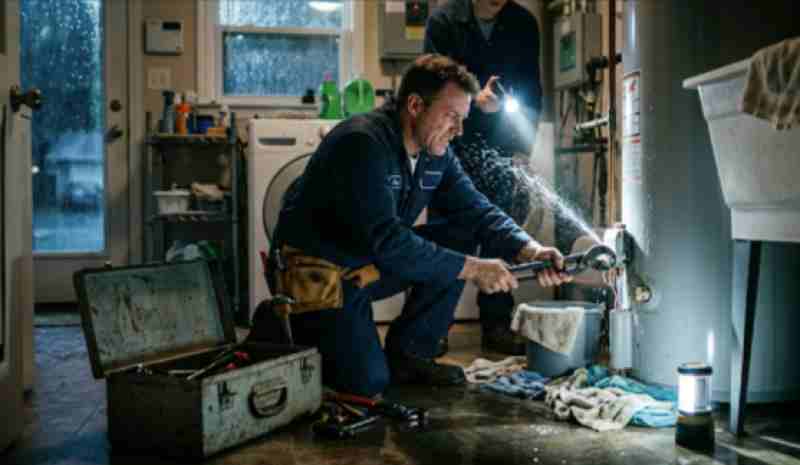
Plumbing emergencies can happen without warning, turning an ordinary day into a stressful situation. A burst pipe, overflowing toilet, or sudden water heater failure can quickly lead to water damage, mold growth, and expensive repairs if left untreated. Knowing how to respond and when to seek professional help can make a significant difference in protecting your home and minimizing repair costs. Homeowners in Dallas should be prepared to recognize the signs of urgent plumbing problems before they become major disasters.
Some plumbing issues require a call right away, while others can wait until morning. Flooding, sewage backups, burst pipes, major leaks, or a plumbing problem that threatens your property should be treated as emergencies and addressed immediately. Minor drips, slow drains, or isolated low water pressure without signs of a larger problem can often wait for regular service. If you notice an urgent issue, contacting an emergency plumber in Dallas, TX is the safest way to prevent additional damage. Quick action can reduce repair expenses, protect your belongings, and restore your plumbing system before the problem worsens.
When to Call an Emergency Plumber in Dallas, TX
Call for emergency plumbing service when water is actively causing damage, sewage is backing up, a pipe has burst, or the plumbing problem creates an immediate risk to your home. Problems such as minor drips or slow drains without signs of severe damage may be handled during normal business hours.
Common Plumbing Emergencies in Dallas Homes
Many plumbing problems develop gradually, while others happen instantly. Understanding the most common emergencies helps you react appropriately.
Burst Pipes
Burst pipes are one of the most damaging plumbing emergencies. Aging pipes, shifting foundations, freezing temperatures, or excessive water pressure can all contribute to pipe failures. Dallas homeowners have experienced the impact of severe winter freezes, including the major freeze events of 2021 and 2023. Even a small crack can release gallons of water in a short period.
Sewer Line Backups
A sewer backup creates serious health and sanitation concerns. Signs include multiple clogged drains, unpleasant odors, slow drainage throughout the house, or wastewater backing up into sinks and tubs.
Water Heater Failure
When a water heater suddenly stops working or begins leaking, it can disrupt daily routines and damage nearby flooring. Strange noises, rusty water, or inconsistent temperatures often indicate developing problems.
Overflowing Toilets
A continuously overflowing toilet can quickly flood a bathroom. While minor clogs may be cleared with a plunger, repeated overflows often indicate a larger blockage within the plumbing system.
Warning Signs You Should Never Ignore
Recognizing early warning signs can prevent a plumbing emergency from becoming more severe. Watch for:
- Unexplained water stains on ceilings or walls
- Sudden drops in water pressure
- Persistent drain backups
- Water pooling around fixtures
- Unusual sounds inside pipes
- Sewage odors inside your home
Addressing these issues promptly helps reduce long-term damage and repair costs.
What You Should Do During a Plumbing Emergency
The first few minutes after discovering a plumbing emergency are critical.
Shut Off the Water Supply
Locate your home's main water shutoff valve and turn it off immediately if you experience a burst pipe or major leak. This simple step limits water damage while repairs are arranged.
Turn Off Electrical Power if Necessary
If water has reached electrical outlets or the electrical panel, do not approach the panel or attempt to shut off the power yourself. Leave the affected area and contact a qualified electrician or your utility provider for assistance.
Avoid Using Plumbing Fixtures
If sewage is backing up or drains are severely clogged, avoid running water until the issue has been diagnosed.
Preventing Future Plumbing Emergencies
While not every emergency is avoidable, routine maintenance significantly reduces the risk.
Helpful preventive measures include:
- Schedule regular plumbing inspections.
- Replace aging or corroded pipes.
- Avoid pouring grease into kitchen drains.
- Install drain strainers to catch debris.
- Monitor water pressure regularly.
- Insulate exposed pipes during cold weather.
Preventive care helps extend the life of your plumbing system and reduces unexpected repair expenses.
Why Fast Response Matters
Water damage spreads quickly through drywall, flooring, insulation, and structural materials. Delaying repairs may also encourage mold growth, increase restoration costs, and create health concerns for your family. Responding immediately allows plumbing professionals to identify the source of the problem, stop further damage, and recommend lasting repairs instead of temporary fixes.
Emergency plumbing services may offer 24/7 dispatch or after-hours assistance for urgent situations. When you call, the plumber can assess the problem, provide initial guidance, and explain what to do while you wait for arrival. Fast access to professional help can limit damage and help restore essential plumbing services sooner.
Conclusion
Plumbing emergencies require quick decisions and immediate action to protect your property. If an urgent situation occurs, contacting an experienced emergency plumber in Dallas, TX can help minimize damage, restore your plumbing system, and keep your home safe for the future.
Short URL: https://shorturl.at/jIyHj
Source:
Click for the: Full Story
You might like










You Might Like this