Close Menu
 World
World
 Biography
 Health
 Education
 Business
 Lifestyle
 Sports
 Technology
 Animals
 History
 Food
Food
 Religious
 Startups
 Movies
 Politics
 Fashion
 Covid
Covid
 Diet
Diet
 Fitness
 Marketing
 Travel
 Science
 Reviews
 Social media
 Stories
 Facts
Facts
 Art
Art
 Entertainment
Deepak

Health
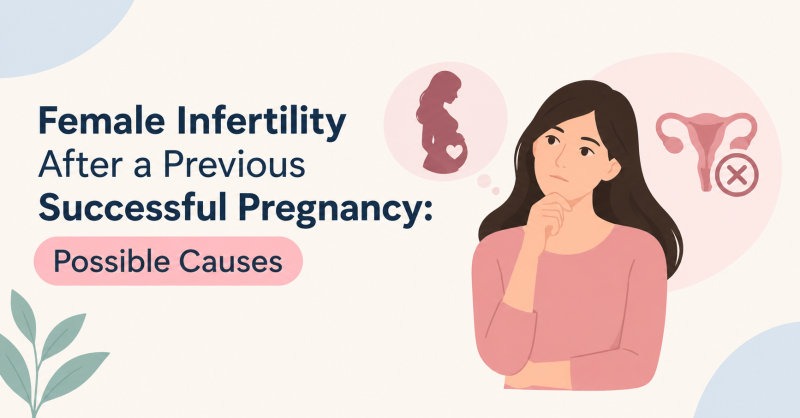
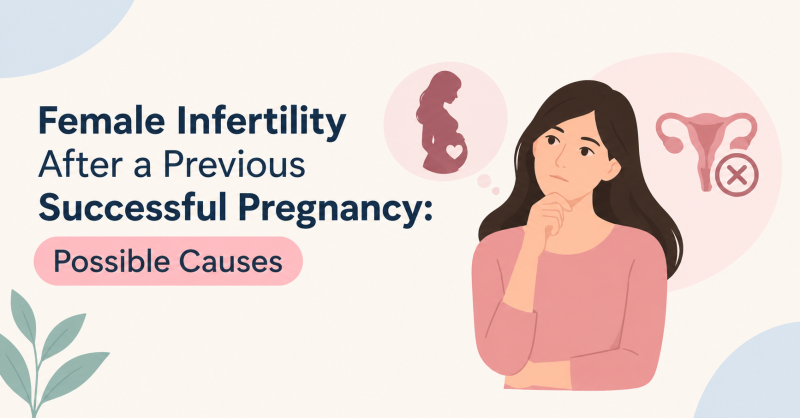
Female Infertility After a Previous Successful Pregnancy: Possible Causes
 Deepak
You conceived once, perhaps easily. So when a second pregnancy doesn't happen, it can feel confusing, even unfair. Many women quietly wonder, "If it worked before, why not now?"
This situation is more common than most people realise. It is called secondary infertility: difficulty conceiving or carrying a pregnancy after you have already had at least one successful pregnancy. A past pregnancy is encouraging, but it doesn't guarantee that your fertility has stayed the same. Your body, health and circumstances may have changed since then.
This blog explains the possible causes, the warning signs, and when to seek expert help. It is written for women searching for female infertility in Delhi and for answers they can trust.
What Is Secondary Infertility?
Secondary infertility generally means not conceiving after 12 months of regular, unprotected intercourse. For women aged 35 or above, doctors usually advise an evaluation after 6 months. It also includes women who conceive but have repeated miscarriages after an earlier live birth.
It is not rare, and it is rarely anyone's fault.
Possible Causes of Female Infertility After a Previous Pregnancy
There is often more than one factor involved. These are the most common ones doctors look at.
1. Age-Related Decline in Egg Quality and Quantity
Even a few years can make a difference. Egg count and quality naturally decline with age, and the decline becomes more noticeable after the mid-30s. If your first child was born several years ago, your ovarian reserve may be lower today than it was then.
2. Ovulation Problems
Ovulation can change over time. Conditions that may interfere with regular ovulation include:
- Polycystic ovary syndrome (PCOS), which can develop or worsen after pregnancy
- Thyroid disorders
- Raised prolactin levels
- Significant weight gain or loss
- Chronic stress or sleep disruption
Cycles may still look fairly regular even when ovulation is irregular, so a symptom check alone isn't always enough.
3. Fallopian Tube Problems
Blocked or damaged tubes can prevent the egg and sperm from meeting. Possible reasons include:
- Pelvic infection or pelvic inflammatory disease
- Scarring from a caesarean section, abdominal surgery or appendix surgery
- A past ectopic pregnancy
- Untreated sexually transmitted infections
Tubal problems can develop silently, with no obvious symptoms.
4. Uterine Conditions
The uterus has to support implantation and growth. Issues that may affect this include:
- Fibroids or polyps
- Scar tissue inside the uterus (adhesions), sometimes after a D&C or infection
- Caesarean scar defects
- Adenomyosis
These are often detectable with an ultrasound or other imaging.
5. Endometriosis
Endometriosis can appear or progress at any stage of a woman's reproductive life. It may cause painful periods, pain during intercourse or chronic pelvic pain, though some women have mild or no symptoms. It can affect the tubes, the ovaries and implantation.
6. Changes in Your Partner's Fertility
Fertility is a shared matter. Sperm count, motility and shape can change with age, lifestyle, medication, infections or health conditions. A complete evaluation should always include the male partner, even when the first pregnancy happened without difficulty.
7. Lifestyle and Health Changes
Since your last pregnancy, some factors may have shifted:
- Body weight and metabolic health
- Smoking, alcohol or caffeine intake
- Long working hours and high stress
- New medical conditions such as diabetes or thyroid disease
- New medications
Small changes in these can add up over the years.
Signs That Deserve Medical Attention
Please consider speaking with a doctor if you notice:
- Irregular, very painful or unusually heavy periods
- Pain during intercourse or persistent pelvic pain
- Two or more miscarriages
- A history of pelvic infection, surgery or ectopic pregnancy
- Unexplained weight changes, excess hair growth or acne
- No pregnancy after 12 months of trying (or 6 months if you are 35 or older)
How Secondary Infertility Is Evaluated
A good fertility evaluation is systematic and unhurried. It usually begins with a detailed discussion of your medical, menstrual and pregnancy history, including how your previous pregnancy and delivery went. Depending on your situation, your doctor may suggest:
- Hormone tests, such as AMH, FSH, thyroid and prolactin, to assess ovarian reserve and ovulation
- Pelvic ultrasound to check the uterus and ovaries
- Tubal assessment, such as HSG, to check whether the tubes are open
- Semen analysis for the partner
- Additional imaging or hysteroscopy if a uterine problem is suspected
Not every woman needs every test. The aim is to find what is relevant to you.
Can Secondary Infertility Be Treated?
In many cases, yes. Treatment depends on the cause and may include lifestyle guidance, medication for ovulation or thyroid issues, treatment of infections, surgical correction of uterine or tubal problems, or assisted options such as IUI or IVF where appropriate. Outcomes differ from person to person, and no responsible doctor can promise a guaranteed result. What a proper evaluation does give you is clarity and a realistic plan.
Choosing the Right Care in Delhi
Many women search for the best female infertility in Delhi, but the more useful question is: who will listen, investigate properly and explain things clearly? Look for an infertility specialist in Delhi who:
- Reviews your full history, not just your latest test
- Explains the reasons behind each test and treatment
- Involves both partners where needed
- Discusses options honestly, including success rates and limitations
- Offers a plan suited to your age, health and goals
Dr. Poonam Goyal is a gynecologist and fertility specialist in Delhi who works with women and couples facing difficulty conceiving, including those who have had a previous pregnancy. A consultation can help you understand what may be affecting your fertility and what next step makes sense.
A Note of Reassurance
Secondary infertility can feel isolating, especially when people around you assume a second child will come easily. It is a medical issue, not a personal failing. Seeking an evaluation early often saves time, and many causes are identifiable and manageable.
If you have been trying to conceive again without success, consider booking a consultation instead of waiting and worrying.
Frequently Asked Questions
1. Can you be infertile after having a baby?
Yes. This is called secondary infertility. Changes in age, ovulation, tubal or uterine health, or a partner's sperm quality can reduce fertility even after an easy first pregnancy.
2. How long should I try before seeing a doctor for secondary infertility?
If you are under 35, a consultation is generally advised after 12 months of trying. If you are 35 or older, or have irregular periods, pelvic pain or a history of miscarriage, it is reasonable to consult after 6 months, or sooner.
3. Can a caesarean section cause problems with conceiving again?
Sometimes. Scarring, adhesions or a scar defect in the uterus can occasionally affect conception or implantation. This is not common to everyone, and an ultrasound or other evaluation can show whether it applies to you.
4. Is secondary infertility treatable?
Many causes are treatable or manageable, using medication, surgery, IUI or IVF depending on the diagnosis. The right approach depends on your tests, age and history, and outcomes cannot be guaranteed.
5. When should I visit an infertility specialist in Delhi?
Consider a visit if you have been trying for 6 to 12 months depending on your age, have irregular cycles, painful periods, a history of pelvic infection or surgery, or have had repeated miscarriages.
Disclaimer: This blog is for educational purposes only and does not replace personalised medical advice. Please consult a qualified doctor for diagnosis and treatment.
Source:
Click for the: Full Story
You might like