Close Menu
 World
World
 Biography
 Health
 Education
 Business
 Lifestyle
 Sports
 Technology
 Animals
 History
 Food
Food
 Religious
 Startups
 Movies
 Politics
 Fashion
 Covid
Covid
 Diet
Diet
 Fitness
 Marketing
 Travel
 Science
 Reviews
 Social media
 Stories
 Facts
Facts
 Art
Art
 Entertainment
Princeton Evans

Technology
Fiber Wire Specifications You Should Know When Using Loopback Cable
 Princeton Evans
Are you looking to ensure optimal performance when using loopback cables in your fiber optic network? Understanding the fiber wire specifications is crucial to guaranteeing smooth and efficient data transmission. In this article, we will explore the key specifications you should be aware of when using loopback cable in your network.
What is a Loopback Cable?
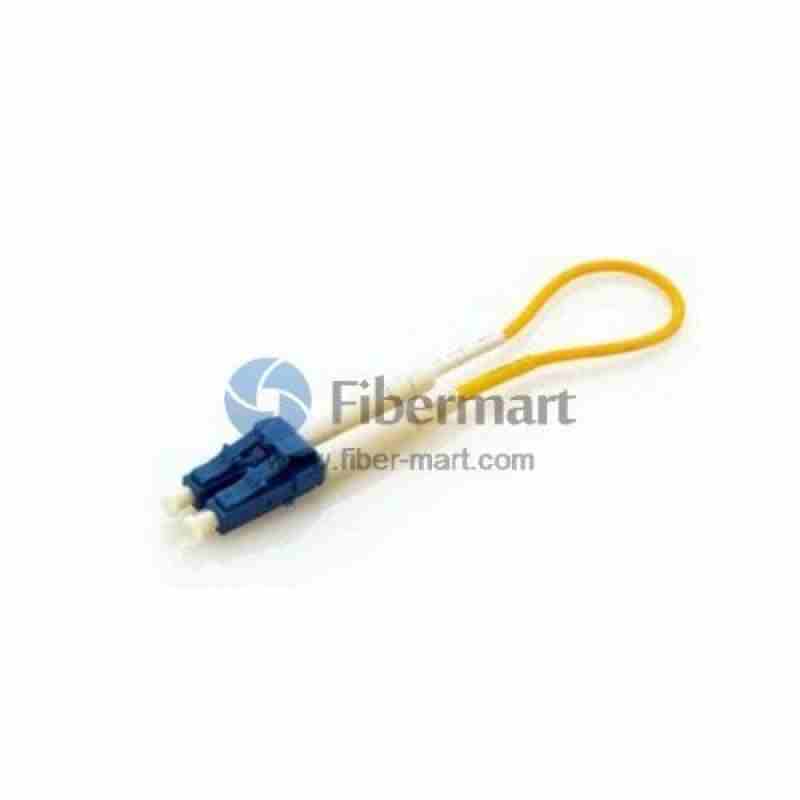
Before diving into the specifications, let's first understand what a loopback cable is. A loopback cable, also known as a loopback plug, is a device used to test the transmission capability and receiver quality of network equipment. It creates a loop of network traffic for testing purposes, allowing you to verify the integrity of the network connection.
Fiber Wire Types
When it comes to loopback cables, there are two main types of fiber wire commonly used: single-mode fiber (SMF) and multi-mode fiber (MMF). SMF is designed for long-distance data transmission, making it ideal for large networks and data centers. On the other hand, MMF is more cost-effective and suitable for shorter distances.
Fiber Core Size
Another important specification to consider when using loopback cables is the fiber core size. The most common core sizes for fiber optic cables are 9/125µm for SMF and 62.5/125µm or 50/125µm for MMF. The core size determines the amount of light that can be transmitted through the fiber, impacting the speed and distance of data transmission.
Connector Type
The connector type is another crucial specification to pay attention to when using loopback cables. The most common connector types for fiber optic cables are LC, SC, and ST. Each connector type has its own unique features and benefits, so make sure to choose the one that best suits your network requirements.
Insertion Loss
Insertion loss refers to the amount of light lost when a fiber optic cable is connected to a device. It is essential to minimize insertion loss to maintain the integrity and efficiency of data transmission. When using loopback cables, ensure that the insertion loss is within acceptable limits to prevent signal degradation.
Return Loss
Return loss is the amount of light reflected back towards the light source due to imperfections in the connection. High return loss can lead to signal loss and interference in the network. When using loopback cables, make sure to check the return loss specifications to ensure optimal performance.
Jacket Material
The jacket material of a fiber optic cable plays a crucial role in protecting the fiber and ensuring durability. Common jacket materials include PVC, LSZH, and OFNR. When selecting loopback cables, consider the environmental conditions and installation requirements to choose the appropriate jacket material for your network.
In conclusion, understanding the fiber wire specifications is essential when using loopback cables in your fiber optic network. By paying attention to key specifications such as fiber core size, connector type, insertion loss, and jacket material, you can ensure optimal performance and reliability in your network. Explore Fibermart's fiber optics and cable products today to experience high-quality optical networks!
Source:
Click for the: Full Story
You might like