Close Menu
 World
World
 Biography
 Health
 Education
 Business
 Lifestyle
 Sports
 Technology
 Animals
 History
 Food
Food
 Religious
 Startups
 Movies
 Politics
 Fashion
 Covid
Covid
 Diet
Diet
 Fitness
 Marketing
 Travel
 Science
 Reviews
 Social media
 Stories
 Facts
Facts
 Art
Art
 Entertainment
Yatin Samra

Technology
How Much Does It Cost to Build an AI Real Estate App?
 Yatin Samra
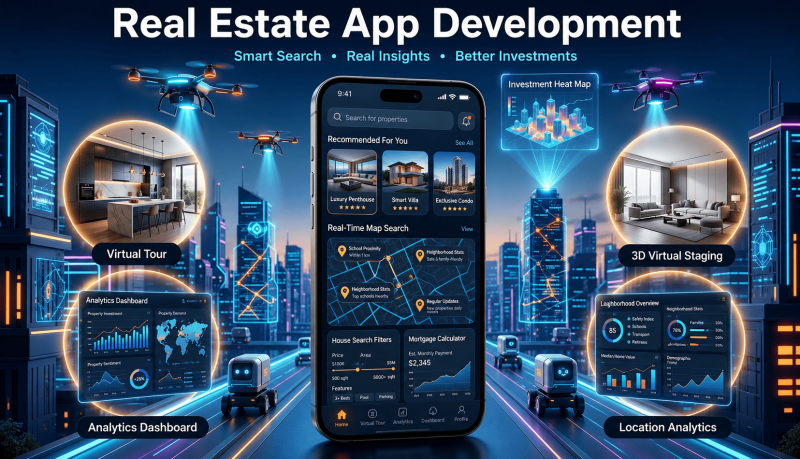
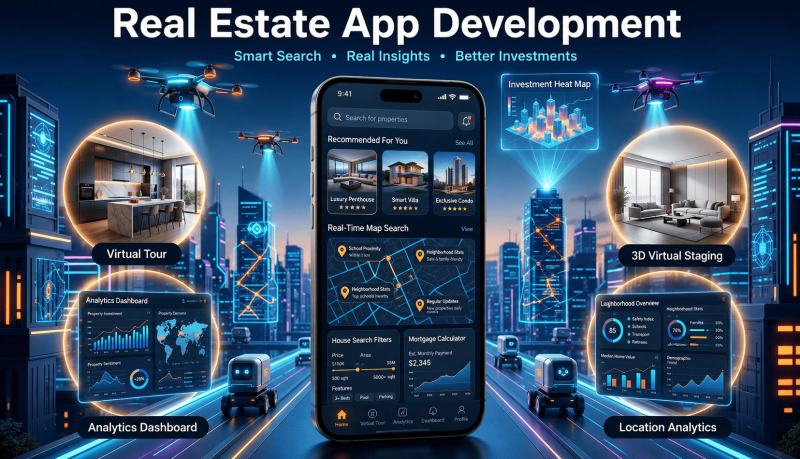
In today's era, the real estate market is experiencing a complete digital revolution as artificial intelligence is changing the dynamics of buyer-seller relationships within the property portals. By 2026, cutting-edge real estate applications are no longer be limited to listings but will have evolved into intelligent ecosystems, driven by AI recommendations and analytics, automation, and virtual properties.
For businesses planning to create real estate app platforms, one of the most common questions is: How much does development realistically cost?
It varies depending on different elements like application complexity, AI implementation, scalability of infrastructure, and plans.
In today's world, intelligent personalization, cloud-based application development, and AI-driven user engagement are the key pillars of modern real estate app development.
Why AI Is Increasing Development Costs
Traditional property apps primarily focused on:
- Property listings
- Basic search filters
- Agent communication
However, AI-powered platforms now integrate advanced features such as:
- Smart property recommendations
- Predictive pricing analysis
- Buyer behavior tracking
- AI chat assistants
- Personalized property feeds
These systems require:
- Machine learning models
- Real-time analytics infrastructure
- Cloud computing resources
- Large-scale data processing
As a result, AI integration significantly impacts overall development costs.
Estimated Cost to Build an AI Real Estate App in 2026
Development costs vary depending on platform size and feature complexity.
Basic MVP Real Estate App
A startup-level MVP with core features may cost:
- $20,000–$45,000
Typical features include:
- Property listings
- Search filters
- User registration
- Map integration
- Basic messaging systems
This stage is ideal for testing market demand before scaling.
Mid-Level AI Real Estate Platform
A scalable app with AI-driven personalization may range between:
- $60,000–$120,000
Additional features may include:
- AI property recommendations
- Advanced search algorithms
- Virtual property tours
- Push notification systems
- CRM integrations
- Real-time analytics dashboards
Most growing startups fall into this category.
Enterprise-Grade AI Property Ecosystem
Large-scale real estate platforms with advanced AI infrastructure may exceed:
- $150,000–$300,000+
These systems often include:
- Predictive investment analytics
- AI-powered lead scoring
- Multi-region scalability
- Smart pricing engines
- AR/VR property visualization
- Enterprise cloud architecture
Enterprise platforms require long-term scalability planning and continuous optimization.
Key Factors That Affect Development Cost
Several variables influence the final project budget.
1. AI Feature Complexity
AI-powered systems require:
- Recommendation engines
- Predictive analytics models
- Behavioral analysis systems
- Machine learning infrastructure
The more intelligent the platform becomes, the higher the development and maintenance cost.
2. Platform Type
Costs increase depending on whether businesses develop:
- iOS apps
- Android apps
- Web platforms
- Cross-platform systems
Many startups now use cross-platform technologies to reduce initial costs.
3. Cloud Infrastructure
Modern property platforms process large amounts of data in real time.
Scalable infrastructure may include:
- AWS
- Google Cloud
- Kubernetes
- AI processing systems
Cloud scalability becomes essential as user activity grows.
4. Virtual Property Features
Virtual engagement systems such as:
- 3D property tours
- AR/VR visualization
- Interactive floor plans
can significantly increase development complexity and infrastructure costs.
Recommended Tech Stack for AI Real Estate Apps
Modern property platforms typically use scalable cloud-native technologies.
Frontend Technologies
- Flutter
- React Native
- Swift
- Kotlin
Backend Technologies
- Node.js
- Python
- Java
- Go
AI & Analytics Tools
- TensorFlow
- OpenAI APIs
- Predictive analytics systems
- Recommendation engines
Cloud Infrastructure
- AWS
- Google Cloud
- Firebase
Choosing the right architecture directly impacts scalability, app performance, and long-term operational costs.
AI Is Transforming User Engagement
Artificial intelligence is becoming one of the most important growth drivers in modern property platforms.
AI-powered systems can personalize:
- Property recommendations
- Search results
- Buyer journeys
- Investment insights
This improves:
- User retention
- Lead conversion
- Platform engagement
Businesses planning to develop real estate app ecosystems increasingly prioritize behavioral personalization systems.
Long-Term Maintenance Costs Matter Too
Many startups underestimate post-launch operational expenses.
Ongoing costs may include:
- Cloud hosting
- AI model optimization
- Security updates
- API maintenance
- Performance monitoring
Maintenance costs typically range between:
- 15%–25% of initial development costs annually.
Scalability planning is essential from the beginning.
Security & Compliance Add Additional Costs
Real estate platforms often handle:
- Financial data
- User identities
- Property documents
- Payment information
Modern security infrastructure may include:
- Encrypted communication
- Multi-factor authentication
- Secure cloud storage
- Fraud prevention systems
Security investments are critical for long-term trust and compliance.
The Future of AI Real Estate Platforms
The next generation of property apps will likely focus on:
- AI-powered investment insights
- Smart city integration
- Predictive buyer analytics
- Virtual property ecosystems
- Personalized property discovery
Real estate platforms are rapidly evolving into intelligent digital property ecosystems powered by AI and automation.
For readers interested in understanding the complete technical workflow and backend architecture behind AI-powered property platforms, the detailed video below explains the process further.
https://youtu.be/xTbpeNv8x1E?si=YFi4k-vuaY9xYWgV
Final Thoughts
The costs of developing real estate app platforms by 2026 are greatly influenced by the complexity of artificial intelligence, the need for scalability, cloud computing, and UX objectives. Contemporary real estate apps are not just listings, but entire intelligent ecosystems based on personalization and AI-powered analysis and automation.
Companies that aim to develop their own real estate app platforms must think of long-term scalability, AI incorporation, efficiency, and personalized UX to compete in the modern digital property industry.
Source:
Click for the: Full Story
You might like