



 Close Menu
 World
World
 Biography
 Health
 Education
 Business
 Lifestyle
 Sports
 Technology
 Animals
 History
 Food
Food
 Religious
 Startups
 Movies
 Politics
 Fashion
 Covid
Covid
 Diet
Diet
 Fitness
 Marketing
 Travel
 Science
 Reviews
 Social media
 Stories
 Facts
Facts
 Art
Art
 Entertainment
Howard Franco

Travel
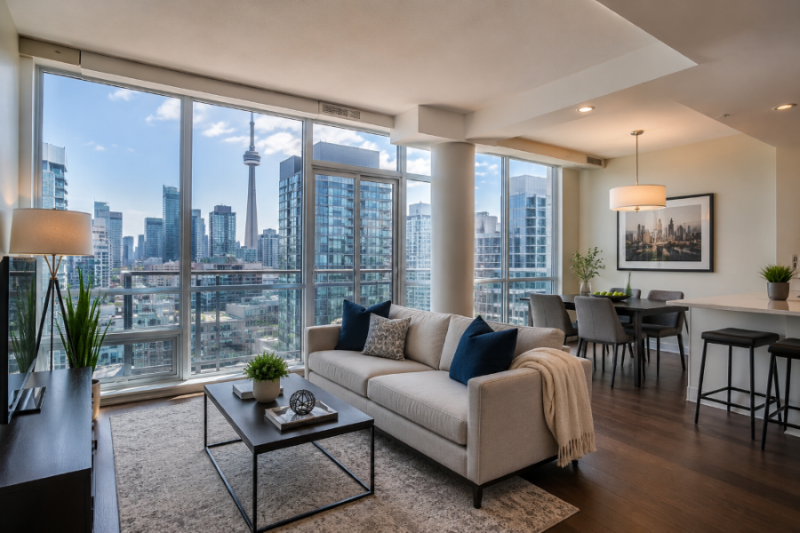
Finding Apartments for Rent in Toronto: A Simple Rental Guide
 Howard Franco
You know the feeling.
You open one rental listing, then another, then another. Soon you have several tabs open and every apartment starts looking similar.
One has a better location. Another has more space. Another is furnished. Then you find one that looks perfect, but the rental terms do not suit your plans.
Apartment hunting becomes easier when you know exactly what you need before comparing properties.
If you are searching for apartments for rent in Toronto, a clear checklist can help you narrow down your options.
What Is Your Main Reason for Renting?
Start with your situation.
Are you moving for work? Relocating with family? Studying? Staying temporarily? Looking for a new long-term home?
Your reason for renting can influence nearly every other decision.
Someone staying for a few months may prefer a furnished apartment. Someone planning a long stay may want more freedom with furniture and decoration.
How Should You Set Your Rental Priorities?
Not every feature can be a priority.
Create three lists:
Must-have: Features you cannot live without.
Nice-to-have: Features that would make the apartment better.
Not important: Features you do not really need.
Your must-have list could include:
- Specific neighbourhood
- Two bedrooms
- Parking
- Furnished space
- Public transit
- Laundry
- Certain building amenities
This simple method can make your search much more focused.
How Does Location Affect Daily Life?
Location is not only about the neighbourhood name.
Look at what surrounds the apartment.
Check the distance to work, public transit, grocery stores, restaurants, parks, schools, and other places you visit often.
Try to imagine an ordinary weekday.
How long would your morning commute take? Where would you buy groceries? How would you get home after dinner?
Thinking about these details can help you judge a location more realistically.
What Type of Apartment Fits Your Lifestyle?
Apartment layouts vary, and each one works differently.
A studio can suit someone who wants a simple compact home. A one-bedroom offers more privacy. A two-bedroom can work for families, roommates, or renters who need an office.
Do not choose only based on the number of rooms.
Look at how usable the space is.
A smart layout can make a moderate-sized apartment feel comfortable, while a poor layout can make a larger home feel awkward.
Are Furnished Apartments a Good Option?
A furnished apartment can save time during a move.
You may not need to purchase major furniture or spend weeks setting up the home.
This can be especially useful for:
- Temporary stays
- Corporate relocations
- Students
- New residents
- People between homes
If you already own furniture, an unfurnished property may make more sense.
Rental Options Compared
FeatureFurnished ApartmentUnfurnished ApartmentMove-inQuick setupMore preparationFurnitureIncludedUsually not includedPersonal designMore limitedMore flexibleTemporary staysConvenientLess convenientSetup costsUsually lowerCan be higher
Think about your expected stay and what you already own.
What Should You Know About Building Amenities?
Amenities can affect your daily experience.
A building may offer fitness facilities, rooftop areas, laundry, parking, shared lounges, or concierge services.
But do not let a long amenities list distract you.
Ask which features actually matter.
For example, a person who works remotely may care about quiet spaces and internet access. A driver may care more about parking.
Practical features often have more value than impressive extras.
What Questions Should You Ask Before Renting?
Never hesitate to ask questions.
Before committing, clarify:
- What is included in the rent?
- How long is the lease?
- Is parking available?
- Are utilities included?
- What furnishings are included?
- How does maintenance work?
- Are there building restrictions?
- Is laundry available?
- What are the move-in requirements?
- Are there additional charges?
Clear answers can help you compare properties fairly.
How Can You Compare Several Listings?
It is easy to forget details when viewing several apartments.
Create a simple table with columns for:
- Location
- Monthly cost
- Bedrooms
- Furnishing
- Parking
- Amenities
- Transit
- Rental period
- Utilities
Then add notes after each viewing.
This makes the decision less dependent on memory.
What Should You Look for During a Viewing?
Pay attention to the things that photos cannot show properly.
Check the amount of natural light, noise levels, storage, room dimensions, appliances, windows, bathrooms, and general condition.
Open closets and check available storage.
Look at the kitchen counter space.
Think about where your furniture would go.
Small details can have a big effect on your experience after moving in.
How Can You Make a Rental Feel More Personal?
You do not need major changes to make a rental comfortable.
Add removable decorative pieces such as:
- Artwork
- Plants
- Rugs
- Cushions
- Lamps
- Curtains
- Decorative storage
Keep the space organized and avoid adding furniture that makes rooms difficult to move around.
A comfortable home should look good while remaining practical.
What Makes a Rental Search Successful?
A successful search is usually based on preparation.
Know your budget, preferred areas, rental duration, space needs, and essential amenities before you start.
Then compare properties using the same checklist.
Do not rush simply because a listing looks attractive.
Take time to understand the rental terms and make sure the property fits your everyday routine.
Final Thoughts
Searching for a Toronto apartment does not need to become overwhelming.
Start with your lifestyle, create clear priorities, compare locations, understand rental terms, and inspect each property carefully.
The right apartment should not only look good in a listing. It should also make sense when you imagine living there every day.
Source:
Click for the: Full Story
You might like









You Might Like this