Close Menu
 World
World
 Biography
 Health
 Education
 Business
 Lifestyle
 Sports
 Technology
 Animals
 History
 Food
Food
 Religious
 Startups
 Movies
 Politics
 Fashion
 Covid
Covid
 Diet
Diet
 Fitness
 Marketing
 Travel
 Science
 Reviews
 Social media
 Stories
 Facts
Facts
 Art
Art
 Entertainment
NF NA

Fitness
From Passion to Profession: The Ultimate Guide to Building a Career in Nutrition and Fitness
 NF NA
NF NA
In today’s fast-paced world, people are becoming increasingly conscious of their health, fitness, and overall well-being. Rising awareness about lifestyle diseases, stress management, and preventive healthcare has created a strong demand for trained professionals who can guide individuals toward healthier choices. Nutrition and fitness have emerged as two of the most dynamic and impactful career fields, offering opportunities to work in hospitals, gyms, wellness centers, corporate organizations, schools, and even through independent practice. Choosing the right education and certification path is essential for anyone who wants to build a credible and successful career in this domain, as it not only shapes knowledge and skills but also determines long-term professional growth and earning potential.
Understanding the Growing Scope of Nutrition and Fitness Careers
The scope of nutrition and fitness careers has expanded significantly over the past decade. With changing lifestyles, sedentary habits, and increasing dependence on processed foods, people are facing a wide range of health challenges, including obesity, diabetes, cardiovascular diseases, and digestive disorders. As a result, individuals and organizations are actively seeking expert guidance to improve their dietary habits and physical activity levels. This demand has led to the creation of diverse career roles such as nutrition consultants, fitness trainers, wellness coaches, sports nutritionists, corporate wellness advisors, and online health educators. Each of these roles requires a strong foundation in scientific principles, practical application, and effective communication, making professional training and certification a critical step for aspirants.
Why Professional Certification Matters in This Field
In a competitive industry, professional certification serves as a mark of credibility, expertise, and commitment. It assures clients and employers that a practitioner has undergone structured training, understands evidence-based practices, and can deliver safe and effective guidance. Certification programs also provide in-depth knowledge of human anatomy, physiology, dietary planning, exercise science, and behavior modification techniques. Moreover, certified professionals are better equipped to stay updated with evolving health trends, research developments, and industry standards. This not only improves their ability to help clients achieve sustainable results but also enhances their professional reputation and career prospects in the long run.
Exploring Fitness and Nutrition Certification for Career Growth
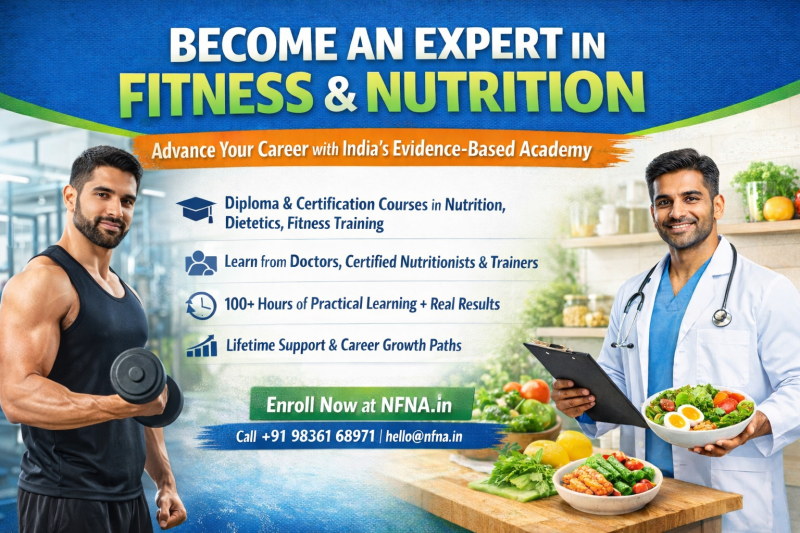
One of the most effective ways to gain structured knowledge and practical skills is through a comprehensive fitness and nutrition certification that integrates both dietary science and physical training principles. Such programs focus on building a holistic understanding of how nutrition and exercise work together to improve overall health, body composition, and performance. Within these courses, learners explore topics such as macro and micronutrient balance, meal planning, workout programming, metabolic health, weight management, and lifestyle coaching. By blending theory with practical application, these certifications prepare individuals to work confidently with diverse client profiles, from beginners to athletes, while also enabling them to design customized wellness plans based on individual goals and health conditions.
Benefits of Certification in Nutrition and Fitness for Professional Success
A well-designed certification in nutrition and fitness opens doors to multiple career opportunities by equipping learners with versatile skills that are highly valued across the health and wellness industry. These programs emphasize a balanced approach that addresses physical training, dietary strategies, mental wellness, and habit formation. Students gain exposure to case studies, client assessments, and real-world scenarios that help bridge the gap between theory and practice. As a result, certified professionals can confidently provide personalized guidance, track progress, and adapt strategies to suit changing client needs. This adaptability not only increases employability but also allows individuals to explore entrepreneurial paths such as starting their own wellness practice, online coaching platform, or health education initiative.
Key Skills Required to Thrive in Nutrition and Fitness Careers
Success in nutrition and fitness is not solely dependent on academic knowledge; it also requires a diverse set of interpersonal and practical skills. Effective communication is essential for understanding client concerns, explaining complex concepts in simple terms, and motivating individuals to stay consistent with their goals. Analytical thinking helps professionals assess health data, identify patterns, and design targeted interventions. Empathy and patience play a crucial role in building trust and supporting clients through lifestyle changes. Additionally, time management, adaptability, and continuous learning are vital in a field that constantly evolves with new research and trends. Developing these skills alongside formal education significantly enhances professional competence and client satisfaction.
Career Pathways and Opportunities in the Industry
The nutrition and fitness industry offers a wide range of career pathways that cater to different interests and strengths. Individuals can choose to work as clinical nutritionists in hospitals, providing dietary guidance to patients with specific medical conditions. Fitness trainers and personal coaches often operate in gyms, studios, or independently, helping clients achieve strength, endurance, and weight management goals. Corporate wellness consultants design programs to improve employee health and productivity, while sports nutritionists support athletes in optimizing performance and recovery. Online coaching and content creation have also gained popularity, allowing professionals to reach a global audience through digital platforms. These diverse opportunities make the field dynamic, flexible, and financially rewarding for dedicated practitioners.
How to Choose the Right Certification Program
Selecting the right certification program is a crucial step in shaping a successful career. Prospective learners should evaluate factors such as curriculum quality, faculty expertise, practical training opportunities, industry recognition, and placement support. A well-rounded program should cover both theoretical foundations and hands-on experience, enabling students to apply knowledge in real-world settings. Accreditation and industry acceptance are equally important, as they influence employability and professional credibility. Additionally, flexible learning options, mentorship, and access to updated resources can greatly enhance the learning experience. Making an informed choice ensures that the investment of time and resources translates into meaningful career outcomes.
Conclusion
Building a career in nutrition and fitness is both fulfilling and impactful, as it allows individuals to contribute directly to the health and well-being of others. With the right education, skills, and mindset, professionals in this field can enjoy diverse opportunities, personal growth, and long-term success. As awareness about preventive healthcare continues to rise, the demand for qualified nutrition and fitness experts will only increase. By committing to structured learning and continuous improvement, aspiring professionals can transform their passion for health into a sustainable and rewarding career that makes a positive difference in countless lives.
Frequently Asked Questions
1. What qualifications are needed to start a career in nutrition and fitness?
A background in science or health is helpful, but many certification programs are designed for beginners and provide comprehensive training, making it possible for anyone with interest and dedication to enter the field.
2. Can I work independently after completing a nutrition and fitness certification?
Yes, certified professionals can start their own practice, offer online coaching, conduct workshops, or collaborate with gyms and wellness centers, depending on their career goals and experience.
3. How long does it take to become a certified nutrition and fitness professional?
The duration varies by program, but most certifications can be completed within a few months to a year, depending on course structure, learning pace, and practical training requirements.
Source:
Click for the: Full Story
You might like