



 Close Menu
 World
World
 Biography
 Health
 Education
 Business
 Lifestyle
 Sports
 Technology
 Animals
 History
 Food
Food
 Religious
 Startups
 Movies
 Politics
 Fashion
 Covid
Covid
 Diet
Diet
 Fitness
 Marketing
 Travel
 Science
 Reviews
 Social media
 Stories
 Facts
Facts
 Art
Art
 Entertainment
Dr Lewis Watson

Lifestyle
Fungal vs. Bacterial Skin Infection: What's the Difference?
 Dr Lewis Watson
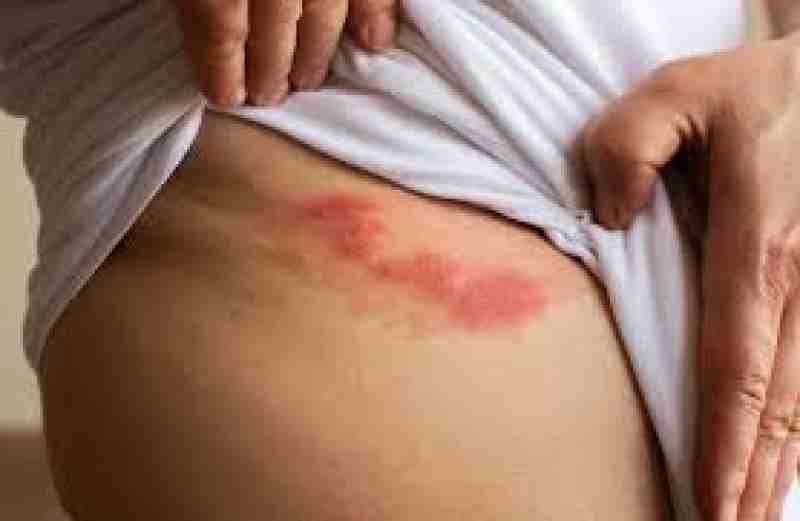
Skin infections are common, but identifying whether they are fungal or bacterial is essential for effective treatment. Although both can cause redness, itching, swelling, and discomfort, they are caused by different microorganisms and require different medications. Using the wrong treatment may delay recovery or worsen the infection. Understanding the symptoms, causes, and treatment options can help you seek appropriate medical care and prevent complications.
What Is a Fungal Skin Infection?
A fungal skin infection is caused by fungi that thrive in warm, moist environments. These infections commonly affect the feet, groin, scalp, and skin folds. They are contagious and can spread through direct skin contact, contaminated towels, clothing, or public showers.
Common fungal skin infections include:
- Athlete's foot
- Ringworm
- Jock itch
- Yeast infections
Typical symptoms include:
- Itchy, red patches
- Circular rash with raised edges
- Dry, flaky, or peeling skin
- Mild burning sensation
Fungal infections usually develop gradually and may persist if left untreated.
What Is a Bacterial Skin Infection?
Bacterial skin infections occur when harmful bacteria enter the skin through cuts, scratches, insect bites, or damaged skin. These infections often develop quickly and can become serious if not treated promptly.
Common bacterial skin infections include:
- Cellulitis
- Impetigo
- Folliculitis
- Boils
Symptoms often include:
- Red, swollen skin
- Pain or tenderness
- Warmth around the infected area
- Pus or yellow-colored discharge
- Fever in severe cases
Unlike fungal infections, bacterial infections usually spread rapidly and may require antibiotic treatment.
Key Differences Between Fungal and Bacterial Skin Infections
Feature Fungal Infection Bacterial Infection Cause Fungi Bacteria Onset Gradual Rapid Main Symptom Itching and scaling Pain, swelling, and pus Appearance Ring-shaped or flaky rash Red, swollen, warm skin Treatment Antifungal medications Antibiotics Contagious Often Sometimes
How Are They Diagnosed?
Doctors typically diagnose skin infections through a physical examination. In uncertain cases, they may perform:
- Skin scraping for fungal testing
- Swab culture to identify bacteria
- Laboratory testing for severe or recurring infections
A correct diagnosis ensures the most effective treatment and prevents unnecessary medication use.
Treatment Options
Treatment depends on the cause of the infection.
For fungal infections, healthcare providers commonly prescribe antifungal creams, powders, or oral medications for more severe infections. If the infection is widespread or resistant, Buy Itraconazole In Australia from a trusted and licensed pharmacy only after receiving a valid prescription. Completing the full treatment course helps prevent recurrence.
For bacterial infections, antibiotics are usually required. Depending on the type of bacteria, doctors may prescribe oral or topical antibiotics. Some infections caused by anaerobic bacteria may respond to medications such as metronidazole australia when clinically appropriate. Likewise, patients seeking treatment through regulated pharmacies may find metronidazole uk online available with a valid prescription. Certain bacterial infections may also be treated with Buy Flagyl 200Mg online, but this medication should only be used under medical supervision to reduce the risk of antibiotic resistance.
Prevention Tips
Many skin infections can be prevented with good hygiene and skin care practices.
Helpful prevention measures include:
- Wash and dry your skin thoroughly every day.
- Avoid sharing towels, razors, or clothing.
- Wear breathable clothing and keep skin folds dry.
- Clean cuts and scratches promptly.
- Wear sandals in public showers and swimming pools.
- Manage conditions such as diabetes that increase infection risk.
When Should You See a Doctor?
Seek medical attention if:
- The rash spreads rapidly.
- There is significant pain or swelling.
- Pus develops.
- You experience fever.
- Symptoms do not improve after several days of treatment.
- The infection repeatedly returns.
Prompt diagnosis helps prevent complications and ensures the appropriate medication is prescribed.
Conclusion
Although fungal and bacterial skin infections may appear similar initially, they differ significantly in their causes, symptoms, and treatment approaches. Fungal infections typically cause itchy, scaly rashes and require antifungal medications, whereas bacterial infections often produce painful, swollen skin with pus and usually require antibiotics. Receiving the correct diagnosis before starting treatment is essential for a faster recovery and to prevent unnecessary medication use. Practicing good hygiene, keeping your skin clean and dry, and consulting a healthcare professional when symptoms worsen are the best ways to protect your skin health.
Source:
Click for the: Full Story
You might like









You Might Like this