Close Menu
 World
 Biography
 Health
 Education
 Business
 Lifestyle
 Sports
 Technology
 Animals
 History
 Food
 Religious
 Startups
 Movies
 Politics
 Fashion
 Covid
 Diet
 Fitness
 Marketing
 Travel
 Science
 Reviews
 Social media
 Stories
 Facts
 Art
 Entertainment
Ronald Carlson

Technology
How a Well Planned BMS Control System Solves Rising Energy Costs and Uncomfortable Building Conditions
 Ronald Carlson
A bms control system quietly decides whether a building feels comfortable, whether energy bills stay reasonable and whether small faults are caught early or grow into expensive failures. Many facility managers only think about it when a tenant complains about a cold meeting room or an invoice arrives higher than expected. This article explains what such a system does, which problems it solves and how to decide whether your building needs a replacement or simply a smarter upgrade.
The Problems Most Building Owners Face
Most buildings begin with separate controls for air conditioning, lighting and security. Each one works to its own schedule, so nobody sees the full picture. Equipment keeps running in empty rooms, temperature complaints are handled one phone call at a time, and maintenance teams spend their days reacting instead of planning. Over time this scattered arrangement wastes energy and wears out equipment sooner than it should.
How a BMS Control System Works in Practice
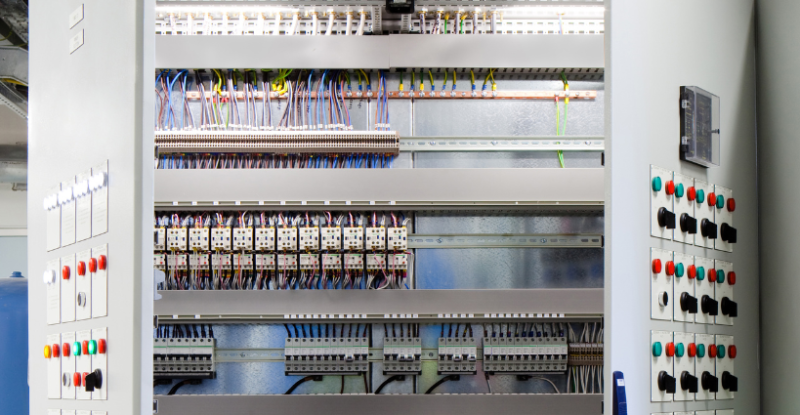
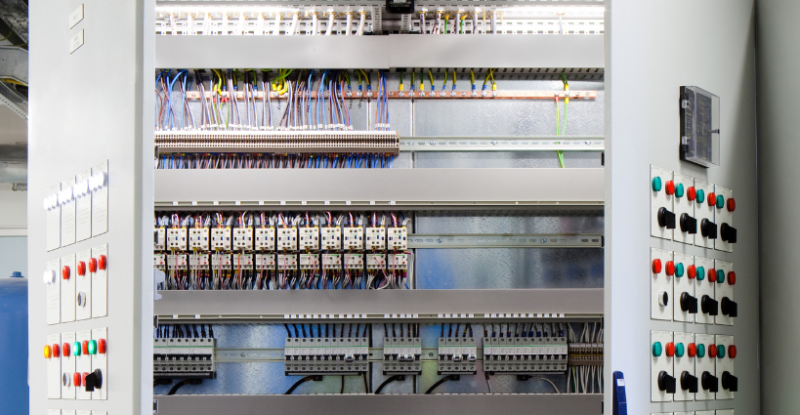
At its core the platform connects sensors, controllers and mechanical equipment to one software view. Temperature, humidity, carbon dioxide levels and equipment status are gathered continuously and compared with the settings you choose. When conditions drift, fans, valves and dampers are adjusted automatically. Facility teams can review alarms, study trends and change schedules from a single screen, which removes much guesswork from daily operations.
Where Upgrades and Integration Make the Difference
Not every building needs a complete replacement. Ageing controllers can often be retrofitted, and older equipment can be linked to lighting, security and fire systems so that everything reports to the same platform. A careful assessment of the current installation usually reveals where energy is being lost and which upgrades will return the most value. Hospitals, data centres, hotels and high rise offices all have different priorities, so the design should follow the way your building is actually used.
Choosing a Partner You Can Rely On
Good results depend heavily on who designs, installs and looks after the system. ControlWorks has spent more than twenty years designing, upgrading and maintaining building controls across Australia, with local service teams and round the clock support. That experience matters because every building behaves differently, and a tailored, carefully commissioned solution with proper support after handover will always outperform a generic one.
Questions to Ask Before You Commit
Before approving any project, ask how energy use will be reported, how alarms will be prioritised, how your staff will be trained and what ongoing support looks like. Request a clear plan for commissioning and for future expansion. A provider who answers these questions plainly has usually done the work many times before.
Conclusion
A building that is hard to control is expensive to run and tiring to manage. With careful planning, a bms control system brings comfort, efficiency and visibility together in one place, and it gives your team time to focus on improvements rather than emergencies. Start with an honest review of how your building performs today, then choose a solution that genuinely fits it.
Source:
Click for the: Full Story
You might like