



 Close Menu
 World
World
 Biography
 Health
 Education
 Business
 Lifestyle
 Sports
 Technology
 Animals
 History
 Food
Food
 Religious
 Startups
 Movies
 Politics
 Fashion
 Covid
Covid
 Diet
Diet
 Fitness
 Marketing
 Travel
 Science
 Reviews
 Social media
 Stories
 Facts
Facts
 Art
Art
 Entertainment
ISO Certification

Business
How Can Jordanian Herbal and Medicinal Plant Producers Achieve GACP Certification and Access Global Markets?
 ISO Certification
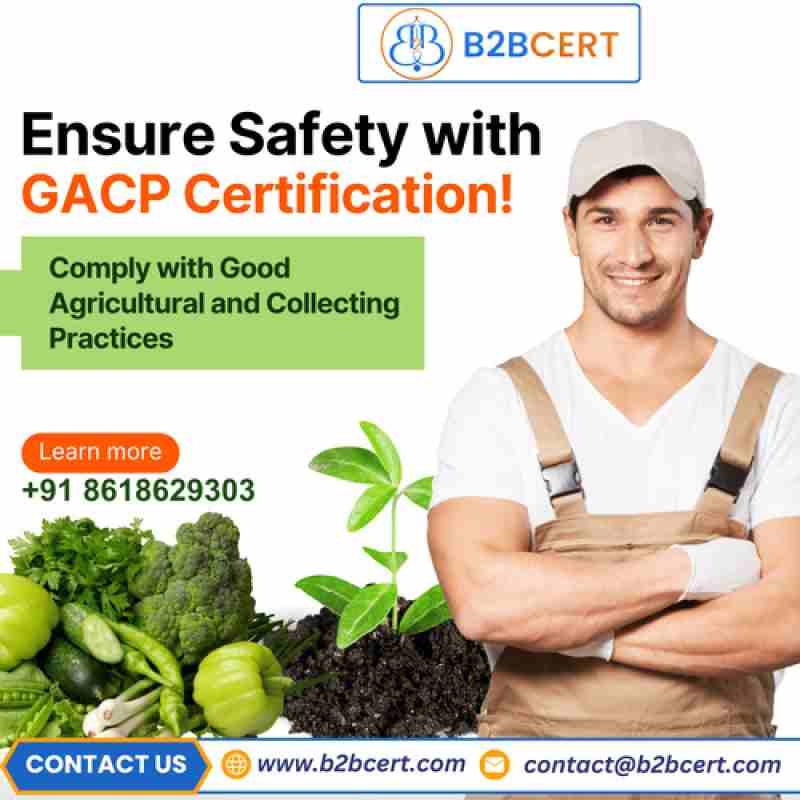
Jordan is blessed with remarkable botanical diversity — from the fertile highlands of Ajloun and the Dead Sea valley to the arid landscapes of Wadi Rum — producing a rich variety of medicinal and aromatic plants that have been cultivated and traded for centuries. As global demand for herbal medicines, phytopharmaceuticals, and botanical ingredients surges, Jordanian producers face a defining opportunity to capture international market share. But accessing regulated markets in Europe, North America, and the Gulf requires more than quality produce — it demands internationally certified Good Agricultural and Collection Practices. Partnering with a professional GACP certification consultant in Jordan is the most direct route to achieving this credential, satisfying international regulatory requirements, and positioning Jordan's botanical sector as a globally trusted supplier.
What Is GACP and Why Is It Essential for Jordanian Medicinal Plant Producers?
GACP — Good Agricultural and Collection Practices — is the internationally recognized quality and safety framework governing the cultivation, wild collection, primary processing, and documentation of medicinal and aromatic plants. Developed through guidelines published by the World Health Organization (WHO) and adopted across the European Union's herbal medicines regulatory framework, GACP ensures that medicinal plant raw materials are produced under controlled, traceable, and consistent conditions that protect product quality, consumer safety, and environmental sustainability.
For Jordanian producers, GACP certification carries profound commercial significance. The European Medicines Agency (EMA) requires GACP compliance for herbal medicinal product raw material suppliers entering the EU market. International pharmaceutical companies, botanical ingredient buyers, and herbal supplement manufacturers require documented GACP compliance from their raw material suppliers as a condition of purchase. Without GACP certification, Jordanian medicinal plant producers face significant barriers to accessing the premium international markets where their high-quality botanicals command the greatest value.
Which Jordanian Organizations Need a GACP Certification Consultant?
GACP applies across the medicinal and aromatic plant supply chain in Jordan. Organizations that most commonly benefit from specialist GACP certification consultant support include:
- Medicinal and aromatic plant farmers cultivating species such as black seed, chamomile, sage, thyme, oregano, lavender, and milk thistle for export markets
- Wild plant collectors and cooperatives harvesting naturally occurring medicinal species from Jordan's diverse ecosystems
- Herbal raw material exporters supplying pharmaceutical manufacturers, herbal medicine producers, and botanical ingredient companies in Europe, the Gulf, and beyond
- Phytopharmaceutical companies using Jordanian-grown botanical raw materials in their licensed herbal medicinal products
- Essential oil and botanical extract producers requiring GACP-certified raw material inputs for their processing operations
- Agricultural cooperatives and development organizations supporting Jordan's medicinal plant sector with structured quality management frameworks
- Research institutions and universities conducting clinical or regulatory studies requiring authenticated, quality-controlled plant materials
What Does a GACP Certification Consultant in Jordan Help Your Operation Achieve?
Implementing GACP across agricultural and wild collection operations requires expertise in both botanical quality management and the specific regulatory requirements of target export markets. A qualified GACP certification consultant in Jordan provides comprehensive, practical support across every stage of implementation:
- GACP gap analysis: Evaluating your current cultivation, collection, handling, and documentation practices against WHO GACP Guidelines and EU GACP requirements — identifying all areas requiring development or improvement
- Species authentication and botanical identity documentation: Establishing rigorous procedures for plant species identification, variety selection, and botanical identity verification as required by GACP standards
- Cultivation and collection site assessment: Evaluating growing environments, soil quality, water sources, and collection areas for suitability and potential contamination risks — including heavy metals, pesticide residues, and microbial hazards
- Agronomic practice documentation: Developing comprehensive records of soil preparation, planting, irrigation, fertilization, pest and disease management, and harvesting practices aligned to GACP requirements
- Pesticide and input management programs: Establishing controlled, documented approaches to agrochemical use that minimize residues and comply with maximum residue limits (MRLs) in target export markets
- Harvesting, drying, and primary processing controls: Building quality control procedures for harvest timing, post-harvest handling, drying methods, moisture control, and primary processing that preserve botanical quality and prevent contamination
- Traceability and batch documentation systems: Implementing field-to-factory traceability systems that track every batch of plant material from collection site or cultivation plot through to final dispatch
- Environmental and sustainability documentation: Demonstrating responsible collection practices for wild-harvested species — including population assessment, sustainable yield limits, and biodiversity protection measures
- Staff training programs: Training agricultural workers, collectors, and quality personnel in GACP principles, documentation requirements, and their individual responsibilities
Blog | Agricultural & Medicinal Plant Compliance | Jordan
How Can Jordanian Herbal and Medicinal Plant Producers Achieve GACP Certification and Access Global Markets?
Jordan is blessed with remarkable botanical diversity — from the fertile highlands of Ajloun and the Dead Sea valley to the arid landscapes of Wadi Rum — producing a rich variety of medicinal and aromatic plants that have been cultivated and traded for centuries. As global demand for herbal medicines, phytopharmaceuticals, and botanical ingredients surges, Jordanian producers face a defining opportunity to capture international market share. But accessing regulated markets in Europe, North America, and the Gulf requires more than quality produce — it demands internationally certified Good Agricultural and Collection Practices. Partnering with a professional GACP certification consultant in Jordan is the most direct route to achieving this credential, satisfying international regulatory requirements, and positioning Jordan's botanical sector as a globally trusted supplier.
What Is GACP and Why Is It Essential for Jordanian Medicinal Plant Producers?
GACP — Good Agricultural and Collection Practices — is the internationally recognized quality and safety framework governing the cultivation, wild collection, primary processing, and documentation of medicinal and aromatic plants. Developed through guidelines published by the World Health Organization (WHO) and adopted across the European Union's herbal medicines regulatory framework, GACP ensures that medicinal plant raw materials are produced under controlled, traceable, and consistent conditions that protect product quality, consumer safety, and environmental sustainability.
For Jordanian producers, GACP certification carries profound commercial significance. The European Medicines Agency (EMA) requires GACP compliance for herbal medicinal product raw material suppliers entering the EU market. International pharmaceutical companies, botanical ingredient buyers, and herbal supplement manufacturers require documented GACP compliance from their raw material suppliers as a condition of purchase. Without GACP certification, Jordanian medicinal plant producers face significant barriers to accessing the premium international markets where their high-quality botanicals command the greatest value.
Which Jordanian Organizations Need a GACP Certification Consultant?
GACP applies across the medicinal and aromatic plant supply chain in Jordan. Organizations that most commonly benefit from specialist GACP certification consultant support include:
- Medicinal and aromatic plant farmers cultivating species such as black seed, chamomile, sage, thyme, oregano, lavender, and milk thistle for export markets
- Wild plant collectors and cooperatives harvesting naturally occurring medicinal species from Jordan's diverse ecosystems
- Herbal raw material exporters supplying pharmaceutical manufacturers, herbal medicine producers, and botanical ingredient companies in Europe, the Gulf, and beyond
- Phytopharmaceutical companies using Jordanian-grown botanical raw materials in their licensed herbal medicinal products
- Essential oil and botanical extract producers requiring GACP-certified raw material inputs for their processing operations
- Agricultural cooperatives and development organizations supporting Jordan's medicinal plant sector with structured quality management frameworks
- Research institutions and universities conducting clinical or regulatory studies requiring authenticated, quality-controlled plant materials
What Does a GACP Certification Consultant in Jordan Help Your Operation Achieve?
Implementing GACP across agricultural and wild collection operations requires expertise in both botanical quality management and the specific regulatory requirements of target export markets. A qualified GACP certification consultant in Jordan provides comprehensive, practical support across every stage of implementation:
- GACP gap analysis: Evaluating your current cultivation, collection, handling, and documentation practices against WHO GACP Guidelines and EU GACP requirements — identifying all areas requiring development or improvement
- Species authentication and botanical identity documentation: Establishing rigorous procedures for plant species identification, variety selection, and botanical identity verification as required by GACP standards
- Cultivation and collection site assessment: Evaluating growing environments, soil quality, water sources, and collection areas for suitability and potential contamination risks — including heavy metals, pesticide residues, and microbial hazards
- Agronomic practice documentation: Developing comprehensive records of soil preparation, planting, irrigation, fertilization, pest and disease management, and harvesting practices aligned to GACP requirements
- Pesticide and input management programs: Establishing controlled, documented approaches to agrochemical use that minimize residues and comply with maximum residue limits (MRLs) in target export markets
- Harvesting, drying, and primary processing controls: Building quality control procedures for harvest timing, post-harvest handling, drying methods, moisture control, and primary processing that preserve botanical quality and prevent contamination
- Traceability and batch documentation systems: Implementing field-to-factory traceability systems that track every batch of plant material from collection site or cultivation plot through to final dispatch
- Environmental and sustainability documentation: Demonstrating responsible collection practices for wild-harvested species — including population assessment, sustainable yield limits, and biodiversity protection measures
- Staff training programs: Training agricultural workers, collectors, and quality personnel in GACP principles, documentation requirements, and their individual responsibilities
How Does GACP Certification Unlock Commercial Opportunities for Jordan's Botanical Sector?
The market access and commercial returns from GACP certification are transformative for Jordanian medicinal plant producers operating in a sector where quality credentials directly determine market access and price premium:
- Direct access to the EU herbal medicines raw material market — where EMA GACP compliance is a regulatory prerequisite for botanical ingredient suppliers to licensed herbal product manufacturers
- Qualification as an approved supplier to international pharmaceutical, nutraceutical, and botanical extract companies that mandate GACP certification in their supplier qualification programs
- Significantly higher export prices for certified, traceable, consistently documented botanical raw materials compared to uncertified commodity-grade produce
- Stronger relationships with Gulf pharmaceutical manufacturers and herbal product companies that are increasingly applying GACP sourcing requirements to their raw material procurement
- Enhanced credibility with international development organizations and sustainability-focused buyers who prioritize traceable, environmentally responsible botanical sourcing from certified producers
- Alignment with Jordan's national strategy to develop high-value agricultural exports and position its medicinal plant sector as a premium global supplier
What Is the GACP Certification Process in Jordan?
With experienced consultant guidance, the GACP certification journey in Jordan follows a structured and practical path suited to both agricultural and wild collection operations:
- Initial GACP gap assessment evaluating current practices against WHO and EU GACP requirements across cultivation, collection, handling, and documentation
- Site and species suitability evaluation confirming growing environments, collection areas, and plant species meet GACP baseline requirements
- GACP management system and documentation development covering all required procedures, records, and quality control systems
- Agronomic practice and input management program implementation with full documentation and monitoring records
- Traceability system establishment linking every batch to its origin, cultivation conditions, and handling history
- Staff training and competence verification across all roles involved in cultivation, collection, and post-harvest handling
- Internal audit and pre-certification review verifying GACP system effectiveness and documentation completeness
- Third-party GACP inspection by a recognized certification or inspection body
- Certificate issuance with annual surveillance to maintain ongoing compliance and continuous improvement
How Long Does GACP Certification Take for Jordanian Producers?
The timeline for GACP certification varies depending on the complexity of your operation — the number of species, cultivation sites or collection areas, and the maturity of your existing quality management practices. Most Jordanian medicinal plant producers complete the GACP certification process within four to eight months with dedicated consultant support. Operations that already maintain basic agricultural quality records or hold other food safety or organic certifications often progress more quickly. An experienced GACP certification consultant in Jordan ensures implementation is practically grounded in Jordan's agricultural realities while meeting the exacting documentation standards required by international pharmaceutical buyers and European regulatory authorities.
Frequently Asked Questions
Q1. Is GACP the same as organic certification for Jordanian medicinal plant producers?
No — GACP and organic certification are distinct frameworks with different focuses and purposes. Organic certification governs the absence of synthetic agrochemicals and GMOs in production. GACP governs the overall quality, safety, identity, traceability, and consistency of medicinal plant raw materials — covering species authentication, cultivation conditions, harvesting practices, primary processing, and documentation systems. Many Jordanian producers pursue both certifications simultaneously, as they address complementary buyer requirements in the international botanical ingredients market.
Q2. Does GACP certification apply to wild-harvested medicinal plants in Jordan as well as cultivated species?
Yes. GACP specifically addresses both cultivated and wild-collected medicinal plants. For wild-harvested species — which are particularly significant in Jordan's diverse natural ecosystems — GACP requires documentation of collection sites, species population assessments, sustainable yield practices, collector training, and environmental protection measures. Wild collection GACP compliance demonstrates responsible sourcing to international buyers who are increasingly scrutinizing the sustainability credentials of their botanical raw material supply chains.
Q3. Which international markets require GACP certification from Jordanian medicinal plant exporters?
The European Union is the most significant market requiring GACP compliance — the EMA's guidelines on quality of herbal medicinal products mandate GACP for raw material suppliers. Germany, France, the Netherlands, and the UK are major import destinations for certified Jordanian botanicals. Gulf pharmaceutical manufacturers in Saudi Arabia and the UAE are increasingly applying GACP sourcing requirements. North American dietary supplement manufacturers also commonly require GACP documentation as part of their supplier qualification under FDA dietary supplement cGMP regulations.
Ready to Achieve GACP Certification and Access Premium Global Markets from Jordan?
B2BCert's agricultural compliance specialists provide expert GACP implementation and certification support for Jordanian medicinal and aromatic plant producers — from cultivation practice assessment and documentation development through to successful third-party certification and international buyer qualification.
#GACPCertificationJordan #GACPCertificationConsultantInJordan
Source:
Click for the: Full Story
You might like









You Might Like this