



 Close Menu
 World
World
 Biography
 Health
 Education
 Business
 Lifestyle
 Sports
 Technology
 Animals
 History
 Food
Food
 Religious
 Startups
 Movies
 Politics
 Fashion
 Covid
Covid
 Diet
Diet
 Fitness
 Marketing
 Travel
 Science
 Reviews
 Social media
 Stories
 Facts
Facts
 Art
Art
 Entertainment
Tasha

Education
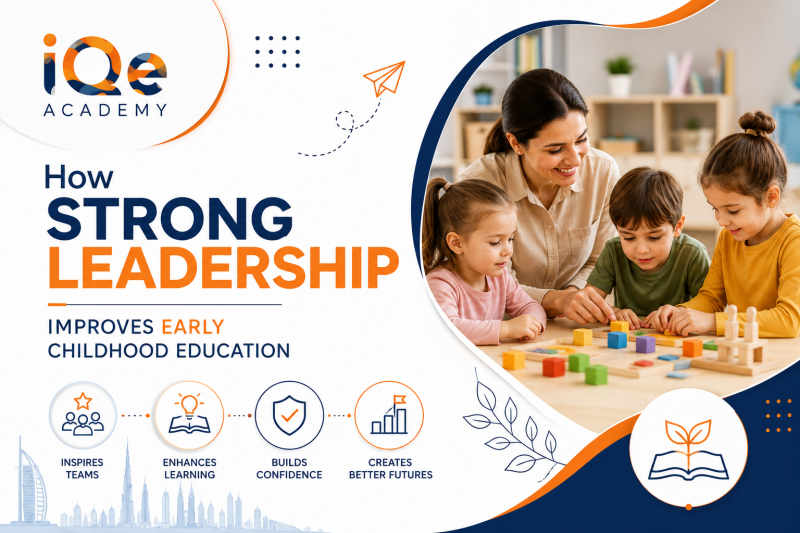
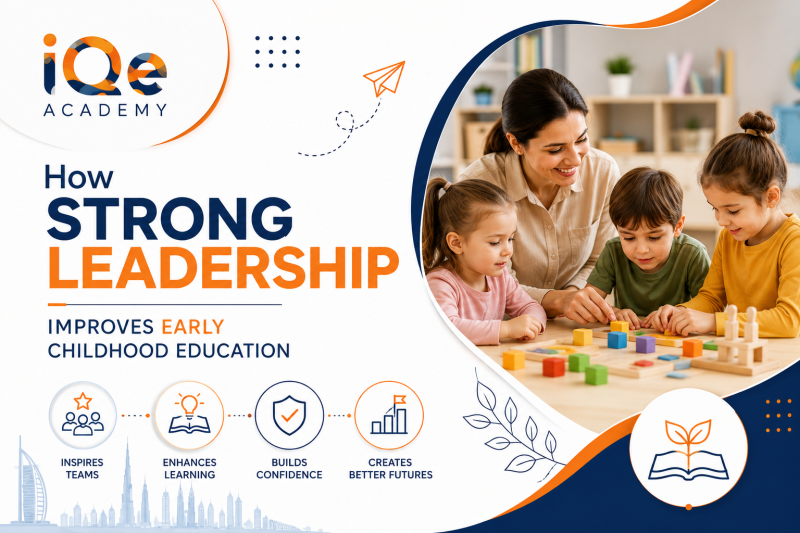
How can strong leadership enhance early childhood education
 Tasha
Tasha
The quality of leadership in any school is crucial to its success. An effective leader in Early Years Education assists in developing positive early childhood education environments in which children, teachers and families can flourish. They lead educational teams, assist in professional learning, and ensure high standards are upheld during the learning process.
In the changing landscape of early years education, leadership is now more crucial than ever. Leaders with expertise provide a vision to help create learning opportunities that foster children's development and contribute to the creation of effective and efficient learning communities.
The Leadership in Early Childhood Education Matters
Good leadership in early childhood education is more than just operating the day-to-day business. Educational leaders establish aims, ignite teams, and develop a vision for learning. Their choices have an impact on teaching, the classroom ethos and learning outcomes.
Clear leadership and direction make educators feel better prepared. When children are confident, they have more positive learning experiences. Good school leadership fosters co-operation, communication and improvement.
Establishing a positive learning environment
Children learn best in an environment where they feel safe, supported and valued. Great leaders help to establish conditions where these are in place. They set policy and practice that prioritize children's health and wellbeing, and support positive learning experiences.
Good leadership also promotes consistency in classrooms. If teachers are working towards the same objectives children are given a more structured and supportive learning environment. This helps young children build confidence and actively participate in classroom activities.
Supporting teachers and educators
Teachers are at the heart of early childhood education. A good leader will know how to lead and develop staff through constructive guidance, training and encouragement. They support teachers to enhance their teaching and learning practices to new methods.
Professional development is a major component of successful schools. Investing in staff development leads to better teaching skills and improved learning outcomes. Supports for educators who feel supported lead to high quality instruction and care.
Encouraging Effective Communication
Effective communication is critical in an educational setting. Leaders are a key force in establishing good relationships between teachers, parents and children. It is important to be open in communicating and build trust and collaboration.
Great leadership is also evident in the schools for parents. Clear and effective communication between the school and the home leads to parent involvement in their children's learning process. This collaboration assists in building a more robust network of assistance for younger learners.
Promoting High Educational Standards
High standards are maintained through good leadership in all areas of early childhood education. Leaders lead the teaching and learning and track outcomes and ensure that learning goals are being met.
Educational leaders work to improve the quality, which supports school and nursery provision to deliver high-quality learning experiences. Their dedication to excellence supports children's long-term success, as well as educators' success.
Creating Future Educational Leaders
The need for qualified education managers is rising. Schools and nursery schools are growing and require staff who are able to lead and manage teams, run learning programmes and facilitate educational development.
Many teachers opt to pursue higher degrees in order to build their leadership skills. These programs provide skills training in management, decision making, communication and strategic planning. Effective leadership development programs make employees more ready for roles in the educational system.
Professional development is essential for success
An ongoing education is vital for educational leaders. The education sector is constantly impacted by new teaching methods, new educational technologies, and new research in child development. Leaders who keep learning will be able to make decisions that are considered from an informed perspective, improving the benefits for their teams and students.
Professional development programs support educators in their development of the skills they need to lead well. Training opportunities like those offered by education institutions like IQE Academy help education professionals develop into leaders and grow their careers.
Benefits of Strong Leadership for Children
When leaders do a good job, their influence is most evident in children's learning experiences. Effective leaders foster conditions for effective teaching. This results in stimulating lessons, good interactions within the classroom and enhanced provision for the needs of individual children.
When children learn in an environment that is well-managed with great educational resources, they develop better communication skills, confidence and enthusiasm for learning. These benefits can last in their educational experiences and be applied to future success.
Conclusion
The role of leadership plays an important factor to enhance early childhood education. Leaders help teachers, set high expectations and provide children with positive learning environments in which to flourish. Their input ensures that schools and nurseries provide children with exciting learning experiences that promote learning and personal growth.
The demand for competent leaders will continue to be vital in today's expanding education sector. Organizations can invest in leadership development and professional growth, which will result in better teams and future generations.
Source:
Click for the: Full Story
You might like








You Might Like this