Close Menu
 World
World
 Biography
 Health
 Education
 Business
 Lifestyle
 Sports
 Technology
 Animals
 History
 Food
Food
 Religious
 Startups
 Movies
 Politics
 Fashion
 Covid
Covid
 Diet
Diet
 Fitness
 Marketing
 Travel
 Science
 Reviews
 Social media
 Stories
 Facts
Facts
 Art
Art
 Entertainment
Aadvik Smith

Business
How Community Connection Strengthens NDIS Support Outcomes
 Aadvik Smith
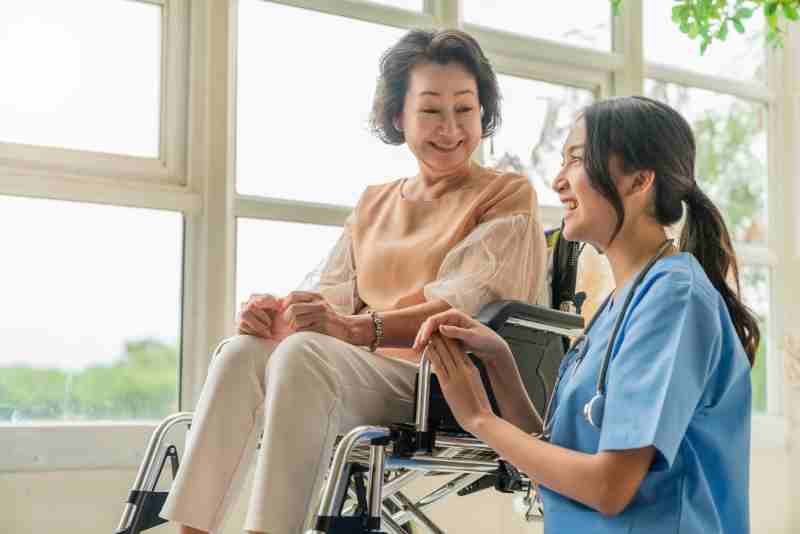
Disability support often focuses heavily on individual care, yet community connection plays an equally important role in overall wellbeing. Thoughtful NDIS support recognises this, integrating social engagement alongside daily assistance to create a fuller, more balanced life.
Why Isolation Undermines Progress
Even with excellent personal care, isolation can quietly erode confidence and motivation. Participants who spend most of their time without social interaction often struggle to maintain enthusiasm for life skills development or personal goals. Connection, therefore, is not optional, it is essential.
Recognising this, strong support plans intentionally include opportunities for participants to engage with others, rather than treating social interaction as a separate or secondary concern.
The Role of Community Participation
Community participation and group based activities give participants structured opportunities to build friendships, practice social skills, and feel genuinely included. These experiences often boost confidence in ways that purely individual support cannot replicate.
Common benefits of community participation include:
- Reduced feelings of loneliness and isolation
- Improved communication and social confidence
- Opportunities to practice life skills in real settings
- A stronger sense of belonging within the local area
- Increased motivation toward personal goals
Daily Support That Enables Connection
Before participants can engage socially, certain practical needs must be met. Assistance with personal care, mobility, and transport ensures participants can actually attend community activities comfortably and safely. Without this foundation, social opportunities remain inaccessible, regardless of how valuable they might be.
This is why strong NDIS disability support treats personal care and community access as interconnected, rather than separate services operating independently of each other.
Clinical Support Behind Community Engagement
For participants with complex health needs, community nursing plays a quiet but crucial role in enabling social participation. Medication management and health monitoring ensure participants feel physically well enough to engage confidently, rather than staying home out of caution or discomfort.
This clinical oversight often goes unnoticed publicly, yet it directly enables the social experiences participants enjoy.
Building Life Skills Through Real World Practice
Community settings offer something structured lessons alone cannot, real world practice. Whether it is managing a small budget during an outing or communicating confidently in a group setting, these experiences reinforce life skills development in genuinely meaningful ways.
Over time, participants often transfer these social experiences into greater confidence at home and within supported independent living arrangements.
Cultural Connection Within the Community
Melbourne's multicultural makeup means community connection often has a cultural dimension too. Access to Chinese and Vietnamese speaking support workers helps participants engage comfortably within culturally familiar settings, strengthening both social confidence and personal identity.
This cultural alignment can make community participation feel far more natural, since participants are not navigating unfamiliar language barriers alongside new social experiences.
What Families Should Encourage
- Regular participation in group activities, where appropriate
- Open conversations about social goals and comfort levels
- Patience as social confidence develops gradually
- Collaboration with support coordinators on community access
- Celebration of small social milestones along the way
Long Term Benefits of Staying Connected
Participants who remain socially engaged often show stronger overall wellbeing, including improved mood, motivation, and willingness to pursue independence. This reinforces why community connection should always be considered a core component of effective support, not an optional extra.
Conclusion
Genuine NDIS support looks beyond individual tasks, recognising that human connection plays a vital role in overall wellbeing. When community participation is woven into daily care, participants gain far more than assistance, they gain belonging, confidence, and a richer, more socially connected life.
Source:
Click for the: Full Story
You might like