



 Close Menu
 World
World
 Biography
 Health
 Education
 Business
 Lifestyle
 Sports
 Technology
 Animals
 History
 Food
Food
 Religious
 Startups
 Movies
 Politics
 Fashion
 Covid
Covid
 Diet
Diet
 Fitness
 Marketing
 Travel
 Science
 Reviews
 Social media
 Stories
 Facts
Facts
 Art
Art
 Entertainment
kevin

Business
How Conservatory Insulation Reduces Energy Bills and Boosts Efficiency
 kevin
kevin
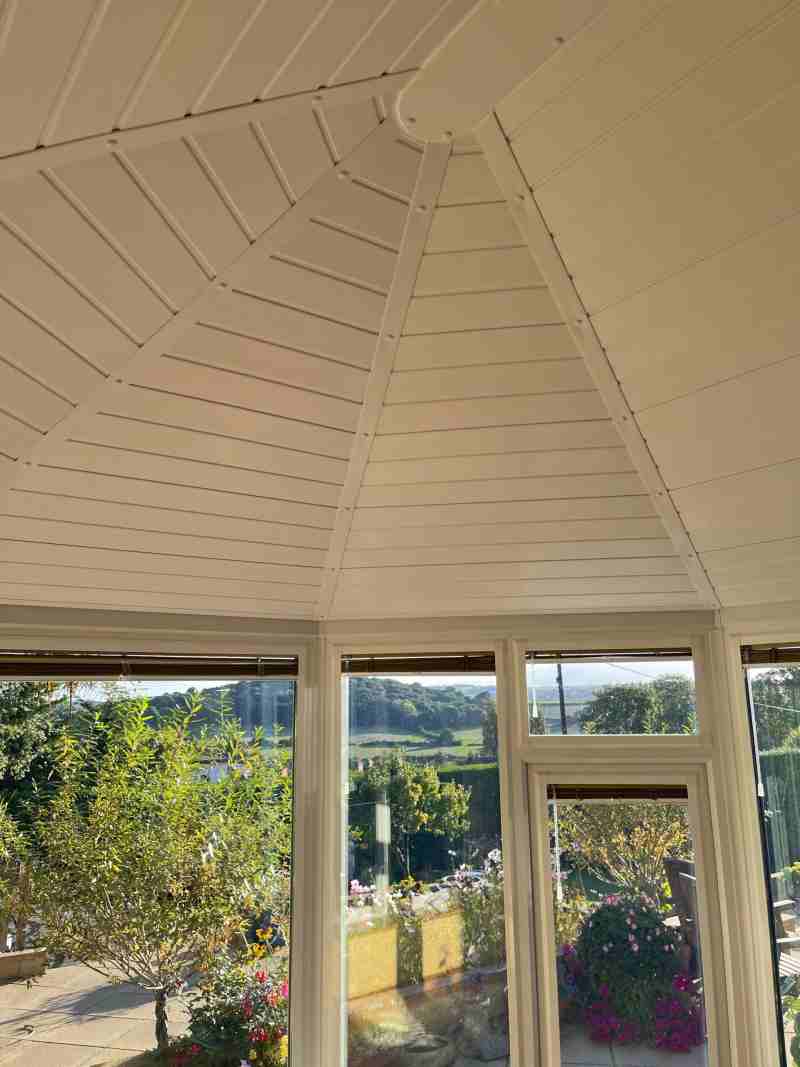
If your conservatory feels like the warmest room in August and the coldest in January, you’re not alone. Across the Southwest of England, homeowners are turning to Conservatory insulation as a practical way to reduce energy bills and improve overall home efficiency.
I’ve worked with clients from Bristol to Truro who loved their conservatories in theory — but avoided them for most of the year. The problem wasn’t the design. It was heat loss, poor thermal performance, and rising energy costs. Once insulation was upgraded, the difference wasn’t subtle. It was immediate.
Let’s explore why this improvement makes financial and environmental sense in 2026.
The Real Cost of an Uninsulated Conservatory
Conservatories built 10–20 years ago typically feature polycarbonate roofs or early double glazing. While affordable at the time, these materials offer limited insulation.
According to the Energy Saving Trust, heating accounts for over 50% of the average UK household’s energy use. A poorly insulated conservatory increases that demand significantly, especially during the damp and windy winters common in Devon and Cornwall.
Warm air rises. Without proper roof insulation, it escapes quickly. Your boiler then works harder to maintain a comfortable temperature — not just in the conservatory, but in adjoining rooms too.
The result? Higher gas or electricity bills and inconsistent comfort.
How Conservatory Insulation Improves Energy Efficiency
1. Reducing Heat Loss Through the Roof
The roof is the biggest source of thermal loss in most conservatories.
Modern Conservatory insulation systems use multi-layered construction, including rigid insulation boards and breathable membranes. These materials slow down heat transfer, helping to retain warmth in winter and limit overheating in summer.
In practical terms, that means:
- Less reliance on central heating
- Reduced strain on your boiler
- More stable indoor temperatures
Several homeowners I’ve worked with in Exeter reported noticeable reductions in heating use during winter after upgrading to a solid insulated roof system.
2. Improving Thermal Performance (U-Values Matter)
Energy efficiency is measured in part by U-values — the lower the number, the better the insulation.
Older polycarbonate roofs can have U-values above 1.5 W/m²K. Modern insulated systems can achieve significantly lower ratings, improving thermal retention dramatically.
When heat loss decreases, your energy system operates more efficiently. That’s not marketing — it’s basic building physics.
3. Supporting Whole-Home Efficiency
Many homeowners don’t realise that a conservatory affects adjacent rooms.
If your conservatory is freezing, heat from your kitchen or living room migrates toward it. Insulating the conservatory reduces that thermal imbalance.
This creates a more consistent indoor climate and prevents energy waste across the entire property.
Practical Steps to Maximise Energy Savings
Conduct a Professional Assessment
Before upgrading, have your conservatory surveyed. Structural suitability and frame condition must be checked, especially in older Southwest properties exposed to coastal weather.
Upgrade to a Solid Insulated Roof
Lightweight tiled systems are currently the most effective solution for long-term efficiency. They offer strong thermal performance and reduce rain noise — an added benefit during heavy Somerset downpours.
Combine with Energy-Efficient Glazing
If your glazing is outdated, consider upgrading to modern double or triple glazing. Roof insulation works best when paired with improved windows.
Improve Ventilation
Good insulation must be balanced with airflow. Trickle vents or mechanical ventilation systems prevent condensation and damp build-up.
Real-World Example from the Southwest
A homeowner in Plymouth recently converted their underused conservatory into a home office. Before insulation, winter temperatures inside the space were several degrees lower than the rest of the house.
After installing a solid insulated roof and upgrading glazing, heating demand reduced noticeably. The room became comfortable year-round without the need for portable heaters.
Their feedback was simple:
“We should have done this years ago.”
Common Mistakes to Avoid
Choosing the cheapest quote
Low-cost solutions often involve thin internal panels that provide minimal thermal improvement.
Ignoring building regulations
Roof replacements may require compliance with UK building standards. Always confirm certification is included.
DIY installation
Conservatory roofs are structural elements. Incorrect installation risks leaks, sagging, or poor performance.
Overlooking lighting changes
Switching from a translucent roof to a solid one requires thoughtful lighting design to maintain brightness.
Expert Tips for Long-Term Efficiency
- Ask installers for documented thermal performance data.
- Ensure insulation materials are moisture-resistant — especially important in coastal climates.
- Consider underfloor heating if converting the space into a living area.
- Plan the upgrade during milder months to avoid weather delays.
From experience, homeowners who approach insulation as part of a broader energy-efficiency plan see the greatest return.
Environmental Benefits Beyond Cost Savings
Reducing energy consumption doesn’t just cut bills — it lowers carbon emissions.
With the UK continuing efforts to improve housing efficiency and reduce environmental impact, upgrading conservatory insulation aligns with national sustainability goals.
Less wasted heat means less fuel burned. For many homeowners, that’s an added incentive.
Is Conservatory Insulation Worth It?
For properties across the Southwest of England, the answer is overwhelmingly yes.
Conservatory insulation reduces heat loss, lowers energy bills, improves indoor comfort, and increases overall home efficiency. It transforms an unpredictable space into one that works in every season.
If you’re watching your heating costs climb and your conservatory sits unused for months, it may be time to consider a professional upgrade.
Take the Next Step
Arrange a survey with a trusted local installer, review your insulation options, and compare thermal performance data carefully.
A well-insulated conservatory doesn’t just feel better — it performs better. And in 2026, efficiency matters more than ever.
Source:
Click for the: Full Story
You might like







You Might Like this