



 Close Menu
 World
World
 Biography
 Health
 Education
 Business
 Lifestyle
 Sports
 Technology
 Animals
 History
 Food
Food
 Religious
 Startups
 Movies
 Politics
 Fashion
 Covid
Covid
 Diet
Diet
 Fitness
 Marketing
 Travel
 Science
 Reviews
 Social media
 Stories
 Facts
Facts
 Art
Art
 Entertainment
Isa Bella

Health
How Deep Dental Cleaning Helps Treat Gum Disease
 Isa Bella
Gum disease is one of the most common dental problems. Many people do not notice it in the beginning because the symptoms can seem small. A little bleeding while brushing or mild gum swelling may not look serious. However, if gum disease is left untreated, it can damage the gums and the bone that supports your teeth.
One treatment often recommended by dentists is deep dental cleaning. This procedure helps remove harmful bacteria and buildup below the gumline. It can stop gum disease from getting worse and help improve oral health. If you live in Cypress and have noticed signs of gum problems, learning about this treatment can help you make informed decisions about your dental care.
Understanding Gum Disease
What Is Gum Disease?
Gum disease is an infection that affects the tissues around your teeth. It starts when plaque builds up on the teeth and gums. Plaque is a sticky layer of bacteria that forms every day.
When plaque is not removed properly, it can irritate the gums. Over time, this irritation can lead to infection and inflammation.
Early and Advanced Stages of Gum Disease
The first stage of gum disease is called gingivitis. At this stage, the gums may become red, swollen, and bleed during brushing or flossing.
If gingivitis is not treated, it can develop into periodontitis. This is a more serious condition that can damage the bone supporting the teeth. In severe cases, teeth may become loose or even fall out.
Early treatment is important because it can help prevent long-term damage.
Common Signs of Gum Disease
Bleeding Gums
Healthy gums should not bleed when you brush or floss. Frequent bleeding is often one of the first warning signs.
Red or Swollen Gums
Inflamed gums may appear darker than normal and feel tender to the touch.
Persistent Bad Breath
Bacteria trapped under the gums can create unpleasant odors that brushing alone cannot remove.
Gum Recession
As gum disease progresses, the gums may pull away from the teeth, making them look longer.
Loose Teeth in Advanced Cases
Advanced gum disease can weaken the support around the teeth, causing movement or looseness.
Why Regular Brushing Is Not Always Enough
Brushing and flossing are important parts of daily oral care. However, they cannot always remove all plaque and tartar.
When plaque stays on the teeth for too long, it hardens into tartar. Once tartar forms, it cannot be removed with a toothbrush at home.
Bacteria can also accumulate below the gumline, where regular brushing and flossing cannot effectively reach. Over time, this buildup can lead to gum inflammation and other oral health concerns, making professional care essential. Patients seeking dental cleaning in Cypress often discover that removing plaque and tartar from these deeper areas requires specialized treatment to restore and maintain healthy gums.
What Is Deep Dental Cleaning?
Understanding Scaling and Root Planing
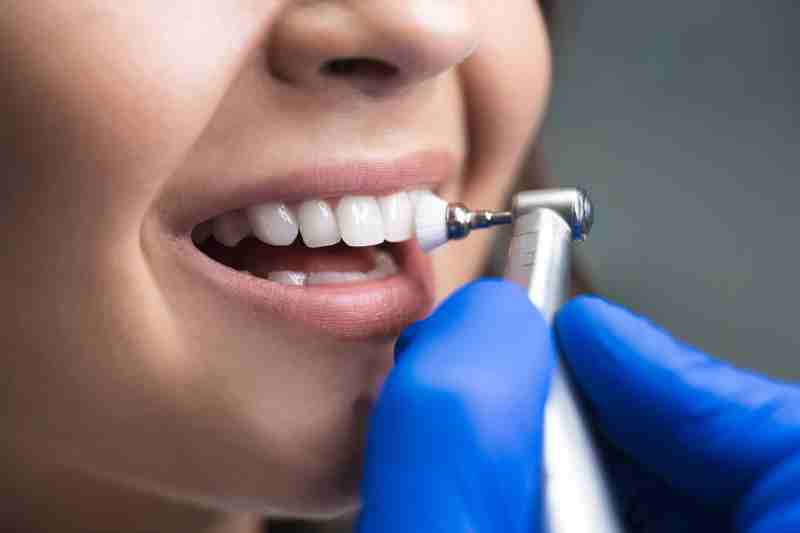
Deep dental cleaning is a treatment designed to remove bacteria and tartar from below the gumline.
The procedure usually includes two main steps.
Scaling removes plaque and tartar from the tooth surface and below the gums.
Root planing smooths the tooth roots. This makes it harder for bacteria to attach and helps the gums heal properly.
How Deep Cleaning Differs From Regular Cleaning
Regular Dental Cleaning
Deep Dental Cleaning
Cleans above the gumline
Cleans below the gumline
Preventive care
Treatment for gum disease
Removes light buildup
Removes deep tartar and bacteria
Usually one visit
May require multiple visits
Deep Teeth Cleaning in Cypress is often recommended when signs of gum disease are present and a regular cleaning is not enough.
How Deep Dental Cleaning Helps Treat Gum Disease
Removes Harmful Bacteria
The main goal of deep cleaning is to remove bacteria hiding beneath the gums. These bacteria are often responsible for inflammation and infection.
Reduces Gum Inflammation
When bacteria and tartar are removed, the gums can begin to heal. Swelling and redness often improve over time.
Stops Disease Progression
Without treatment, gum disease can continue damaging the gums and bone. Deep cleaning helps stop this process before it becomes more severe.
Helps Gums Reattach to Teeth
After treatment, healthier gums can fit more closely around the teeth. This helps improve support and protection.
Lowers the Risk of Tooth Loss
By controlling infection early, deep cleaning can help reduce the chance of losing teeth due to advanced gum disease.
Many patients in Cypress choose treatment as soon as symptoms appear because early care often leads to better results.
What Happens During a Deep Cleaning Appointment
Initial Examination
The dentist begins by examining your gums and measuring the depth of gum pockets around your teeth.
Dental X-Rays if Needed
X-rays may be taken to check for bone loss and evaluate the condition of supporting structures.
Scaling Procedure
Special instruments are used to remove plaque and tartar from the teeth and below the gumline.
Root Planing Procedure
The root surfaces are carefully smoothed to support healing and reduce bacterial buildup.
Aftercare Instructions
Your dentist will explain how to care for your gums after treatment and may recommend specific oral hygiene practices.
Benefits of Deep Dental Cleaning
Healthier Gums
Removing bacteria helps create a healthier environment for your gums.
Fresher Breath
Bad breath caused by gum infection often improves after treatment.
Less Bleeding During Brushing
As inflammation decreases, bleeding during brushing and flossing often becomes less common.
Improved Overall Oral Health
Healthy gums provide a stronger foundation for healthy teeth.
Better Long-Term Tooth Support
Treating gum disease early helps protect the bone and tissues that hold teeth in place.
Deep dental cleaning cypress treatments are commonly recommended because they address the root cause of gum disease instead of only treating symptoms.
Recovery After Deep Dental Cleaning
What Patients Can Expect
After treatment, some patients experience mild sensitivity or tenderness. This is usually temporary.
You may also notice slight discomfort while eating certain foods for a few days.
Some people experience tooth pain after cleaning, especially if there was significant tartar buildup. In most cases, this improves as the gums heal.
Tips for a Smooth Recovery
- Brush gently but thoroughly.
- Continue flossing as directed.
- Drink plenty of water.
- Avoid very hard foods if your teeth feel sensitive.
- Attend follow-up appointments if recommended.
Most patients recover quickly and return to normal activities soon after treatment.
Can Deep Cleaning Prevent Future Gum Problems?
Importance of Daily Oral Care
Good brushing and flossing habits help prevent plaque from building up again.
Regular Dental Checkups
Routine dental visits allow problems to be detected early before they become serious.
Professional Maintenance Cleanings
Some patients need more frequent cleanings to maintain healthy gums.
Lifestyle Habits That Support Healthy Gums
Healthy habits can make a big difference.
- Eat a balanced diet.
- Avoid tobacco products.
- Stay hydrated.
- Manage health conditions that may affect gum health.
For many people in Cypress, combining good home care with professional dental visits helps keep gum disease under control.
When Should You See a Dentist for Gum Disease?
Warning Signs That Need Professional Attention
Do not ignore symptoms such as:
- Bleeding gums
- Swelling
- Receding gums
- Persistent bad breath
- Loose teeth
- Gum tenderness
These signs may indicate gum disease that requires professional treatment.
Early treatment is often simpler and more effective than waiting until the condition becomes severe.
Final Thoughts
Gum disease can affect more than just your gums. If left untreated, it can damage the structures that support your teeth and increase the risk of tooth loss. Deep dental cleaning is an effective treatment that removes harmful bacteria and helps gums heal.
Whether you are noticing bleeding gums, bad breath, or signs of infection, seeking professional care can make a big difference. Patients in Cypress who receive treatment early often enjoy healthier gums and better long-term oral health. A professional evaluation can determine whether deep cleaning is the right solution for your needs.
Related FAQs
How can I tell if gums need deep cleaning?
If your gums bleed often, feel swollen, or pull away from your teeth, a dentist may recommend deep cleaning. An examination can determine whether gum disease is present and how advanced it has become.
Is sensitivity normal after deep dental cleaning treatment?
Yes. Mild sensitivity is common after treatment because tartar has been removed and the gums are healing. Most discomfort improves within a few days with proper oral care and following your dentist's instructions.
How often should deep dental cleaning be performed?
The frequency depends on your gum health and treatment needs. Some patients only need it once, while others may require ongoing maintenance visits to keep gum disease under control.
Source:
Click for the: Full Story
You might like





You Might Like this