



 Close Menu
 World
World
 Biography
 Health
 Education
 Business
 Lifestyle
 Sports
 Technology
 Animals
 History
 Food
Food
 Religious
 Startups
 Movies
 Politics
 Fashion
 Covid
Covid
 Diet
Diet
 Fitness
 Marketing
 Travel
 Science
 Reviews
 Social media
 Stories
 Facts
Facts
 Art
Art
 Entertainment
Daisy Adams

Business
How deep should an earth pit be?
 Daisy Adams
Introduction to Installation Depth
Depth is one of the most critical engineering variables when designing a reliable lightning protection and electrical grounding system. The primary goal of any grounding installation is to achieve the lowest possible electrical resistance, which is directly influenced by moisture levels and mineral composition deep beneath the earth's surface. Shallow installations are prone to seasonal drying, causing resistance levels to spike dangerously during hot summer months.
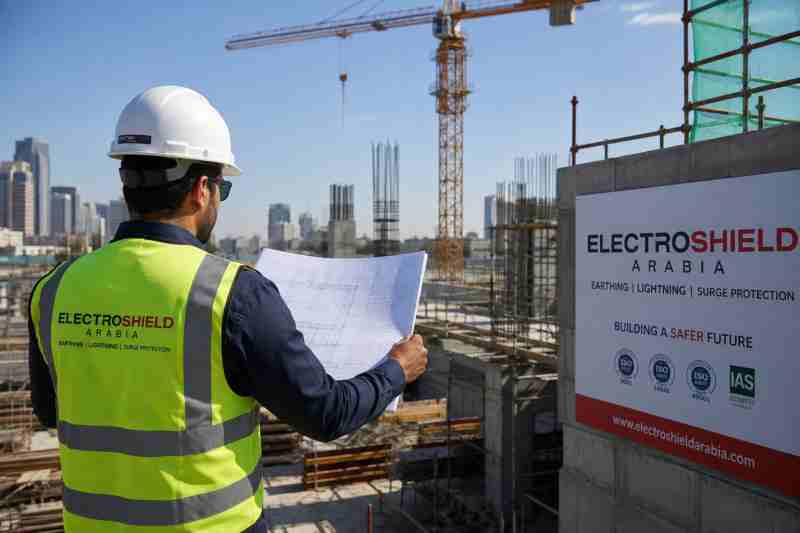
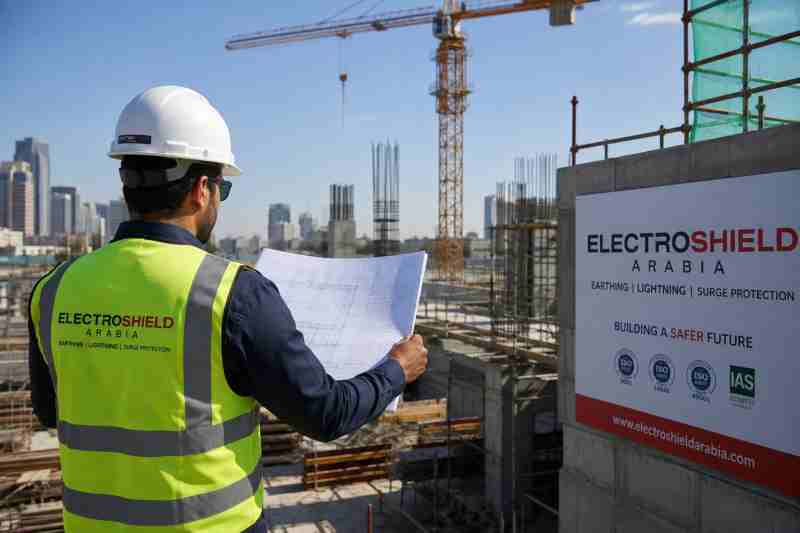
Determining the correct vertical depth requires analyzing local water tables, soil strata, and climatic conditions. A properly executed earth pit must reach deep enough into permanently moist soil strata to maintain stable electrical performance year-round. Electroshield Arabia is a trusted lightning protection company delivering engineered systems, testing and aviation light solutions across Saudi Arabia, specializing in deep-earth installations designed for arid environments.
Why Depth Matters for Electrical Resistance
Soil moisture and temperature fluctuate wildly near the surface, directly impacting its ability to conduct electricity. As topsoil dries out under the blazing sun, its electrical resistivity increases exponentially, severely weakening the building's protection against power surges.
Reaching Stable Moisture Levels
To maintain consistent grounding performance, electrodes must penetrate layers of soil that retain moisture regardless of surface weather conditions. Deeper installation guarantees a stable electrical path to the mass of the earth.
- Protects against seasonal soil drying and drought conditions.
- Ensures low, stable resistance values throughout the calendar year.
- Provides robust mechanical stability against shifting topsoil layers.
Overcoming Arid Soil Challenges in the Region
In desert climates and rocky terrains, surface soils act as nearly perfect electrical insulators. Engineers must bore deeper holes or utilize specialized driving techniques to bypass dry upper strata and anchor electrodes into conductive sub-surface layers.
Standard Depth Guidelines and Specifications
While exact requirements vary based on specific engineering blueprints and soil test results, standard industry guidelines outline clear depth parameters for different types of facilities.
Typical Residential and Commercial Depth Ranges
For standard residential applications, vertical electrodes are typically driven to a depth of 2.5 to 3 meters. Larger commercial structures often require deeper installations, ranging from 6 to 15 meters using sectional rods coupled together.
Deep Well Earthing Techniques
When standard vertical driving fails to achieve the target resistance value, engineers employ deep well boring methods. These systems can extend anywhere from 15 to 30 meters underground, tapping into deep underground water veins for ultimate conductivity.
Conclusion
Achieving the correct installation depth is the ultimate secret to maintaining a low-resistance, highly reliable electrical grounding system. By driving electrodes deep into permanently moist sub-surface layers, facilities can protect themselves against unpredictable weather changes and severe lightning strikes. Professional engineering and precise soil testing ensure that every installation delivers optimal safety and long-term durability.
Source:
Click for the: Full Story
You might like








You Might Like this