Close Menu
 World
 Biography
 Health
 Education
 Business
 Lifestyle
 Sports
 Technology
 Animals
 History
 Food
 Religious
 Startups
 Movies
 Politics
 Fashion
 Covid
 Diet
 Fitness
 Marketing
 Travel
 Science
 Reviews
 Social media
 Stories
 Facts
 Art
 Entertainment
Csamma

Sports
How Do Brazilian Jiu-Jitsu, Muay Thai and Judo Differ in Their Training Methods?
 Csamma
Walk into three different gyms and you will hear three different sounds. In a Jiu-Jitsu room, it is quiet scrambling and the slap of a tap-out. In a Muay Thai gym, it is the thud of shins on pads. In a Judo dojo, it is the thump of a throw on the mat. All three are respected combat sports, but they train very differently. If you are new to the idea of different types of martial arts, comparing BJJ vs Muay Thai vs Judo is the quickest way to see what suits you. At CSAMMA, we teach all three, so here is how they compare.
Differences Between Brazilian Jiu-Jitsu, Muay Thai and Judo
The simplest split is grappling vs striking martial arts. Jiu-Jitsu and Judo are grappling arts, built on controlling an opponent's body. Muay Thai is a striking art, built on punches, kicks, elbows and knees. Anyone looking for martial arts training in Rocklin will find that most good gyms mix these ideas, because real self-defence martial arts rarely stay in one range. Knowing what each art adds helps you pick a starting point.
How Each Art Trains
Here are the core training methods for each style.
Brazilian Jiu-Jitsu training methods:
- Ground control: Learning positions, escapes and submissions
- Drilling: Repeating techniques until they become automatic
- Live rolling: Controlled sparring against a resisting partner
Muay Thai training techniques:
- Pad work and bag work: Building power, timing and accuracy
- Striking combinations: Punches, kicks, elbows and knees
- Clinch work: Controlling and striking at close range
Judo training methods:
- Throws and takedowns: Using balance and leverage to put a partner on the ground
- Breakfalls: Learning to land safely
- Randori: Live practice with a partner who resists
Each one builds martial arts techniques and skills in its own way: Jiu-Jitsu builds patience and problem-solving, Muay Thai builds power and rhythm, and Judo builds balance and explosive control.
Which One Is Right for You?
The best choice depends on your goals. Think about what you want from training:
- Martial arts for beginners: Any of the three can work, as long as classes are well coached and safety-first
- Martial arts fitness training: Muay Thai tends to be cardio-heavy, while Jiu-Jitsu and Judo build strength and flexibility
- Self-defence: Blending striking and grappling gives you answers at every range
- Combat sports training: Competition-minded students often cross-train
The benefits of martial arts training go well beyond the mat. Students often gain fitness, focus, confidence and self-control.
How CSAMMA Brings It Together
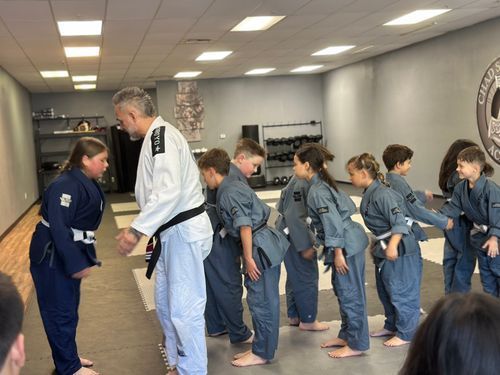
CSAMMA teaches Brazilian Jiu-Jitsu, Muay Thai, Judo, Wrestling and MMA, so students can experience the full picture rather than choosing one. We offer programs for every age: Samurai for ages 5–6, Warriors for ages 7–11, Teen for ages 12–15 and Adults for ages 16 and up, including classes for beginners and experienced athletes. Safety comes first, with supportive coaches supervising techniques.
New students can book a trial week with unlimited classes. For families and adults searching for Rocklin martial arts training that covers striking, grappling and everything in between, it is a simple way to see which art clicks.
Conclusion
Jiu-Jitsu, Muay Thai and Judo each offer something different, from ground control to powerful strikes to clean throws. The best way to choose is to try them. At CSAMMA, you can train all three in a safe, supportive setting and build skills, fitness and confidence that last well beyond the mat.
Source:
Click for the: Full Story
You might like