



 Close Menu
 World
World
 Biography
 Health
 Education
 Business
 Lifestyle
 Sports
 Technology
 Animals
 History
 Food
Food
 Religious
 Startups
 Movies
 Politics
 Fashion
 Covid
Covid
 Diet
Diet
 Fitness
 Marketing
 Travel
 Science
 Reviews
 Social media
 Stories
 Facts
Facts
 Art
Art
 Entertainment
Bruce Wayne

Education
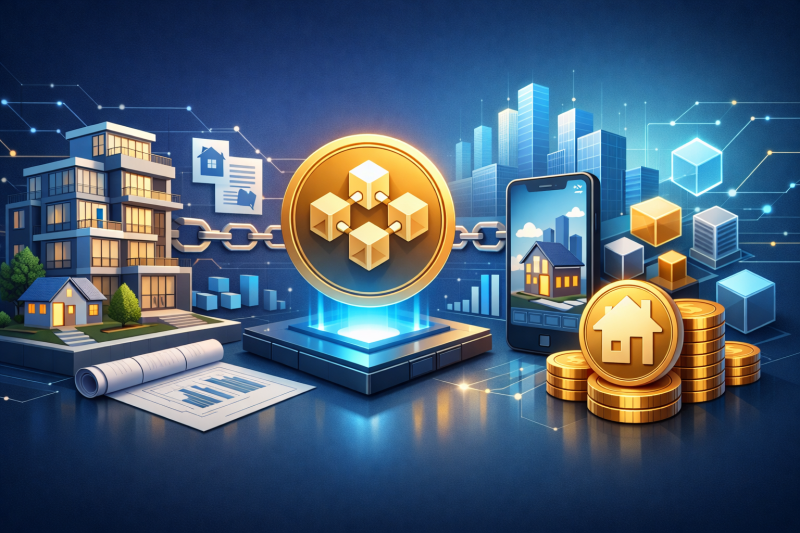
How Real Estate Tokenization Works: Converting Property into Blockchain-Based Assets
 Bruce Wayne
Property investment has traditionally required large capital, long paperwork cycles, and limited liquidity. Real estate markets have often been dominated by institutional investors or wealthy individuals who can purchase entire properties or large shares. Over the last few years, blockchain technology has opened a new approach for representing ownership of real estate assets digitally. This process is known as Real Estate Tokenization.
Real Estate Tokenization refers to the process of converting ownership rights of physical property into digital tokens stored on a blockchain network. Each token represents a portion of the asset, allowing investors to buy smaller fractions rather than purchasing an entire property. Through this structure, property ownership becomes divisible and easier to distribute among multiple participants.
The concept is attracting attention from property developers, asset managers, and investors who want broader access to property markets. A Real Estate Tokenization Platform makes it possible to issue, distribute, and manage digital property shares while maintaining records of ownership on blockchain systems.
This article explains how Real Estate Tokenization works, the process of converting property into blockchain-based assets, and the role played by technology providers offering real estate tokenization development and Real Estate Tokenization Services.
Understanding the Concept of Real Estate Tokenization
Real Estate Tokenization is the digital representation of property ownership using blockchain-based tokens. These tokens act as units that represent a share of an underlying real estate asset.
Instead of selling a property to a single buyer or a small group of investors, a property owner can divide ownership into thousands of digital tokens. Investors purchase these tokens and gain rights associated with the property, such as rental income or value appreciation.
Blockchain systems record each transaction and ownership change. This digital ledger maintains records of token transfers and investor holdings. Because of this structure, token holders can buy or sell their shares more easily compared with traditional real estate transactions.
A Real Estate Tokenization Platform manages the issuance of tokens, investor participation, and asset records. These platforms connect property owners, investors, and regulatory frameworks in a digital environment.
Real Estate Tokenization Development Services usually focus on building the technology infrastructure required for token issuance, smart contract execution, investor onboarding, and digital asset management.
Why Property Owners Are Turning to Tokenization
Real estate owners often face challenges when raising capital or selling portions of property holdings. Conventional property investment requires long sales cycles and large minimum investment requirements.
Tokenization introduces a structure where ownership can be divided into smaller units. Property owners can raise capital from a wider group of investors without selling the entire asset.
Another aspect involves liquidity. Traditional property transactions may take months to complete. With digital tokens representing ownership shares, transfers between investors can occur on digital platforms where permitted.
Real Estate Tokenization also allows global participation. Investors from different regions may participate in tokenized property offerings depending on regulatory guidelines.
Many organizations therefore work with a Real Estate Tokenization Development company to create digital property investment systems that connect investors and property assets.
The Role of Blockchain in Real Estate Tokenization
Blockchain technology acts as the infrastructure that records ownership and transactions related to tokenized property assets.
A blockchain is a distributed digital ledger that records transactions in chronological blocks. Each block contains transaction data and links to previous blocks, forming a chain of records.
In a Real Estate Tokenization Platform, blockchain networks store information such as token ownership, transfer history, and investor holdings. These records are shared across nodes of the network rather than held by a single centralized system.
Smart contracts also play an important role. Smart contracts are pieces of code stored on the blockchain that automatically execute specific rules. For example, they can distribute rental income to token holders or process token transfers between investors.
Real estate tokenization development focuses on integrating smart contracts with property management systems and investor dashboards so that property ownership data remains accurate and accessible.
Step-by-Step Process of Real Estate Tokenization
Converting a property into blockchain-based assets involves several stages. These stages combine legal preparation, asset digitization, and blockchain deployment.
Property Selection and Asset Evaluation
The first step involves selecting the property that will be tokenized. Property developers, investment firms, or property owners identify assets suitable for fractional ownership.
During this phase, the asset undergoes valuation and due diligence. Legal ownership documents, property title verification, and financial projections are reviewed. Rental income potential and market value are also examined.
The property details will later be used to determine how many tokens will represent the asset and how ownership shares will be distributed.
A Real Estate Tokenization company typically works with legal advisors and property analysts during this stage to prepare the asset for tokenization.
Legal Structuring of the Property Asset
Legal structuring is a crucial stage before issuing tokens.
Instead of directly linking tokens to a property title, many tokenization projects create a legal entity such as a Special Purpose Vehicle (SPV). The property is transferred to this entity. Tokens represent ownership shares of the entity rather than the physical property itself.
This structure helps manage regulatory compliance and investor rights. Investors holding tokens indirectly hold shares in the entity that owns the property.
Legal agreements define investor rights, profit distribution rules, and governance procedures.
Real Estate Tokenization Services often include legal consultation and compliance frameworks to support this stage.
Asset Digitization and Token Creation
After legal preparation, the asset moves into the digitization stage.
In this stage, digital tokens representing shares of the property are created on a blockchain network. Each token corresponds to a portion of the asset's value.
For example, a commercial property worth $10 million could be divided into one million tokens. Each token would represent a small fraction of the property's value.
Smart contracts define the rules for token distribution, ownership rights, and transaction processes. These contracts operate automatically once deployed on the blockchain.
Real estate tokenization development teams design the smart contracts, token standards, and blockchain integration required for token issuance.
Development of the Tokenization Platform
A Real Estate Tokenization Platform serves as the digital interface where investors interact with tokenized property assets.
The platform generally includes features such as:
- Investor registration and verification
- Digital wallets for token storage
- Asset listings and property information
- Token purchase mechanisms
- Ownership tracking dashboards
These platforms also integrate compliance procedures such as identity verification and investor eligibility checks.
A Real Estate Tokenization Development company develops the technical infrastructure required for managing token issuance, investor onboarding, and asset tracking.
Real Estate Tokenization Platform Development also includes backend systems that connect blockchain networks with traditional databases and property management tools.
Investor Onboarding and Token Distribution
Once the tokens are created and the platform is ready, investors can begin purchasing tokenized property shares.
Investors usually create accounts on the Real Estate Tokenization Platform and complete identity verification procedures. After approval, they can review available property offerings and purchase tokens.
Payments may occur through fiat currency, digital assets, or integrated payment gateways depending on the platform structure.
When an investor purchases tokens, the blockchain records the transaction and assigns the tokens to the investor's digital wallet.
Ownership records become permanently stored on the blockchain network.
Income Distribution and Asset Management
Token holders typically receive benefits associated with property ownership. These benefits may include rental income distributions or profit from property appreciation.
Smart contracts may handle income distribution automatically. When rental income is received, it can be distributed to token holders based on the number of tokens they own.
Asset managers continue to manage the physical property, including tenant management, maintenance, and operational decisions.
Investors monitor their holdings through dashboards provided by the Real Estate Tokenization Platform.
Real Estate Tokenization Services may include property management integrations and automated distribution systems.
Secondary Market Trading
After tokens are issued, investors may want to sell their shares. Secondary markets allow token holders to trade their tokens with other investors.
These trading platforms function similarly to digital asset exchanges. Investors can list their tokens for sale and transfer ownership to buyers.
The blockchain records each transfer, updating ownership records automatically.
Secondary trading activity increases the liquidity of property investments compared with traditional real estate markets where selling a property can take months.
Real estate tokenization development often includes marketplace modules where token trading occurs within regulatory frameworks.
Technology Components Behind Real Estate Tokenization
Real Estate Tokenization Platforms rely on several technological components that work together to manage digital property ownership.
Blockchain Networks
Blockchain networks store token ownership records and transaction histories. Popular networks used for tokenization include Ethereum and other programmable blockchain ecosystems.
These networks support smart contracts that manage token creation and asset management logic.
Smart Contracts
Smart contracts contain rules governing token operations.
They manage processes such as token issuance, ownership transfers, and revenue distribution. Because these contracts operate automatically once deployed, they remove the need for manual execution of many processes.
Smart contracts also store information about token supply and investor rights.
Digital Wallet Infrastructure
Digital wallets store the tokens owned by investors. These wallets can be integrated directly into the Real Estate Tokenization Platform.
Investors use wallets to hold tokens, receive income distributions, and transfer ownership.
Wallet security and authentication procedures are important aspects of platform development.
Compliance and Identity Verification Systems
Property investment often involves regulatory requirements. Platforms must verify investor identities and comply with financial regulations.
Identity verification tools and investor accreditation checks are therefore integrated into tokenization platforms.
Real Estate Tokenization Development Services often include compliance modules for regulatory alignment.
Benefits of Real Estate Tokenization for Investors
Real Estate Tokenization provides several advantages compared with traditional property investment models.
Fractional ownership allows investors to participate in property markets with smaller capital commitments. Investors can buy limited numbers of tokens rather than purchasing entire properties.
Liquidity also improves when tokens can be traded in digital markets. Investors may enter or exit investments more easily than traditional property transactions.
Portfolio diversification becomes easier as investors can distribute funds across multiple tokenized properties.
Digital ownership records also simplify transaction tracking and asset management through blockchain ledgers.
Benefits for Property Developers and Asset Owners
Property developers can raise capital from a wider investor base through tokenization.
Instead of relying only on institutional investors, developers may attract smaller investors interested in property exposure.
Tokenization may also reduce capital raising timelines because digital platforms connect property owners directly with investors.
Developers maintain partial ownership while distributing shares through tokens.
Real Estate Tokenization company providers assist property developers with platform creation, token issuance, and investor onboarding procedures.
Challenges Associated With Real Estate Tokenization
Despite growing interest, Real Estate Tokenization still faces several challenges.
Regulatory frameworks vary between jurisdictions. Some countries have clear digital asset regulations, while others continue to define legal structures for tokenized securities.
Property valuation and legal documentation must also remain accurate and verifiable before token issuance.
Technology integration can present challenges as blockchain systems must connect with traditional property databases and financial systems.
Another concern involves investor education. Many investors remain unfamiliar with blockchain-based property investment models.
Real estate tokenization development therefore requires collaboration between legal experts, property analysts, and blockchain engineers.
The Role of Real Estate Tokenization Development Companies
A Real Estate Tokenization Development company supports businesses planning to convert physical property assets into digital tokens.
These companies typically provide services including:
- Real Estate Tokenization Platform Development
- Smart contract programming
- blockchain integration
- investor management systems
- compliance frameworks
- asset token issuance
Real Estate Tokenization Development Services also include platform maintenance and updates to maintain operational stability.
By working with experienced technology providers, property firms can launch tokenized investment platforms with structured workflows and secure transaction environments.
The Future Outlook of Real Estate Tokenization
Real estate tokenization is gradually gaining recognition as digital asset markets mature. Financial institutions, property investment firms, and technology companies are examining how blockchain-based property shares may fit within existing financial ecosystems.
Institutional investors are also observing developments in digital property ownership models. Tokenization may expand property investment access to new groups of investors while offering digital asset exposure linked to physical assets.
As regulations become clearer and technology adoption increases, Real Estate Tokenization Platforms may become more common in property investment markets.
Companies offering real estate tokenization development and Real Estate Tokenization Services are expected to play an important role in supporting this transition toward blockchain-based property ownership systems.
Conclusion
Real Estate Tokenization represents a new method for representing property ownership using blockchain-based digital tokens. Through tokenization, physical real estate assets can be divided into smaller investment units that investors can purchase and trade digitally.
The process involves asset evaluation, legal structuring, token creation, platform development, investor onboarding, and secondary market trading. Blockchain networks record ownership and transaction data, while smart contracts automate many operational processes.
Real Estate Tokenization Platforms serve as the interface connecting investors with tokenized property assets. These platforms rely on blockchain infrastructure, smart contracts, digital wallets, and compliance systems to manage digital property investments.
Businesses interested in launching tokenized property offerings often work with a Real Estate Tokenization Development company that provides Real Estate Tokenization Development Services and technical support for platform creation.
As digital asset markets continue to expand, real estate tokenization may introduce new opportunities for property investment by combining blockchain systems with traditional real estate assets.
Source:
Click for the: Full Story
You might like







You Might Like this