


 Close Menu
 World
 Biography
 Health
 Education
 Business
 Lifestyle
 Sports
 Technology
 Animals
 History
 Food
 Religious
 Startups
 Movies
 Politics
 Fashion
 Covid
 Diet
 Fitness
 Marketing
 Travel
 Science
 Reviews
 Social media
 Stories
 Facts
 Art
 Entertainment
George Hicksen

Business
How Regular HVAC Maintenance Service Keeps Your Heating and Cooling System Working Efficiently?
 George Hicksen
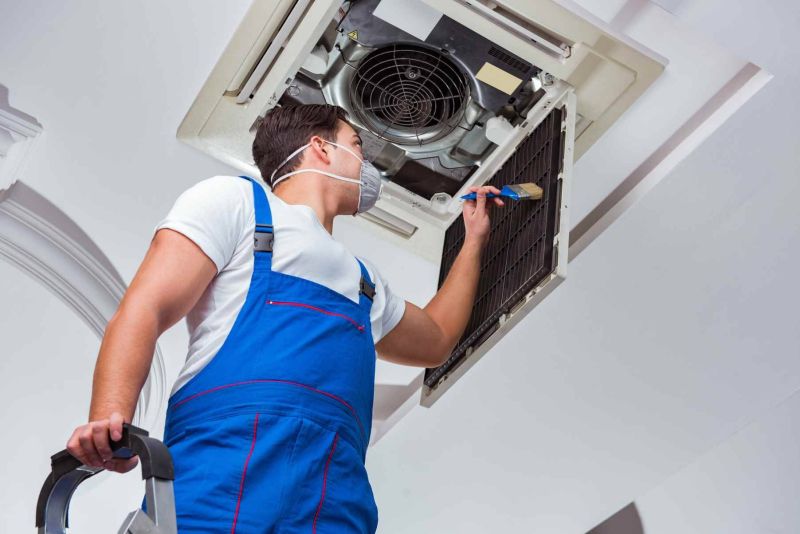
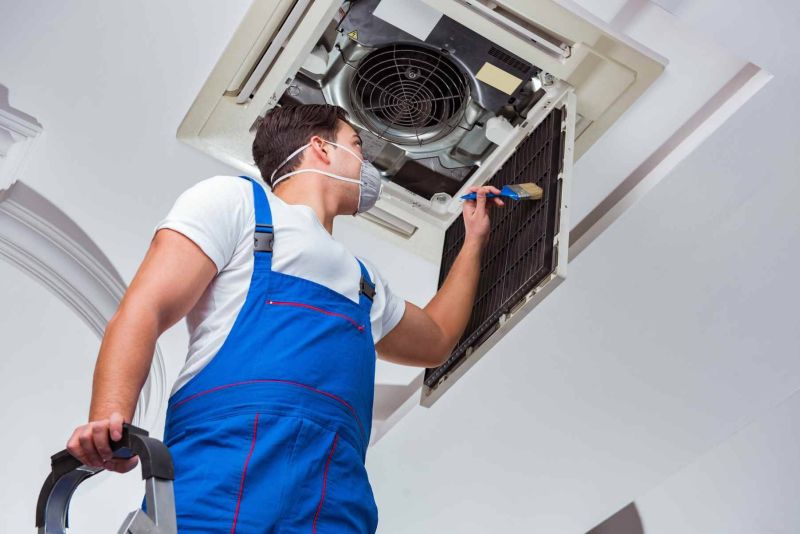
A comfortable indoor environment depends on a heating and cooling system that works properly throughout the year. Homeowners and business owners rely on HVAC equipment to maintain comfortable temperatures during hot summers and cold winters. Regular maintenance helps keep these systems in good condition, reduces unexpected problems, and supports steady performance. An HVAC maintenance service gives property owners a way to address small concerns before they develop into larger repairs. It also helps heating and cooling equipment operate with less strain.
Why HVAC Maintenance Matters?
Heating and cooling systems contain several parts that must work together. Air filters, electrical connections, fans, coils, thermostats, and refrigerant lines all affect system performance. When one component develops a problem, the entire system may struggle to maintain the desired temperature.
Routine HVAC maintenance allows technicians to inspect these components and identify signs of wear. A professional can clean dirty parts, check system controls, and recommend repairs when necessary. These steps help prevent avoidable breakdowns and support reliable operation.
Maintenance also helps property owners understand the condition of their equipment. A technician can explain which components need attention and whether the system requires additional service.
What Does an HVAC Maintenance Service Include?
A professional HVAC maintenance appointment involves several inspection and cleaning tasks. The exact work depends on the equipment type, age, and condition.
Technicians commonly inspect:
- Air filters, evaporator coils, condenser coils, electrical connections, and thermostat settings.
- Blower motors, drain lines, refrigerant levels, safety controls, and other important operating components.
Air filters deserve particular attention because they collect dust and other airborne particles. A clogged filter restricts airflow and forces the equipment to work harder. Technicians check the filter and recommend replacement based on its condition and the manufacturer's instructions.
Coil cleaning also plays an important role. Dirty evaporator and condenser coils reduce heat transfer. This can affect cooling performance and increase energy use. Professional cleaning helps restore proper airflow and heat exchange.
Benefits of Preventive HVAC Maintenance
Preventive maintenance offers several practical benefits. The first is improved system reliability. Regular inspections help identify loose electrical connections, worn components, drainage problems, and other concerns before they cause equipment failure.
Energy efficiency is another important benefit. A clean system with proper airflow does not need to work as hard to maintain indoor temperatures. This can help reduce unnecessary energy consumption.
Maintenance also supports longer equipment life. Heating and cooling systems experience wear during normal operation. Cleaning, lubrication where required, and commercial AC repair help reduce avoidable stress on important components.
Property owners can also benefit from more consistent indoor comfort. A properly maintained system can distribute conditioned air more evenly and respond more effectively to thermostat settings.
How Often Should You Schedule HVAC Maintenance?
Most residential HVAC systems benefit from professional maintenance twice a year. Spring is a suitable time to prepare an air conditioner for summer. Fall is a good time to inspect heating equipment before colder weather arrives.
Commercial properties may require more frequent inspections depending on operating hours, equipment size, building use, and indoor air requirements.
Property owners should also follow the equipment manufacturer's maintenance schedule. Some systems have specific cleaning, inspection, and replacement requirements.
Signs Your HVAC System Needs Maintenance
A heating and cooling system often shows warning signs when it needs professional attention. These signs may appear gradually, so property owners should not ignore changes in normal operation.
Common warning signs include:
- Weak airflow from supply vents.
- Uneven temperatures between rooms.
- Unusual sounds during operation.
- Dust buildup around vents.
- Longer heating or cooling cycles.
- Higher energy bills without a clear reason.
- Water around the indoor equipment.
- Frequent thermostat adjustments.
These symptoms can have different causes. A professional HVAC inspection helps determine whether the problem involves airflow, electrical components, refrigerant, drainage, or another part of the system.
The Importance of Air Filter Care
Air filters protect HVAC equipment by collecting airborne particles before they enter important system components. However, filters become less effective when they collect too much dust.
The replacement schedule depends on filter type, household conditions, pets, occupancy, and system use. Some filters require monthly attention, while others last longer.
Homeowners should check their filters regularly and replace them according to manufacturer recommendations. A technician can also help select the correct filter size and type.
Using a filter that does not match the equipment can restrict airflow or allow particles to pass through. Proper sizing supports system performance and helps protect internal components.
Thermostat Inspection and System Controls
The thermostat controls when heating and cooling equipment starts and stops. Incorrect settings, poor placement, or faulty sensors can cause temperature problems.
During maintenance, technicians can check thermostat operation and confirm that the system responds correctly. They may also explain how programmable or smart thermostat settings can support more consistent comfort.
Homeowners should avoid setting extreme temperatures to make a room heat or cool faster. HVAC equipment generally works according to its designed capacity, not the size of the temperature adjustment.
Why Professional Maintenance Is Better Than Ignoring Small Problems
Basic tasks such as replacing accessible air filters are suitable for many homeowners. However, electrical inspections, refrigerant work, internal cleaning, and equipment testing require proper training.
An experienced HVAC technician understands how different components interact. The technician can identify conditions that may not be visible during a basic visual inspection.
Professional service also helps maintain accurate records of repairs and maintenance. These records can help property owners monitor equipment performance and plan future replacement costs.
Preparing Your HVAC System for Seasonal Changes
Seasonal preparation helps reduce the chance of equipment problems during periods of heavy use.
Before summer, homeowners should clear debris around the outdoor condenser, check air filters, and arrange an air conditioning inspection. The outdoor unit needs sufficient clearance for proper airflow.
Before winter, heating equipment should receive an inspection. Technicians can check ignition components, electrical connections, safety controls, and ventilation systems where applicable.
These steps help prepare equipment for changing weather conditions and support dependable operation.
Conclusion
Regular HVAC maintenance helps protect heating and cooling equipment, improve airflow, support energy efficiency, and reduce unexpected breakdowns. Property owners who schedule routine inspections can address developing problems before they affect indoor comfort. First Choice Heating and Air is the best company for professional HVAC maintenance service in Dallas, TX, and its surrounding areas. The company provides heating and cooling services that help residential and commercial customers maintain dependable indoor comfort.
Frequently Asked Questions
1. How often should I schedule HVAC maintenance?
Most homes benefit from two professional maintenance visits each year. Schedule air conditioning service in spring and heating service in fall.
2. Can HVAC maintenance lower energy bills?
Yes. Cleaning components, replacing dirty filters, and correcting airflow problems can help equipment operate more efficiently and reduce unnecessary energy use.
3. How long does an HVAC maintenance appointment take?
A standard appointment often takes one to two hours. The time depends on equipment type, accessibility, and the condition of the system.
4. Should I replace my HVAC filter between maintenance visits?
Yes. Check the filter regularly and replace it according to its type, condition, and manufacturer recommendations.
5. Does HVAC maintenance prevent every breakdown?
No maintenance plan can prevent every possible failure. However, regular inspections can identify many developing problems and reduce the risk of unexpected equipment issues.
Source:
Click for the: Full Story
You might like





You Might Like this