Close Menu
 World
World
 Biography
 Health
 Education
 Business
 Lifestyle
 Sports
 Technology
 Animals
 History
 Food
Food
 Religious
 Startups
 Movies
 Politics
 Fashion
 Covid
Covid
 Diet
Diet
 Fitness
 Marketing
 Travel
 Science
 Reviews
 Social media
 Stories
 Facts
Facts
 Art
Art
 Entertainment
Wine Fit

Business
How Restaurants Use Wine Preservation Dispensers to Reduce Waste
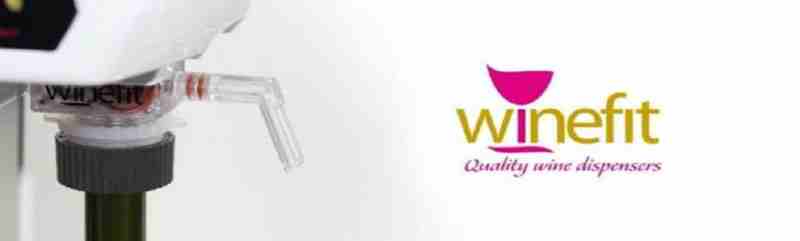 Wine Fit
A bottle of premium wine can lose freshness surprisingly fast once opened, especially during slower service hours when only a few glasses are ordered throughout the evening. Restaurants investing in the best wine dispenser systems often protect expensive wine inventory far more effectively while improving consistency, reducing spoilage, and creating a better experience for guests ordering wine by the glass.
Wine waste creates a serious financial problem inside restaurants, wine bars, hotels, and lounges serving premium selections. Oxidation begins almost immediately after opening a bottle, gradually affecting flavor, aroma, and overall quality. Without proper preservation systems, partially used bottles frequently end up discarded before service finishes.
Why Wine Oxidation Costs Restaurants Money
Restaurants carrying larger wine lists face constant pressure to maintain freshness while offering variety. Guests expect every glass to taste balanced and properly preserved regardless of when the bottle was opened.
Poor wine freshness solutions often lead to:
- Expensive wine bottles discarded too early
- Inconsistent flavor quality between servings
- Lower customer satisfaction during service
- Reduced profit margins on premium wine selections
Even smaller amounts of daily wine waste can accumulate into significant financial losses over time.
Wine Preservation Systems Extend Bottle Life
Modern preservation dispensers use controlled gas systems and temperature management to slow oxidation dramatically. These systems allow restaurants to serve wine across multiple days while maintaining freshness much more effectively.
Professional wine preservation systems typically help restaurants:
- Preserve opened bottles longer
- Reduce unnecessary wine disposal
- Maintain more consistent serving quality
- Expand by-the-glass wine offerings confidently
Restaurants can offer broader selections when they no longer worry about rapid spoilage after opening expensive bottles.
By-the-Glass Programs Become More Profitable
Guests increasingly prefer ordering premium wines by the glass instead of committing to full bottles during meals. Restaurants benefit from higher flexibility and stronger upselling opportunities when preservation systems support this service model properly.
Strong by-the-glass wine service programs allow restaurants to:
- Introduce premium wines more confidently
- Encourage wine pairings during dining
- Increase average customer spending naturally
- Reduce pressure to sell entire bottles quickly
Wine preservation technology helps restaurants create more adventurous wine menus without increasing unnecessary inventory losses.
Temperature Control Improves Wine Quality
Serving temperature affects wine flavor significantly. Red wines served too warm or white wines served inconsistently cold often lose much of their intended character.
Advanced temperature-controlled wine dispensers help maintain:
- Stable serving temperatures throughout service
- Better flavor consistency between pours
- Proper storage conditions after opening
- Improved customer satisfaction during dining experiences
Restaurants focusing on wine quality understand that preservation involves both oxidation control and temperature stability.
Automated Dispensing Improves Service Efficiency
Busy restaurants benefit when staff can pour wine accurately and consistently without constantly opening fresh bottles or estimating serving sizes manually.
Modern automated wine dispensing systems support:
- Faster guest service during busy periods
- More accurate portion control
- Reduced overpouring by staff members
- Better tracking of wine inventory usage
These systems also simplify staff training because serving consistency becomes easier to maintain across shifts.
Wine Inventory Management Becomes Easier
Wine inventory requires careful monitoring because spoilage, overpouring, and inconsistent storage quickly reduce profitability. Preservation systems provide restaurants with stronger operational control over expensive beverage inventory.
Reliable wine inventory management helps restaurants:
- Monitor bottle usage more accurately
- Reduce unnecessary purchasing waste
- Improve inventory forecasting decisions
- Maintain fresher wine selections consistently
Restaurants serving premium wines often depend heavily on preservation systems to protect profit margins across larger beverage programs.
Guests Notice Better Wine Service
Customers may not always understand the technical side of wine preservation, though they quickly recognize when wine tastes fresh and properly served. Better preservation directly improves guest experience.
Professional restaurant wine service creates stronger impressions through:
- Fresher aroma and flavor profiles
- Consistent wine quality during every visit
- Expanded premium wine availability
- More confidence when ordering by the glass
Restaurants using advanced preservation equipment often build stronger reputations among wine-focused diners.
Wine Preservation Technology Also Appeals to Home Collectors
Restaurant-quality wine preservation equipment has also influenced residential wine storage trends. Serious collectors and wine enthusiasts increasingly purchase systems inspired by commercial preservation technology for personal use.
A high-quality home wine dispenser machine allows wine lovers to preserve opened bottles longer while enjoying better temperature control, cleaner serving, and more consistent wine freshness throughout the week.
Conclusion
Wine preservation dispensers help restaurants reduce waste, improve profitability, and maintain higher service standards across premium wine programs. Proper preservation technology protects inventory while supporting better guest experiences and more flexible wine service options.
As restaurants continue expanding by-the-glass offerings, reliable preservation systems will remain an important part of efficient beverage management and long-term operational success.
Source:
Click for the: Full Story
You might like